Harvest Is Over: Is Your Trailer Done Working? 9 Off-Season Jobs for an Enbeck Trailer


READ MORE

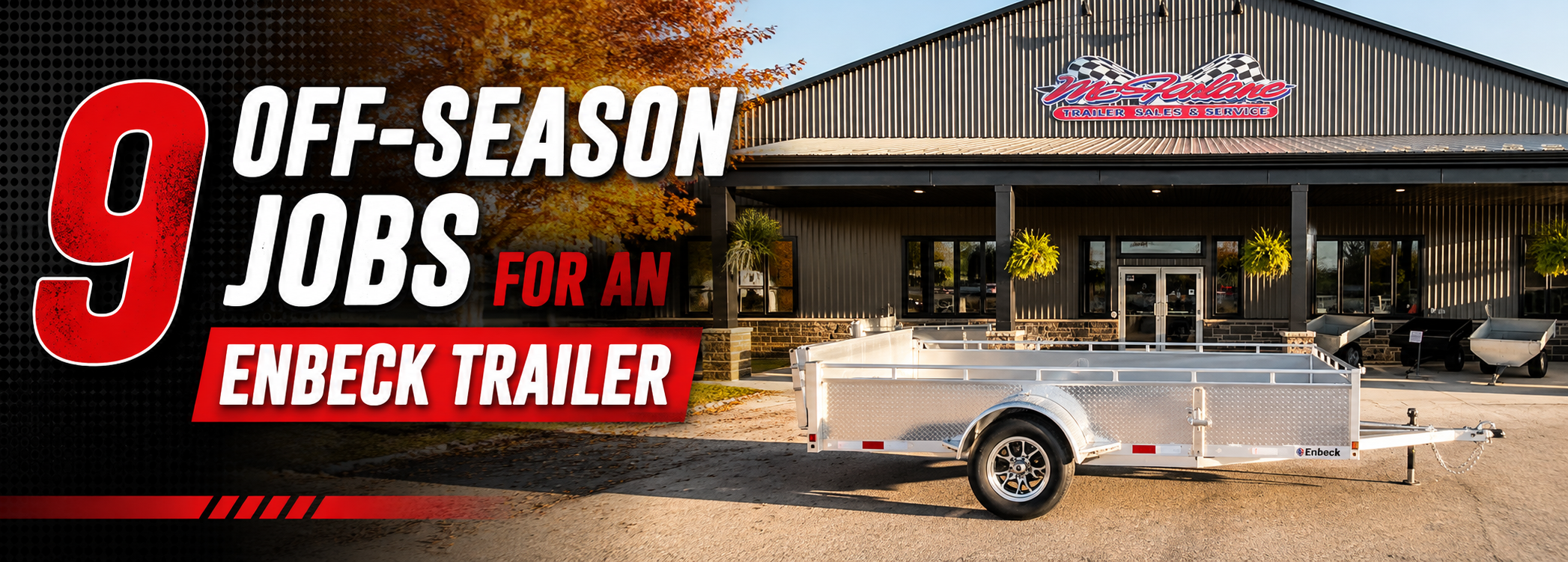
Large outdoor banner: '9 OFF-SEASON JOBS FOR AN ENBECK TRAILER' with a silver enclosed trailer in front of a shop.

Harvest may be over, but the work around the farm or property rarely stops. From hauling firewood and winter feed to moving equipment and repairing fences, the off-season brings a whole new list of jobs that still require the right trailer.

An Enbeck aluminum trailer can keep working long after the last crop comes off the field. With utility, dump, and deckover options suited to different hauling needs, farmers, rural homeowners, contractors, and property managers can put their trailers to work throughout the fall, winter, and into spring.

What Can a Farm Trailer Be Used for After Harvest?

After harvest, a farm trailer can handle everything from winter feed and firewood to fencing materials, equipment, debris, and property-maintenance supplies. Utility, dump, and deckover trailers each suit different tasks, depending on the cargo and loading requirements. Choosing a versatile Enbeck aluminum trailer can help farmers, contractors, and property owners keep hauling efficiently throughout the off-season.

Whether you are managing a large agricultural operation or maintaining a small rural property, an Enbeck trailer offers the versatility to handle diverse tasks.

 Explore these 9 practical jobs where a reliable, high-quality trailer can keep your work moving efficiently long after harvest ends.

  • Haul Winter Feed and Farm Supplies

Livestock still needs feeding when harvest season ends, which means regular trips for feed, bedding, and other farm supplies continue throughout the winter. Having a trailer ready for these routine jobs can make it easier to move what you need without relying on larger farm equipment for every trip.

Depending on the load, an Enbeck utility or deckover trailer can be useful for hauling:

  • Bagged feed and mineral
  • Hay and other livestock feed
  • Bedding and farm supplies
  • Water tanks and containers
  • Tools and maintenance equipment
  • Bulkier supplies that require additional deck space

Utility trailers can be a practical choice for general farm loads and frequent supply runs, while deckover models can provide more usable deck width for larger or awkwardly shaped cargo.

Before loading, consider the total cargo weight, dimensions, weight distribution, and securement requirements. Staying within the trailer’s payload and your tow vehicle’s ratings is essential, even for familiar farm loads. Browse McFarlane Trailer Sales’ Enbeck utility and deckover inventory to compare options for your winter hauling routine.

  • Bring Firewood Home Before the Temperature Drops

When temperatures start falling, having a good supply of firewood becomes a priority for many farms and rural properties. Whether you are bringing logs in from the bush or picking up split wood, the right trailer can make transporting and unloading it much easier.

An Enbeck trailer can suit several types of firewood hauling:

  • Dump trailers: A practical option for loose firewood, with convenient unloading at the woodshed or storage area.
  • Utility trailers: Well suited to bundled or neatly stacked firewood and other general property-maintenance loads.
  • Deckover trailers: Useful when hauling larger loads or longer material that benefits from additional deck space.

Keep in mind that firewood can become surprisingly heavy, especially when it is freshly cut or wet. Species, moisture content, and the size of the load can all affect its total weight, so volume alone should never determine how much you carry.

Before heading home with a full load, confirm the trailer’s payload, GVWR, and your tow vehicle’s capacity. If firewood is a regular part of your off-season routine, explore the Enbeck dump and utility trailers available at McFarlane Trailer Sales to find a setup that matches the way you work.
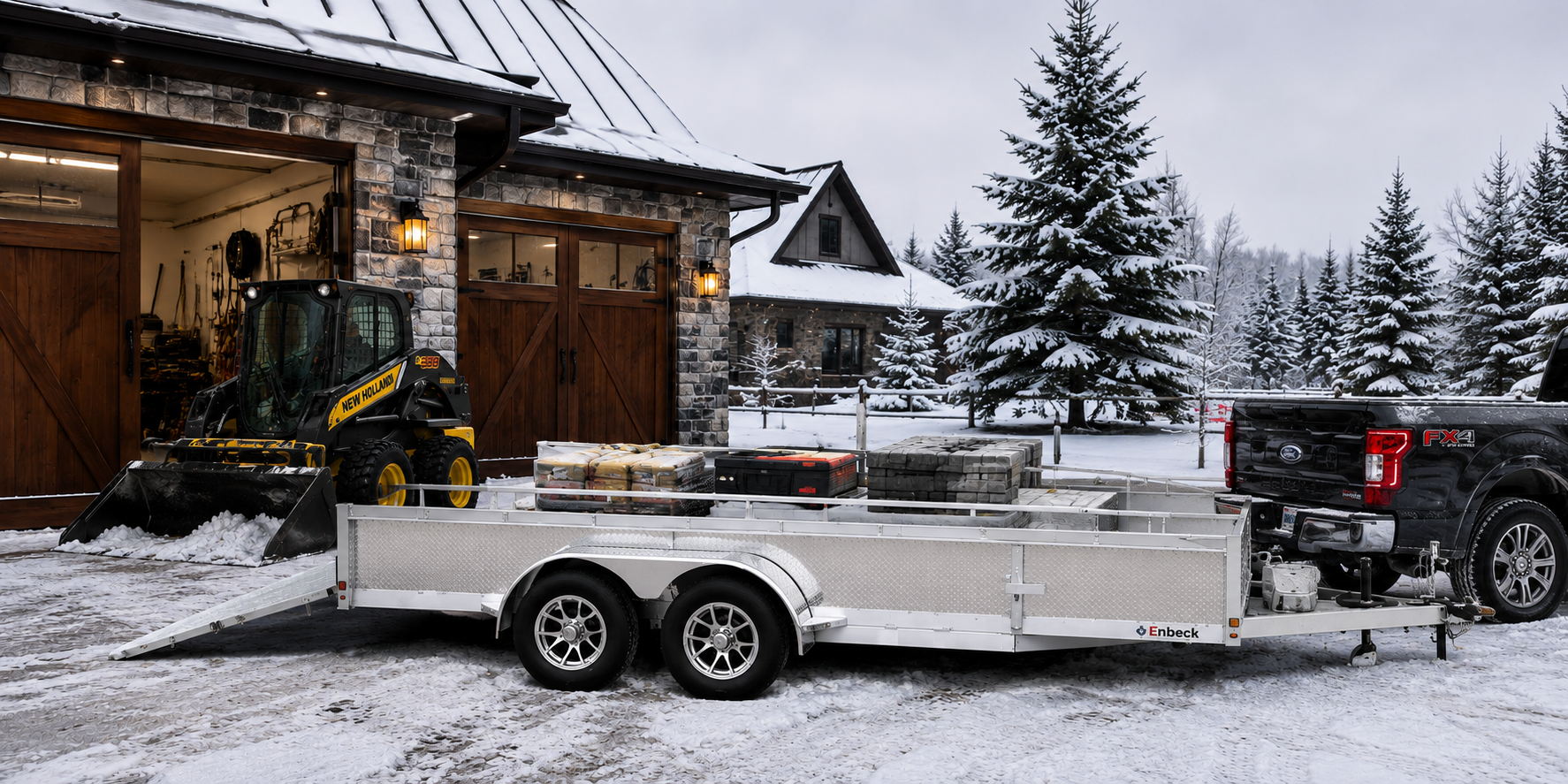
Snowy property scene with a skid steer loader in an open garage and a trailer hitched to a black pickup in front of a stone house.

  • Move Tractors, ATVs and Compact Equipment

Equipment does not stop moving just because harvest is finished. Compact tractors, ATVs, UTVs, mowers, and other machines may need to travel between fields, properties, storage buildings, or jobsites throughout the off-season.

Depending on the equipment you haul, an Enbeck utility or deckover trailer can provide a practical transportation solution. When comparing models, pay attention to:

  • Deck dimensions: Make sure there is enough usable space for the equipment and any attachments.
  • Payload capacity: Check the combined weight of the machine, attachments, fuel, and other cargo.
  • Loading access: Consider ramps and loading angles, particularly for equipment with limited ground clearance.
  • Tie-down points: Proper securement is essential for keeping machinery in place during transport.
  • Tow vehicle capacity: Confirm your vehicle and hitch are properly rated for the expected loaded trailer weight.

Deckover models can be especially useful when additional deck width is needed, while utility trailers may be a convenient choice for ATVs, UTVs, mowers, and other smaller equipment.

If moving machinery is part of your winter workload, browse the Enbeck utility and deckover inventory at McFarlane Trailer Sales to compare models suited to your equipment and hauling requirements.

  • Tackle Off-Season Fencing Projects

After harvest can be a good time to tackle fencing repairs that were difficult to fit into the busy growing season. Whether you are replacing damaged posts, repairing gates, or preparing materials for a larger project, a trailer makes it easier to get supplies and tools where they need to go.

Common fencing loads can include:

  • Fence posts and rails
  • Rolls of wire or mesh
  • Gates and hardware
  • Lumber
  • Post-hole equipment
  • Hand and power tools
  • Other repair and installation supplies

An Enbeck utility trailer can be a practical choice for everyday fencing materials and tools. For longer, wider, or bulkier loads, a deckover trailer may provide the additional deck space and loading flexibility you need.

Before hitting the road, distribute and secure materials properly, especially long posts, lumber, and rolls of fencing. If fence maintenance is a regular part of your off-season workload, check out the Enbeck utility and deckover inventory at McFarlane Trailer Sales to find a trailer that can keep up with projects throughout the year.

  • Keep Property Maintenance Moving

Winter preparation often creates plenty of hauling jobs around farms, rental properties, commercial sites, and rural homes. Fallen branches need clearing, gravel may need moving, and seasonal cleanup can leave piles of debris that need to go somewhere. An Enbeck trailer can help keep these property-maintenance jobs moving efficiently.

Depending on the work, you may need to haul:

  • Branches and storm debris
  • Leaves and yard waste
  • Soil, mulch, or gravel
  • Scrap materials and general debris
  • Landscaping tools and equipment
  • Property-maintenance supplies

An Enbeck dump trailer can be especially useful for loose materials because the dumping system reduces the need to unload everything by hand. Utility trailers are a versatile alternative when the job involves tools, equipment, or a combination of different supplies.

Always consider material weight as well as volume, particularly when hauling dense loads such as soil or gravel. For year-round farm trailer uses that include cleanup and property maintenance, explore the Enbeck dump and utility trailer inventory at McFarlane Trailer Sales to compare models suited to the work.

  • Move Snow Removal Equipment and Winter Supplies

When the snow starts falling, keeping driveways, laneways, parking areas, and access roads clear becomes another regular job. An Enbeck trailer can help farmers, contractors, and property managers move snow removal equipment and winter supplies wherever they are needed.

Depending on your winter routine, you may need to transport:

  • Snowblowers and compact snow removal equipment
  • ATVs or UTVs equipped for winter maintenance
  • Shovels and hand tools
  • Ice-management supplies
  • Fuel containers and maintenance equipment
  • Other tools needed for clearing multiple properties

An Enbeck utility trailer can provide convenient access for smaller equipment and supplies, while a deckover model may be better suited to larger machines or loads that require more deck space. For contractors servicing several locations, having a dedicated trailer can also make it easier to keep essential winter equipment organized and ready to move.

Before loading, check equipment dimensions, total cargo weight, securement requirements, and the ratings of both the trailer and tow vehicle. Browse the Enbeck utility and deckover inventory at McFarlane Trailer Sales to find an option that fits your winter property-maintenance needs.

  • Haul Lumber and Building Materials for Winter Projects

The quieter months after harvest can be a good opportunity to tackle repairs, renovations, and building projects around the farm or property. Whether you are repairing an outbuilding, replacing damaged boards, or starting a new project, an Enbeck trailer can help get materials from the supplier to the jobsite.

Common winter project loads can include:

  • Lumber and plywood
  • Roofing and siding materials
  • Posts and beams
  • Insulation and renovation supplies
  • Farm building materials
  • Tools and construction equipment

An Enbeck deckover trailer can be particularly useful for longer, wider, or bulky building materials because of its open deck space. For smaller loads and everyday repair supplies, a utility trailer may offer the versatility and accessibility you need.

Always secure building materials properly and stay within the trailer’s payload and your tow vehicle’s ratings. If winter is your season for getting projects done, browse the Enbeck deckover and utility trailer inventory at McFarlane Trailer Sales to find a setup that works during the off-season and beyond.

  • Clean Out Barns, Sheds and Outbuildings

Once the busiest farm work slows down, the off-season is a great time to clear out barns, sheds, workshops, and other buildings. Old materials, damaged supplies, and general debris can accumulate throughout the year, and having the right trailer can make a major cleanout much more manageable.

An Enbeck dump trailer can be useful for hauling materials such as:

  • Old bedding and organic debris
  • Scrap wood and damaged materials
  • Broken or unwanted farm supplies
  • Yard and property debris
  • Renovation and repair waste
  • General cleanup materials

The biggest advantage of a dump trailer for these jobs is unloading. Instead of removing loose debris piece by piece at the destination, the dump system can help empty the trailer quickly and reduce manual handling.

Keep payload in mind when mixing materials, as a load of lightweight debris can become much heavier when soil, wet material, or dense waste is added. For farms, rural properties, and commercial sites with regular cleanup work, browse the Enbeck dump trailer inventory at McFarlane Trailer Sales to find a model suited to year-round hauling.

  • Get a Head Start on Spring

Winter may be the off-season, but it is also a valuable time to prepare for the work ahead. Using your Enbeck trailer to organize equipment, move supplies, and tackle early preparation can help you avoid a last-minute rush when warmer weather returns.

Depending on your operation, spring preparation might include hauling:

  • Seed and other agricultural supplies
  • Landscaping and property-maintenance materials
  • Tools and equipment
  • Fencing and repair supplies
  • Mulch, soil, or other bulk materials
  • Equipment that needs servicing before the busy season

This is also a good time to give your trailer some attention. Inspect the tires, brakes, lights, bearings, ramps, tie-down points, and other key components so any maintenance needs can be addressed before your workload increases.

With utility, dump, and deckover configurations available, an Enbeck aluminum trailer can handle far more than one season of work. Browse the Enbeck inventory at McFarlane Trailer Sales to find a trailer that can help with spring preparation and stay useful throughout the year.

Which Enbeck Trailer Fits Your Off-Season Jobs?

With so many year-round farm trailer uses, the right Enbeck model depends on the jobs you tackle most often. Utility, dump, and deckover trailers each offer different advantages, so consider the materials, equipment, and supplies you regularly need to move.

Off-Season JobEnbeck Trailer Type to ConsiderWhy It Fits
Winter feed and farm suppliesUtility or DeckoverProvides accessible cargo space for regular supply runs
FirewoodDump or UtilityOffers convenient unloading for loose wood or open space for stacked loads
Tractors, ATVs and equipmentDeckover or UtilityProvides deck space and loading options for machinery
Fencing materialsUtility or DeckoverAccommodates posts, wire, gates, tools, and longer materials
Property cleanupDumpMakes unloading loose debris and materials more convenient
Snow removal equipmentUtility or DeckoverHelps move equipment and supplies between properties
Lumber and building materialsDeckoverProvides useful space for longer, wider, and bulky materials
Barn and shed cleanoutsDumpReduces manual unloading of loose debris
Spring preparationUtility, Dump, or DeckoverCan be matched to the equipment and materials you need to haul

Use this table as a starting point rather than a model-specific recommendation. Payload capacity, deck dimensions, axle configuration, loading requirements, cargo securement, and tow vehicle capacity should all factor into your final decision.

McFarlane Trailer Sales carries Enbeck utility, dump, and deckover trailers for a wide range of off-season jobs. Comparing your most common loads with the current Enbeck inventory can help you find a trailer that works after harvest and continues earning its keep throughout the year.

Put Your Trailer to Work All Year

Harvest may be finished, but that does not mean your trailer needs to sit until spring. From hauling winter feed and firewood to moving equipment, fencing supplies, and property-maintenance materials, there are plenty of ways to keep an Enbeck aluminum trailer working throughout the off-season.

Choosing a trailer that fits more than one seasonal job can give farmers, rural homeowners, contractors, and property managers greater flexibility all year. The right utility, dump, or deckover model can help you tackle today’s winter workload while staying ready for spring.

Ready to put your trailer to work year-round? Browse the Enbeck trailer inventory at McFarlane Trailer Sales or contact our team to discuss what you haul and what you tow with. We can help you compare utility, dump, and deckover options and find an Enbeck trailer that fits your farm, property, or business.

READ MORE

Why Big Buck Trailers Are Great for Fall Hauling


READ MORE

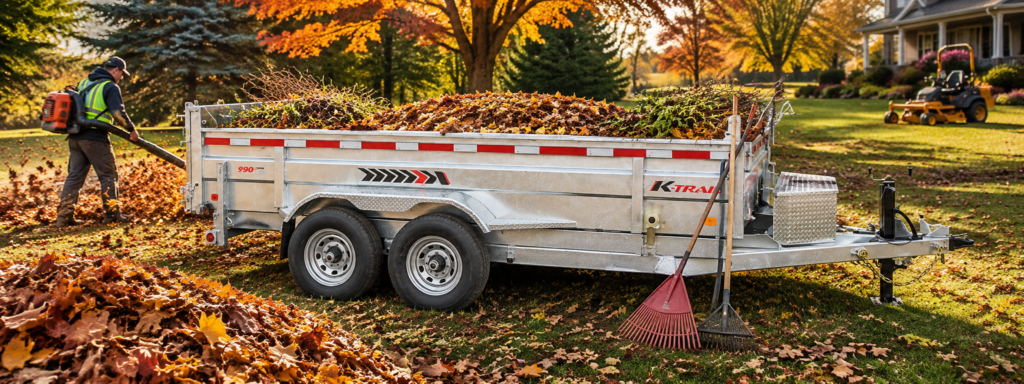
Autumn-themed banner ad for Big Buck Trailers with fall foliage and the slogan 'Are Great for FALL HAULING'.] ,

Fall brings unpredictable weather, muddy job sites, wet roads, and the first signs of road salt. Whether you are hauling tools to a jobsite, landscaping equipment between properties, or recreational gear for a weekend away, your trailer needs to be ready for changing conditions.

Big Buck galvanized enclosed trailers are built with fall hauling in mind. Their enclosed design helps shield cargo from rain and road debris, while galvanized construction provides added protection against corrosion. For contractors, landscapers, and recreational users, that combination can make a big difference as the seasons change.

Fall Weather Can Be Tough on Your Trailer and Cargo

Fall can put a trailer through a little bit of everything. A dry morning can turn into an afternoon of rain, while muddy job sites, wet leaves, colder temperatures, and early road salt can create challenging conditions for both your trailer and the cargo inside it.

For contractors, landscapers, and other frequent haulers, some of the biggest seasonal concerns include:

  • Rain and moisture: Regular exposure to water can contribute to corrosion and wear over time.
  • Mud and road grime: Dirt can collect on the trailer frame, undercarriage, wheels, and other exposed components.
  • Road salt: Early salt applications can expose metal surfaces to corrosive material as temperatures begin to drop.
  • Changing temperatures: Colder weather can affect tire pressure and make regular trailer inspections even more important.
  • Wet cargo: Tools, equipment, supplies, and recreational gear can be vulnerable when transported on an open trailer during poor weather.

This is where trailer construction matters. A galvanized enclosed trailer can provide an added layer of protection against the conditions that come with fall hauling, helping protect the trailer itself while keeping valuable cargo covered during the trip.

Did You Know? Galvanized Construction Adds an Extra Layer of Protection

Galvanized steel offers an important advantage when a trailer regularly encounters wet roads, mud, and road salt. During galvanization, steel is coated with a protective layer of zinc that helps slow corrosion by creating a barrier between the underlying steel and the elements.

That added protection can be particularly useful during fall and early winter. Consider the conditions a working trailer may encounter in a single week:

  • Rain and moisture can repeatedly expose the trailer to wet conditions.
  • Mud and road grime can collect underneath the trailer and around exposed components.
  • Road salt can accelerate corrosion when it remains on unprotected metal surfaces.
  • Frequent temperature changes can create additional moisture and condensation.

For contractors and landscapers who tow regularly, galvanized construction can provide extra peace of mind as weather conditions change. Recreational users can also benefit when hauling equipment on wet roads or heading out for late-season adventures.

Galvanization does not make a trailer maintenance-free. Regular washing, inspections, and seasonal maintenance are still important, especially after travelling on salted roads. Combining galvanized construction with proper care can help keep a Big Buck trailer ready for demanding fall conditions and the seasons that follow.

Why an Enclosed Trailer Makes Sense in Unpredictable Fall Weather

Fall weather does not always cooperate with your schedule. Rain can arrive halfway through a job, roads can become covered in spray and grime, and equipment left exposed during transport can quickly get wet or dirty. An enclosed trailer gives your cargo a layer of protection between stops.

For contractors, landscapers, and recreational users, that can provide several practical advantages:

  • Weather protection: An enclosed cargo area helps shield tools, equipment, and supplies from rain and road spray.
  • Cleaner equipment: Keeping cargo covered can reduce exposure to mud, wet leaves, and road grime during transport.
  • Convenient storage: Equipment can stay contained between jobs instead of requiring frequent loading, covering, and uncovering.
  • Better organization: An enclosed space makes it easier to organize tools and supplies so crews can quickly access what they need.
  • Versatile hauling: From landscaping equipment and building supplies to ATVs and recreational gear, an enclosed trailer can serve a wide range of fall hauling needs.

For anyone who regularly hauls valuable equipment, an enclosed Big Buck trailer can make unpredictable fall conditions easier to manage. Your cargo stays contained and protected, allowing you to focus more on the job or destination and less on the weather.

A Practical Choice for Contractors and Landscapers

Fall can be one of the busiest seasons for contractors and landscaping crews. Between property cleanups, maintenance work, renovations, and preparing sites for winter, equipment often needs to move from one location to another throughout the day. A Big Buck enclosed trailer can provide a practical way to transport and organize that gear.

Depending on your operation, an enclosed trailer can help with:

  • Tool transport: Keep hand tools, power tools, and other equipment together while travelling between jobs.
  • Landscaping equipment: Carry blowers, trimmers, rakes, and other seasonal equipment in a protected cargo area.
  • Jobsite organization: Shelving and storage solutions can help crews keep frequently used equipment organized and accessible.
  • Mobile storage: Keep supplies and equipment contained when moving between multiple properties or job sites.
  • Changing weather: Protect cargo from rain, road spray, mud, and other conditions common during the fall.

The right trailer should also fit your equipment and workload. Consider interior dimensions, door access, payload capacity, and your tow vehicle’s capabilities when comparing options. Choosing a Big Buck trailer that works for your fall workload can also give you useful hauling and storage capacity for projects throughout the rest of the year.

Two‑axle enclosed cargo trailer with diamond-plate trim and a side entry door, parked outside a gray industrial building with a large garage door and a business sign above.

Not Just for Work: Fall Hauling for Recreational Users

Big Buck trailers are not limited to job sites and landscaping routes. Fall is also a great time for ATV rides, cottage weekends, camping trips, and other outdoor activities. An enclosed trailer gives recreational users a convenient way to bring equipment along while helping protect it from unpredictable weather on the road.

A galvanized enclosed trailer can be useful for hauling:

  • ATVs and recreational equipment: Transport machines and related gear while keeping them contained during the trip.
  • Camping gear: Keep tents, chairs, coolers, and other supplies protected from rain and road spray.
  • Cottage supplies: Move tools, equipment, and seasonal items to or from the cottage before winter arrives.
  • Motorcycles and powersports gear: Keep valuable equipment enclosed when travelling in changing fall conditions.
  • Property-maintenance equipment: Carry tools and supplies for seasonal work around a cottage, acreage, or recreational property.

For buyers who split their time between work and recreation, versatility is a major advantage. The same Big Buck trailer used to haul equipment during the week can be ready for a weekend trip when Friday arrives, giving you useful enclosed cargo space throughout the fall and beyond.

Rain, Mud and Road Salt: Simple Fall Trailer Care Tips

Galvanized construction provides added protection against corrosion, but regular maintenance is still important. Fall exposes trailers to moisture, mud, road grime, and eventually salt, so a few simple habits can help keep your Big Buck trailer ready for the next trip.

Add these tasks to your fall trailer-care routine:

  • Rinse away road salt and mud: Wash the trailer regularly, paying attention to the frame, undercarriage, wheels, and other areas where grime can collect.
  • Check your tires: Inspect tread and condition, and check tire pressure regularly as temperatures begin to drop.
  • Inspect the brakes: Make sure the trailer’s braking components are functioning properly before hauling heavier loads.
  • Test lights and wiring: Check brake lights, turn signals, and running lights, especially as daylight hours become shorter.
  • Inspect doors and hinges: Make sure doors, latches, hinges, and ramps operate properly and remain free of excessive dirt and debris.
  • Check the coupler and safety equipment: Inspect the hitch connection, safety chains, breakaway system, and other towing components before heading out.
  • Clean before storage: Remove mud, leaves, salt, and other debris before parking the trailer for an extended period.

A little preventive maintenance can go a long way during a demanding hauling season. Keeping your trailer clean and inspecting key components regularly can help you catch potential issues early and keep your Big Buck trailer working through fall and into winter.

What to Look for When Choosing a Big Buck Trailer

Choosing the right Big Buck trailer starts with knowing what you plan to haul. A contractor carrying tools every day may have different requirements than a landscaper transporting equipment or a recreational user hauling an ATV on weekends. Thinking beyond your immediate fall workload can help you choose a trailer that stays useful year-round.

When comparing your options, consider:

  • Trailer size: Make sure the length, width, and interior height provide enough room for your typical cargo.
  • Payload capacity: Consider the weight of your equipment, tools, supplies, and accessories when comparing trailer capacities.
  • GVWR: Check the trailer’s weight rating and make sure it suits your intended hauling requirements.
  • Axle configuration: Consider the type of loads you expect to carry and how frequently you plan to tow.
  • Door and ramp access: Think about how equipment will enter and exit the trailer at each job or destination.
  • Tow vehicle compatibility: Confirm that your vehicle, hitch, and related towing equipment are properly rated for the trailer and expected loaded weight.
  • Future uses: Consider whether you may want to haul different equipment, take on larger jobs, or use the trailer recreationally in other seasons.

Instead of choosing based only on your current job, think about the largest and heaviest loads you regularly expect to carry. McFarlane Trailer Sales can help you compare available Big Buck configurations and narrow down a trailer that fits your cargo, tow vehicle, and hauling plans.

Be Ready for Whatever Fall Brings

Fall hauling comes with its share of challenges, from sudden rain and muddy job sites to colder temperatures and early road salt. A Big Buck galvanized enclosed trailer gives contractors, landscapers, and recreational users a practical way to keep cargo covered while adding corrosion protection for changing seasonal conditions.

Whether you are transporting tools between jobs, hauling landscaping equipment, or packing up for a weekend adventure, choosing the right trailer can make every trip easier. With the right size, payload capacity, and configuration, your Big Buck trailer can stay useful well beyond the fall season.

Ready to find the right trailer for your hauling needs? Browse the current Big Buck trailer inventory at McFarlane Trailer Sales or contact our team for personalized help. Tell us what you haul and what you tow with, and we can help you compare options and find a trailer that is ready for work, recreation, and whatever the next season brings.

READ MORE

How Many Fall Cleanups Fit in One Load? A K-Trail Dump-Trailer Capacity Planner for Landscaping Crews


READ MORE

A K-Trail Dump-Trailer Capacity Planner for Landscaping Crews

Fall cleanup season can turn a productive landscaping route into a series of dump-site runs. Leaves and brush fill a trailer quickly, and choosing the right capacity can mean the difference between finishing several properties in one load and losing valuable time unloading halfway through the day.

A K-Trail dump trailer for landscaping can make seasonal cleanup more efficient, but capacity isn’t just about box size. Leaves, brush, soil, mulch, and gravel all load differently. This guide will help you estimate how many fall cleanups your trailer can handle while balancing volume, payload, and practical hauling needs.

What Size Dump Trailer Do I Need for Fall Cleanups?

For most fall cleanups, choose a dump trailer based on the volume of leaves and brush you typically collect, as well as the trailer’s available payload. Lightweight leaves usually fill the trailer by volume first, while wet yard waste, soil, and gravel can reach payload limits much sooner. The right size depends on your properties, materials, tow vehicle, and daily workload.

Start With Cubic Yards: How Much Space Does a Fall Cleanup Use?

When hauling leaves and yard waste, cubic yards tell you how much material can physically fit inside the trailer. This is especially important during fall cleanups because dry leaves are relatively light but take up a lot of space. A trailer can look completely full while still being well below its maximum payload.

To estimate how many cleanups you can fit in one load, start by estimating how many cubic yards of debris an average property produces. For example, if a typical cleanup generates about 3 cubic yards of leaves and brush and your trailer provides 12 cubic yards of usable space, you could theoretically fit about four similar cleanups before unloading.

Keep in mind that yard waste rarely packs perfectly. Loose leaves settle, while branches and hedge trimmings can leave large pockets of unused space. Wet leaves also weigh considerably more than dry ones. Treat your calculation as a planning estimate and leave some extra capacity rather than assuming every cubic yard of trailer space will be usable.

A simple formula can help when planning your route:

Approximate cleanups per load = usable trailer volume ÷ estimated cubic yards of debris per cleanup

Tracking the amount of debris collected from your regular properties can make these estimates more accurate over time. For landscaping crews with recurring routes, this can help determine when to schedule dump runs and which trailer capacity best matches a typical workday.

Leaves vs. Brush: Why the Same Trailer Can Hold Very Different Loads

Not all fall debris uses trailer capacity the same way. A dump trailer for leaves and yard waste may fill to the top with dry leaves while remaining well below its payload limit. Add wet leaves, grass clippings, or heavier debris, and weight can become a concern much sooner.

The type and condition of the material can make a significant difference:

  • Dry leaves: Lightweight but bulky, so available space is usually the main limitation.
  • Wet leaves: Heavier and more compact than dry leaves, making payload more important after rainy weather.
  • Brush and branches: Relatively light for their size, but irregular shapes can create empty pockets and use trailer space inefficiently.
  • Hedge trimmings: Often compact more easily than branches, but can still consume considerable volume on larger properties.
  • Mixed yard waste: A combination of leaves, branches, grass, and other debris can make both volume and weight harder to estimate.

Crews can make better use of available capacity by loading material evenly and breaking down bulky brush when practical. However, fitting more into the box should never come at the expense of safe loading. Stay within the trailer’s rated payload, distribute the load properly, and secure loose yard waste before travelling.

Fall Cleanup Load-Planning Table: Leaves, Brush, Soil, Mulch and Gravel

Volume is only half of the equation when planning a dump trailer load. Material density can vary considerably, especially when moisture is involved. The estimates below can help landscaping crews compare common materials and determine whether trailer space or payload is more likely to become the limiting factor.

MaterialApprox. Weight per Cubic YardRelative WeightUsually Limited ByPlanning Tip
Dry leaves100 to 300 lbLightVolumeExpect the trailer to fill before reaching its payload limit
Wet leaves300 to 600+ lbModerateVolume and payloadLeave additional payload capacity after rain
Brush and branches150 to 500 lbLight to moderateVolumeBreak down bulky branches to reduce empty space
Mulch400 to 800 lbModerateVolume and payloadEstimate cubic yards before loading
Soil1,800 to 2,700 lbHeavyPayloadA few cubic yards can add substantial weight
Gravel2,400 to 3,000+ lbVery heavyPayloadCalculate weight carefully before filling the trailer

These figures are general planning estimates. Actual weight can vary based on moisture, compaction, material type, and other conditions. A simple calculation can provide a rough load estimate:

Estimated load weight = cubic yards of material × estimated weight per cubic yard

For example, 3 cubic yards of soil at an estimated 2,000 pounds per cubic yard would weigh about 6,000 pounds. Before loading, always check the specific trailer’s GVWR, empty weight, available payload, axle ratings, and tire ratings, along with the tow vehicle and hitch limits. Never use estimated material weights as a substitute for the manufacturer’s specifications or an actual measured load weight.

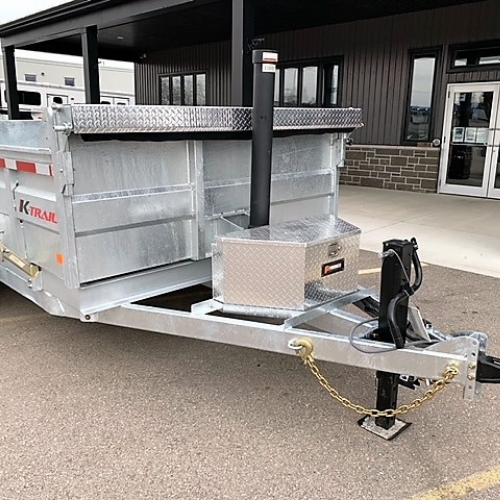
Silver K-Trail dump trailer with a diamond-plate toolbox and a black hoist/post at the front, parked on a lot in front of a building.

How Many Fall Cleanups Can You Actually Fit in One Load?

Once you know your trailer’s usable volume and the approximate amount of debris each property produces, you can estimate how many stops will fit into one load. For leaf-heavy cleanups, volume will often determine when it is time to unload.

Consider a landscaping crew using a trailer with about 12 cubic yards of usable space:

  • Small cleanup: At 1 to 2 cubic yards of debris per property, roughly 6 to 12 cleanups could fit based on volume alone.
  • Average cleanup: At around 3 cubic yards per property, approximately four cleanups could fit in one load.
  • Large cleanup: At 5 to 6 cubic yards per property, the trailer may hold only two cleanups before a dump run is needed.
  • Mixed-material cleanup: If the load includes wet leaves, soil, sod, or other dense materials, payload may become the limiting factor before the available space is used.

These numbers are planning examples rather than guaranteed load counts. Leaves can settle during transport, branches create empty pockets, and wet material can add significant weight.

For landscaping crews, the goal is not necessarily to fit the maximum possible amount into every load. A better approach is to leave a reasonable capacity buffer and plan dump runs around the properties on your route. This helps keep loads within the trailer’s ratings while reducing unnecessary trips to the disposal site.

When a Larger K-Trail Dump Trailer Can Reduce Dump Runs

For landscaping and property-maintenance crews, every trip to the disposal site takes time away from the next job. If your trailer regularly fills with leaves and brush after only one or two properties, moving to a larger K-Trail dump trailer for landscaping could help your crew complete more stops between dump runs.

Fewer dump runs can provide several practical benefits:

  • More productive hours: Crews can spend more of the workday completing cleanups instead of travelling to and from disposal sites.
  • Lower travel costs: Fewer trips can help reduce fuel use and unnecessary mileage on the tow vehicle.
  • Better route planning: Additional capacity makes it easier to group several nearby properties before unloading.
  • Less disruption: Crews can move from one customer to the next without stopping halfway through a route to empty the trailer.
  • Greater versatility: A properly selected dump trailer can handle fall leaves and brush while also supporting mulch, soil, and other landscaping work throughout the year.

Bigger is not always better, though. A larger trailer may require a more capable tow vehicle, and it can be harder to maneuver in tight residential driveways or crowded job sites. The best choice is a trailer that provides enough capacity for your typical route while staying within your vehicle’s towing limits and the trailer’s rated payload.

Don’t Confuse Box Capacity With Payload Capacity

A dump trailer may have plenty of room left in the box and still be approaching its safe weight limit. This is why landscapers need to consider both cubic-yard capacity and payload when planning a load.

Cubic-yard capacity measures how much space is available in the trailer, while payload refers to how much cargo weight the trailer can carry. Available payload can generally be estimated with this formula:

Available payload = GVWR – empty trailer weight

For example, dry leaves may fill the entire box without coming close to the trailer’s payload limit. Soil and gravel are very different. These dense materials can reach the payload limit while leaving a significant amount of empty space in the box.

Before heading to the next job, crews should consider several ratings and limits:

  • GVWR: The maximum allowable loaded weight of the trailer.
  • Payload capacity: The amount of cargo the trailer is rated to carry.
  • Axle and tire ratings: These help determine how much weight the trailer components can safely support.
  • Tow vehicle capacity: The vehicle must be properly rated for the loaded trailer.
  • Hitch and tongue weight: Proper ratings and weight distribution are important for safe towing.
  • Load distribution: Material should be positioned appropriately rather than concentrated in one area of the trailer.

Always confirm specifications for the exact K-Trail model, tow vehicle, hitch, and equipment being used. When hauling heavy landscaping materials, the trailer looking “not full” does not necessarily mean there is room for more.

Choosing a K-Trail Setup for Landscaping and Property Maintenance

The right K-Trail setup should match more than your busiest week of fall cleanups. Landscaping crews often use the same trailer for brush in the spring, mulch and soil in the summer, and leaves throughout the fall. Choosing a versatile setup can help keep the trailer useful throughout the working season.

When comparing K-Trail dump trailers, consider:

  • Box dimensions: Longer or taller boxes can provide additional room for bulky leaves, branches, and yard waste.
  • Payload capacity: Make sure the trailer is suited to the heaviest materials you regularly expect to haul.
  • Side height: Higher sides or compatible extensions can provide useful volume for lightweight, bulky debris.
  • Loading access: Consider how easily crews can load leaves, wheelbarrows, equipment, and other materials.
  • Dump system: A reliable dumping system can make unloading at disposal sites or jobsites faster and more convenient.
  • Tarp options: A suitable tarp system can help contain loose leaves and yard waste during transport.
  • Ramps: If available on the specific model, ramps may be valuable for crews that need to transport landscaping equipment between jobs.

For contractors, the goal is to find a K-Trail dump trailer that works for both high-volume debris and heavier landscaping materials without exceeding its rated limits. Homeowners should apply the same principle on a smaller scale, choosing a trailer that fits their property-maintenance needs and the capabilities of their tow vehicle.

A Quick Pre-Load Checklist for Fall Cleanup Crews

A few minutes of planning before the first property can make the entire cleanup route more efficient. Before loading your dump trailer for leaves and yard waste, consider what you will be hauling, how much space it will require, and how quickly the weight could add up.

Use this quick checklist before heading out:

  • Estimate how many cubic yards of debris you expect to collect from the day’s properties.
  • Identify the main materials, such as leaves, brush, mulch, soil, or gravel.
  • Account for rain or moisture that could make leaves and other yard waste heavier.
  • Confirm the trailer’s available payload, GVWR, axle ratings, and tire ratings.
  • Make sure the tow vehicle and hitch are properly rated for the expected loaded trailer weight.
  • Distribute material appropriately instead of concentrating excessive weight in one area.
  • Secure loose leaves, branches, and other debris before travelling.
  • Plan your disposal stops so the crew can complete as many properties as practical without overloading the trailer.

Making these checks part of your fall routine can help reduce unnecessary dump runs while keeping capacity and payload limits at the centre of your load planning.

Plan the Load Before You Plan the Route

The right dump trailer can make fall cleanup routes faster and easier to manage. Leaves and brush tend to use up trailer volume first, while soil, gravel, and wet yard waste can push payload limits much sooner. Knowing what you haul and how much each property typically produces can help you plan loads with fewer surprises.

For landscaping crews, property-maintenance companies, and homeowners, a K-Trail dump trailer can provide useful capacity for fall debris while staying versatile for mulch, soil, brush, and other projects throughout the year. The key is choosing a trailer that matches your workload, materials, and tow vehicle.

Ready to find the right setup? Browse the current K-Trail dump trailer inventory at McFarlane Trailer Sales, or contact the team for a payload and capacity consultation. Tell us what you haul, how many properties you typically service, and what you tow with, and we can help you narrow down the K-Trail options that fit your needs.

READ MORE

How to Set Up a Rocklyn Enclosed Trailer for Tools and Equipment


READ MORE

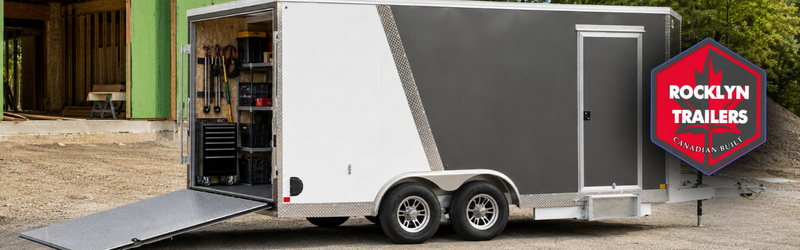
Enclosed dual-axle utility trailer on a dirt lot with rear ramp down; tool storage visible inside and Rocklyn Trailers logo on the side.

An enclosed trailer should do more than move tools from one location to another. With the right setup, it can become an organized mobile workspace that protects equipment and helps you stay productive.

Whether you work in construction, agriculture, landscaping, industrial services or recreational equipment hauling, your layout should reflect what you carry and how often you need to access it. Rocklyn manufactures Canadian-made aluminum enclosed trailers, including contractor models, with different sizes and configurations available through McFarlane Trailer Sales in New Hamburg.

How Do You Organize Tools in an Enclosed Trailer?

The best way to organize tools in an enclosed trailer is to keep the floor clear, give every item a secure location and arrange equipment based on how often it is used. Store frequently used tools close to the side or rear door, place small supplies on shelves, and secure heavy equipment to properly rated anchor points.

Before adding storage, consider:

  • The size and weight of your equipment
  • How tools will be loaded and unloaded
  • Which items you use most often
  • How much open floor space you need
  • The trailer’s payload capacity and weight distribution
  • Whether tools need protection from weather or theft

Planning around your workflow is more effective than installing shelves or racks wherever they happen to fit.

Start With the Right Enclosed Trailer

A good contractor trailer setup begins with the right trailer size and capacity. A trailer that is too small can quickly become crowded, while an oversized trailer may cost more and be harder to manoeuvre on tight jobsites.

Make a list of what you normally carry, including large equipment that must remain on the floor. Consider future needs as well. If your business is growing or you expect to add larger tools, a little extra room may be worthwhile.

You will also need to confirm that your tow vehicle is suitable for the trailer and its loaded weight. Storage systems, workbenches, batteries and racks all add weight before tools and materials are loaded. Check the trailer’s ratings, axle capacity and manufacturer requirements before finalizing the setup.

Divide the Interior Into Work Zones

Instead of treating the trailer as one open storage area, divide it into zones. This gives every item a logical place and makes it easier to maintain the system.

A practical enclosed-trailer layout might include:

  • A frequently used tool zone near the side door
  • Shelving for small tools, fasteners and supplies
  • Floor space for generators, compressors or lawn equipment
  • A section for long materials and ladders
  • A secure area for higher-value equipment
  • A clear centre aisle for safe movement

For many contractors, a U-shaped layout works well. Shelving can run along the side walls, with a workbench or cabinets positioned near the front. This leaves the centre open for movement and larger equipment.

However, a U-shaped design is not right for every user. Farmers, industrial crews and recreational users may need more uninterrupted floor space for machinery, ATVs or bulky equipment. In those cases, storage along one wall may be more practical.

Use Shelving Without Losing Floor Space

Enclosed trailer shelving is useful for cases, hand tools, parts and supplies, but it should not make the interior feel cramped.

Shallow shelving can provide storage while preserving room for equipment and a clear aisle. The ideal depth depends on the trailer width and what you plan to store. Before installation, place your largest floor-loaded item inside or measure its footprint to determine how much wall space is available.

Useful shelving features include:

  • Raised edges that help prevent items from sliding
  • Adjustable shelves that can accommodate different tools
  • Positive-latching cabinet doors
  • Divided bins for fasteners and small parts
  • Labels that make supplies easier to return to the right place

Storage materials also contribute to the trailer’s total weight. Aluminum shelving may help limit added weight and resist corrosion, but every component should be installed according to the trailer manufacturer’s requirements.

Plan Storage for Ladders and Long Materials

Ladders, pipe, trim and other long materials can take up a large portion of the interior. A dedicated rack keeps these items from interfering with other tools.

An exterior roof rack can preserve interior space, but it also exposes equipment to weather and makes it more visible. Interior wall- or ceiling-mounted storage offers greater protection, provided it does not reduce headroom or create an unsafe obstruction.

The right option depends on:

  • The length and weight of the materials
  • How often are they needed
  • Available interior clearance
  • Theft and weather concerns
  • The rack and trailer’s rated capacities

Do not assume that every enclosed trailer roof can support a loaded rack. Confirm structural requirements and load ratings before installing exterior or ceiling-mounted equipment.

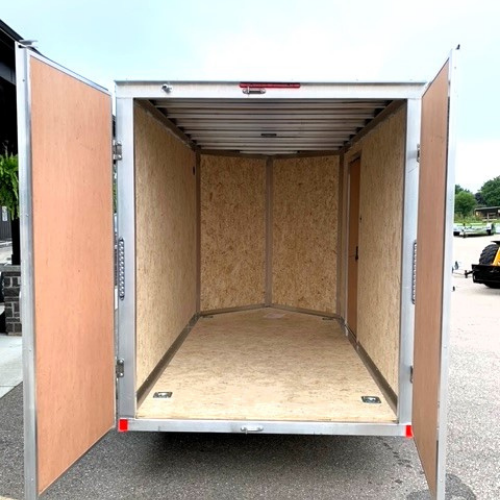
Open back of an empty utility trailer with wooden interior and plywood walls and floor, doors wide open

Match the Door Style to Your Loading Routine

The rear door affects how easily equipment moves in and out of the trailer.

A ramp door is often the practical choice for wheeled equipment such as tool chests, generators, mowers, motorcycles or ATVs. A spring-assist system can make the door easier to raise and lower, while a transition flap can provide a smoother path between the ramp and the ground.

Barn doors may be better when you want full rear access without lowering a ramp. They can also work well when materials are loaded from a dock or with appropriate material-handling equipment.

A side access door is valuable when you need to retrieve a tool without opening the rear of the trailer. Position frequently used equipment near this door so quick stops do not require unloading or climbing over other items.

Available door styles and upgrades vary by trailer, so confirm the chosen configuration before purchasing or modifying a Rocklyn trailer.

Improve Visibility With Interior Lighting

Good lighting makes it easier to find tools, read labels and move safely during early starts or late finishes.

LED fixtures positioned along the ceiling or upper walls can provide more even coverage than a single light in the centre. Motion-activated lighting near the entrance is also useful when your hands are full.

If you plan to charge batteries or operate corded equipment, discuss the appropriate electrical setup with a qualified professional. Depending on the intended use, this could include a dedicated battery, shore-power connection, outlets or a battery-maintenance system.

All wiring, batteries and electrical equipment should be properly protected and installed for mobile use.

Secure Tools and Manage Cargo Weight

Even an organized trailer is unsafe if tools can shift while travelling. Shelves, bins and cabinets should close securely, while heavier items need appropriately rated tie-down points.

E-track and recessed D-rings can provide flexible cargo-control options. However, their working load limits depend on the hardware, fasteners, mounting surface and installation method. Never rely on a generic rating or assume an anchor is suitable because it looks heavy-duty.

When loading the trailer:

  • Keep heavy equipment low and properly secured
  • Balance the load from side to side
  • Maintain appropriate tongue weight
  • Do not exceed the trailer or axle ratings
  • Inspect straps, anchors and mounting points regularly
  • Secure small items that could fall from shelves

Weight distribution affects towing stability, so it should be considered during the initial layout—not after shelves and equipment are installed.

Prepare for Ontario Work Conditions

An enclosed trailer used year-round in Ontario must handle heat, moisture, snow and road salt. Ventilation can help manage heat and stale air during warmer months, while good door seals help protect tools from rain and winter conditions.

Keep wet equipment away from items that can rust or become damaged by moisture. Removable floor mats, wall protection and easy-to-clean surfaces may also be useful for landscaping, agricultural or recreational equipment.

Security deserves attention as well. Quality locks, concealed storage and a consistent tool inventory can help protect valuable equipment. Avoid leaving expensive tools visible near windows or open doors when the trailer is unattended.

Build a Trailer Around the Way You Work

The best contractor trailer setup is not necessarily the one with the most shelves, racks or accessories. It is the one that fits your equipment, loading routine and working environment.

Start with the essentials: safe cargo control, clear access and storage for the tools you use most. Additional lighting, cabinets, racks and workspace features can be added where they provide a practical benefit.

McFarlane Trailer Sales in New Hamburg carries Rocklyn enclosed trailers in several sizes and configurations. The team can help you compare available trailers and determine which features suit your trade, agricultural operation, industrial work or recreational hauling needs. Explore Rocklyn trailers currently available from McFarlane Trailer Sales or contact the dealership to discuss your setup.

READ MORE

Canada Trailers vs. One Sixteen Trailers: Which Heavy-Duty Trailer Fits Your Workload?


READ MORE

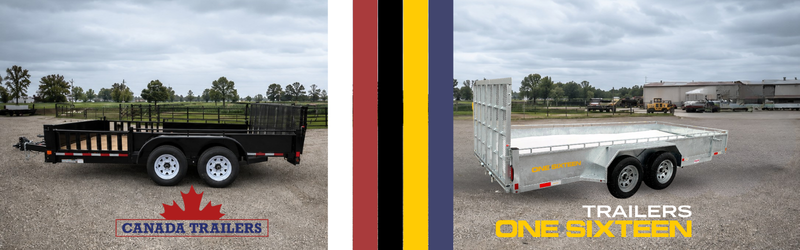
Two utility trailers on a gravel lot: a black dual-axle trailer on the left with Canada Trailers branding and a silver dual-axle trailer on the right with One Sixteen branding, separated by vertical color bars.

A heavy-duty trailer should fit the work you do every week—not just the heaviest job you might handle once a year.

Canada Trailers and One Sixteen Trailers both offer practical options for farmers, contractors, landscapers and industrial operators. The better choice depends on what you haul, how frequently you use the trailer and how you load your equipment or materials.

At McFarlane Trailer Sales in New Hamburg, we carry both brands. Rather than choosing by name alone, compare the specifications and features that affect your daily work: capacity, axle configuration, deck size, loading system and tie-down options.

Canada Trailers and One Sixteen Trailers Serve Different Workloads

There is no single trailer that is best for every operation.

A farmer moving compact equipment between properties has different requirements from a contractor transporting a skid steer every day. A landscaping company may need quick loading and flexible cargo space, while an industrial operation may place more importance on deck strength, payload and secure tie-down points.

Both Canada Trailers and One Sixteen Trailers offer configurations for demanding work. Your decision should begin with a few practical questions:

  • What equipment or material will you haul?
  • What is the heaviest regular load?
  • How often will the trailer be used?
  • Will you load with ramps, a forklift or a tilt deck?
  • Do you need a lower loading height or a maximum deck width?
  • Will the trailer travel mainly on highways, rural roads or job sites?

Answering these questions will narrow the available models quickly.

Start With Payload, Not Trailer Size

A longer or larger trailer does not always mean it can safely carry more weight.

Payload is the amount of cargo a trailer can carry after accounting for the trailer’s own weight. When comparing models, review the gross vehicle weight rating, trailer weight, axle ratings and resulting payload.

Your selection should be based on the heaviest load you expect to move regularly. Leave enough capacity for attachments, fuel, tools and other items that may travel with the main machine.

For example, the listed operating weight of a skid steer may not include a bucket, forks or additional attachments. Those items can add considerable weight.

Never choose a trailer with a capacity that only barely matches the equipment. A suitable margin gives you more flexibility and helps prevent overloading.

Single-Axle or Tandem-Axle?

Axle configuration affects capacity, stability, maintenance and towing requirements.

Single-axle trailers

A single-axle trailer may suit lighter or less frequent work, including:

  • Small lawn and garden equipment
  • Light building supplies
  • Compact utility vehicles
  • Property maintenance tools
  • General farm supplies

These trailers are often easier to manoeuvre in tight yards and may be suitable for lighter tow vehicles. They also have fewer tires, hubs and brakes to maintain.

Tandem-axle trailers

A tandem-axle trailer is generally better suited to heavier equipment and frequent commercial use. Two axles can provide greater capacity and improved stability, particularly on highways or uneven rural roads.

Typical uses include:

  • Skid steers
  • Compact excavators
  • Tractors and attachments
  • Construction equipment
  • Palletized materials
  • Multiple mowers or utility vehicles

Do not assume every tandem-axle model has the same capacity. Always compare the ratings of the specific Canada Trailers and One Sixteen models being considered.

Your tow vehicle must also be rated for the trailer and its loaded weight.

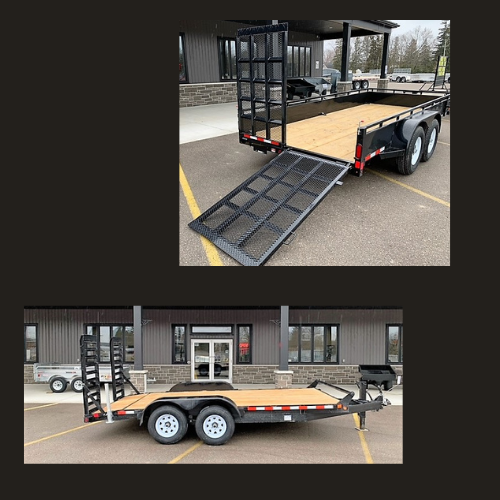
Flatbed trailer with a lowered ramp, parked in a lot, showing a wooden deck and metal rails on a two-axle setup (for equipment transport).

Compare Standard Decks and Deckover Trailers

Deck design affects loading height and usable width.

Standard equipment or flatbed decks

On a standard flatbed configuration, the deck sits between the wheels. This keeps the platform lower to the ground and can reduce the ramp angle.

A lower deck may be useful when loading:

  • Skid steers
  • Compact tractors
  • Lawn equipment
  • Low-clearance machinery
  • Wheeled construction equipment

The trade-off is that the fenders may limit usable width.

Deckover trailers

A deckover trailer places the deck above the wheels. This creates a flat platform that uses the full width of the trailer.

Deckovers may be a better fit for:

  • Wide equipment
  • Building materials
  • Pallets
  • Farm supplies
  • Industrial loads are loaded from the side
  • Irregular or oversized cargo

Because the deck is higher, loading may require longer ramps or a different loading system. Farmers and industrial operators should weigh the benefit of full-width deck space against the higher loading height.

Select a Deck Length That Fits the Equipment

Deck length should match both the footprint of the load and the way its weight sits over the axles.

A trailer that is too short may not give you enough room to position machinery correctly. A trailer that is much longer than needed can add unnecessary weight, reduce manoeuvrability and make storage more difficult.

Before comparing models, measure your equipment from its furthest front point to its furthest rear point. Include buckets, implements, mower decks and other attachments that will remain installed during transport.

Also consider whether your operation may add larger equipment in the near future. A modest amount of additional deck space can provide useful flexibility, but there is little value in pulling more trailer than your work requires.

Choose the Right Loading System

The way you load the trailer affects efficiency and safety on every job.

Stand-up or fold-down ramps

These ramps are common on utility and equipment trailers. They are straightforward, always available and work well for many types of wheeled equipment.

They may be suitable for:

  • Lawn tractors
  • ATVs and utility vehicles
  • Compact equipment
  • Landscaping machinery
  • General farm equipment

Check the ramp rating, width and loading angle against the equipment you plan to carry.

Slide-in ramps

Slide-in ramps store beneath the deck when they are not in use. They keep the rear of the trailer open and can provide more flexibility in ramp placement.

This configuration may be useful when equipment has different wheel widths or when the trailer is also used for forklift-loaded cargo.

Tilt decks

A tilt trailer allows the deck to lower toward the ground, reducing or eliminating the need to position separate ramps.

Tilt decks can make frequent loading more efficient, particularly for wheeled equipment. They may also help with low-clearance machines that could catch on a steeper ramp transition.

The right loading system depends on how frequently you load and unload, the ground clearance of your equipment and the conditions at your usual worksites.

Look Beyond the Main Specifications

Payload and deck size are important, but smaller features often determine how well a trailer works each day.

When comparing Canada Trailers and One Sixteen Trailers, inspect:

  • D-rings and other tie-down points
  • Stake pockets
  • Rub rails
  • Jack capacity and position
  • Coupler type
  • Trailer brakes
  • Breakaway system
  • Lighting and wiring protection
  • Tool or chain storage
  • Spare tire location
  • Fenders and step surfaces
  • Ramp storage and latching hardware

Tie-down placement is especially important. A trailer can have enough payload and deck space but still be inconvenient if the securement points do not work with your equipment.

Consider Farm, Contractor and Industrial Use

Different industries tend to prioritize different trailer features.

Farmers and rural property operators

Farm use may involve tractors, implements, livestock supplies, fencing materials and seasonal equipment. Ground conditions can also vary from paved roads to gravel lanes and uneven yards.

Useful priorities may include:

  • Strong suspension and axle capacity
  • Practical deck width
  • Multiple tie-down locations
  • Durable lighting and wiring
  • Easy loading on uneven surfaces

Contractors and landscapers

Contractors often load and unload several times per day. Loading speed, equipment access and deck layout may be as important as maximum capacity.

Look closely at:

  • Ramp style
  • Loading angle
  • Toolbox storage
  • Deck length
  • Tie-down placement
  • Manoeuvrability in residential or urban job sites

Industrial and commercial operators

Industrial users may transport palletized materials, machinery or irregular loads. They may require full-width decks, higher capacities and flexible side loading.

Deckover configurations, stake pockets and reinforced securement points may be particularly valuable.

Pre-Haul Checks Still Matter

Even the right trailer must be loaded and maintained properly.

Before leaving the yard:

  • Confirm that the cargo stays within the trailer’s rated payload.
  • Position the load to maintain proper tongue weight.
  • Use tie-down equipment rated for the cargo.
  • Check the coupler, safety chains and breakaway cable.
  • Inspect tires, wheels, brakes and lights.
  • Make sure ramps, gates and storage components are secured.
  • Confirm that the tow vehicle is properly rated.

These checks are particularly important when trailers operate daily or travel over rough rural and industrial roads.

Which Brand Makes the Better Trailer for Your Work?

The better trailer is the one that matches your equipment, operating conditions and loading routine.

Canada Trailers may have a model that fits your preferred deck dimensions or loading system. One Sixteen may offer a configuration that better suits the weight or type of equipment you carry. In other cases, comparable models from both brands may meet the basic requirements, and the decision will come down to specific features, current availability and budget.

The most useful comparison is model against model—not simply brand against brand.

Bring McFarlane Trailer Sales the make and model of your equipment, its operating weight, overall dimensions and details about your tow vehicle. That information allows our team to recommend suitable options from both manufacturers.

Frequently Asked Questions

What is the difference between a single-axle and a tandem-axle trailer?

A single-axle trailer uses one axle and is generally intended for lighter loads. A tandem-axle trailer uses two axles and may provide greater capacity and stability. Exact ratings vary by model.

Is a deckover better than a standard equipment trailer?

Neither is automatically better. A deckover provides full-width deck space, while a standard equipment trailer usually offers a lower loading height. The right choice depends on the width and ground clearance of your load.

What size trailer is needed for a skid steer?

The correct size depends on the skid steer’s operating weight, dimensions and attachments. The trailer must have enough payload, deck space and properly positioned tie-down points. The tow vehicle must also be rated for the loaded trailer.

Are tilt trailers better than ramp trailers?

Tilt trailers can make frequent loading faster and may be useful for equipment with low ground clearance. Ramp trailers remain practical and versatile for many farm, landscaping and construction applications.

Can one trailer carry equipment and general materials?

Yes, provided the trailer has the required capacity, deck space and securement points. A flexible flatbed or deckover configuration may handle machinery, building supplies and palletized cargo.

Compare Canada Trailers and One Sixteen at McFarlane Trailer Sales

Canada Trailers and One Sixteen Trailers both offer options for farm, construction and industrial hauling. Choosing between them comes down to the actual work: load weight, equipment dimensions, deck requirements, loading method and towing capacity.

McFarlane Trailer Sales in New Hamburg can help you compare available models without pushing one brand over the other. We will review your equipment and workload, explain the relevant specifications and help you select a trailer that is practical for everyday use.

Contact McFarlane Trailer Sales to compare Canada Trailers and One Sixteen Trailers for your operation.


READ MORE