AgHaul Livestock Trailer Buying Guide: Ventilation, Flooring, and Safety

 AgHaul Livestock Trailer Guide | McFarlane Trailer SalesThe ventilation, flooring, and safety breakdown of an AgHaul Livestock Trailer comes down to smart design. These premium aluminum haulers provide passive airflow through adjustable vents, offer slip-resistant extruded aluminum floors for secure footing, and use center slam gates and Torflex axles to keep animals safe. You want your livestock to stay calm, comfortable, and injury-free during transport. We know that picking the right equipment makes all the difference for your herd.You need to know exactly what goes into these models before making a purchase. This AgHaul Livestock Trailer buying guide covers the vital details about ventilation, flooring, and safety. You will learn how each feature protects your animals on the road. We want to make your buying process as easy as possible.In this blog, we will walk you through these important features and show you why McFarlane Trailers in New Hamburg, Ontario, is the right place to find your next unit. You can trust our team to help you make a smart choice for your farm. We focus on giving you the facts so you can haul with confidence.

What is the best flooring for a cattle trailer?

The best flooring for a cattle hauler is extruded aluminum covered with high-quality rubber mats. You get the rust-resistant strength of aluminum combined with the added grip and cushion of rubber. This setup prevents animals from slipping during sudden stops and makes cleaning out manure much easier.You need a surface that will not rot over time. Wood floors can break down from animal waste and weather, creating dangerous weak spots. Aluminum stands up to harsh conditions and lasts for years without rusting. You save money in the long run because you do not have to replace the floor.Rubber mats add a final layer of protection. You give your animals a softer surface to stand on, which reduces stress on their joints during long trips. The mats also provide excellent traction, keeping your herd upright and safe while moving down the highway.

Ventilation of an AgHaul Livestock Trailer

Airflow is vital for keeping animals healthy on the road. You need a system that removes hot air and brings in fresh breezes. The ventilation breakdown of these units shows a clear focus on climate control.
  • Passive Airflow: The design of AgHaul trailers includes adjustable air spaces in the upper side walls. These panels are strategically placed to allow natural ventilation throughout the trailer. Fresh air flows in while hot air is naturally pushed out, keeping animals comfortable. This passive system ensures consistent airflow without relying on mechanical systems.
  • Plexiglass Inserts: These trailers can also come with optional removable Lexan (plexiglass) inserts. These inserts allow the operator to partially or fully close the side vents during cold weather. Even with the vents closed, air can still circulate to maintain a healthy environment for the animals. This feature provides flexibility for managing ventilation in different seasons.
  • Roof Vents: AgHaul trailers are typically equipped with vents in the roof to help remove warm or humid air. This creates a natural chimney effect, where hot air rises and exits through the roof vents. By encouraging continuous air exchange, the roof vents help maintain a cooler and more comfortable interior for the animals.

Aluminum Flooring

Secure footing prevents serious injuries when hauling livestock. You must provide a stable surface for your animals to stand on. The flooring breakdown highlights how these models deliver superior traction and strength.
  • Aluminum Construction: The flooring of an AgHaul livestock trailer typically features an all-aluminum frame and floor. Aluminum is known for being lightweight, making the trailer easier to tow. It is also rust-resistant, which helps the floor last longer even in tough conditions. This construction ensures strength and durability while keeping the overall trailer weight down.
  • Non-Slip Design: The aluminum floor is often extruded with a specially designed surface to prevent slipping. This skid-resistant feature provides better footing for livestock, especially during transport. It helps reduce the chance of animals falling and getting injured while in the trailer. The non-slip surface adds an extra layer of safety for both the animals and handlers.
  • Optional Rubber Mats: Rubber mats are an important add-on for many livestock trailer owners. These mats are placed over the aluminum flooring to provide extra cushioning for the animals' hooves. The mats also improve traction, making it even less likely for animals to slip. This added comfort is especially valuable for long hauls, ensuring the animals remain stable and secure.
  • Ease of Cleaning: Keeping the trailer clean is simple thanks to the design of the flooring. The aluminum floor is easy to hose down and dries quickly, which is important for maintaining hygiene. Regular cleaning helps prevent the buildup of dirt and bacteria that can lead to foot injuries or diseases. This feature makes it easier to provide a safe and healthy environment for the animals.

Safety of AgHaul Livestock Trailer

Safety of AgHaul Livestock TrailerYour main goal is to move animals without causing them stress or harm. You rely on strong materials and smart engineering to prevent accidents. The safety breakdown reveals how these units protect both the animals and the driver.
  • Axles and Suspension: The trailers are equipped with Dexter Torflex axles, which are known for their exceptional durability. These axles provide a smoother ride, helping to minimize stress for the animals during transport. The dependable suspension system also helps absorb shocks, keeping the trailer steady while on uneven roads.
  • Loading and Gates: AgHaul livestock trailers come with center slam gates, designed to securely partition animals. These gates reduce the risk of injuries by preventing overcrowding within the trailer. This feature promotes a safer and more organized environment for transporting livestock.
  • Doors: Each trailer is fitted with a full swing rear door that includes a slider for flexible use. This door design allows for efficient loading and unloading of animals while maintaining secure conditions. Its versatility ensures a smooth and safe experience for both handlers and livestock.
  • Structural Integrity: The trailers are constructed using all-aluminum, Canadian-made materials, ensuring they are both lightweight and durable. This sturdy construction provides long-lasting protection for the animals inside. It also holds up well against harsh weather and heavy use.
  • LED Lighting: High-quality LED lights are included to enhance visibility and safety during night hauling. These lights help drivers see their surroundings clearly and allow others on the road to easily spot the trailer. Improved illumination ensures safer travel, even after dark.
  • Braking: For added safety, the trailers are equipped with reliable brakes capable of handling the heavy load of livestock. These brakes ensure that drivers can stop smoothly and effectively when needed. The braking system helps provide confidence during transport, even on unpredictable roads.

How to Choose the Right Hauler for Your Herd

You have to look at the size of your animals before picking a model. Large cattle need more headroom and wider spaces than smaller sheep or pigs. You should measure your largest animals and compare them to the standard seven-foot height of most units. We recommend checking the weight limits to ensure your truck can handle the fully loaded rig.You also need to think about how far you plan to travel. Short trips across town do not require as many comfort features as cross-country journeys. You might want extra roof vents or thicker rubber mats if you spend hours on the highway. We suggest writing down your usual travel routes to see what features matter most.You must check your towing vehicle's capacity before buying anything. A heavy load can damage your truck if it exceeds the gross combined vehicle weight rating. You should look at the hitch requirements, as many of these models use a two-and-five-sixteenth-inch ball. We always remind buyers to match their truck's braking power to the size of the load.

Reliable Performance with AgHaul Livestock Trailers and McFarlane

When it comes to hauling livestock, AgHaul livestock trailers deliver the strength, safety, and reliability farmers depend on. Built with durable construction, non-slip flooring, and proper ventilation, these trailers are designed to keep animals secure and comfortable during transport while making loading and unloading easier.Paired with McFarlane Trailer Sales, you get dependable equipment built for Canadian conditions. From muddy fields to harsh winter roads, McFarlane trailers are engineered to handle heavy workloads year-round without compromising performance.Choosing AgHaul and McFarlane means investing in livestock trailers that are safe, efficient, and built to last. It’s a practical solution that protects your animals, reduces downtime, and helps keep your operation running smoothly.

Frequently Asked Questions

How do I clean the inside of my unit?

You should sweep out all manure and old bedding after every trip. Use a high-pressure hose and animal-safe soap to wash down the walls and rubber mats. Let everything dry completely before loading animals again.

Why is even weight distribution important?

You must spread the weight of your animals evenly to keep the rig balanced. Too much weight on one side can cause swaying and make steering difficult. Place heavier animals near the front to maintain better control on the road.

What should I inspect before a trip?

You need to check tire pressure, brake lights, and floor strength before leaving the farm. Make sure all gates and latches close securely. A quick five-minute walkaround prevents major problems on the highway.

Can I haul different types of animals together?

You can move different animals if you use divider gates to keep them separated. Mixing species in the same open space can cause fighting and injuries. Always use the center slam gates to create safe zones.

Ramp Door vs. Barn Doors: Which Big Buck Enclosed Trailer Setup is Best for You

 Ramp Door vs. Barn Doors: Which Big Buck Enclosed Trailer Setup is Best for YouChoosing the right rear door style is one of the biggest decisions you’ll make when configuring a Big Buck enclosed trailer. The right choice can save time every day, whether you’re hauling tools, landscaping equipment, recreational vehicles, or general cargo. The two most popular options are ramp doors and barn doors, and each one shines in different situations.

What are the different types of trailer doors?

The two main types of doors are ramp doors and barn doors. A ramp lowers straight down to the ground. This creates a flat slope for you to walk or drive up. Barn doors split in the middle and swing open to the sides. They work just like the doors on a shed or a closet.Each style changes how you load and use your unit. A fold-down slope is very popular because you do not have to lift heavy items. You can just roll your gear right inside. Swing-open doors are loved by people who park in tight spots. You can open them without needing extra space.

The Two Main Trailer Door Types

Ramp Door: A single door that folds down to create a smooth ramp.Barn Doors: Two split doors that swing open to the sides, like a shed.Both options provide secure, enclosed, weather-resistant protection, but they change how you load, access, and use your trailer.

Best Uses for a Ramp Door

A ramp door is ideal when you frequently load wheeled or rollable gear and want a built-in, easy entry path.

Ramp Door Advantages

  • Effortless loading for wheeled equipment (ATVs/UTVs, motorcycles, mowers, carts, dollies)
  • Safer, smoother entry for moving heavy items without lifting over the trailer lip
  • Fast in-and-out workflow for daily jobs and frequent loading

Ramp Door Considerations

  • Needs rear clearance to fold down fully (tight driveways, crowded lots, or uneven terrain can limit space)
  • Benefits from routine maintenance (keeping hinges/springs in good condition)
Choose a ramp door if: you haul equipment that rolls, you load frequently, or you want the most convenient “all-in-one” loading setup.

Best Uses for Barn Doors

Barn doors are the go-to for people who value tight-space access and flexible entry without a ramp taking up ground behind the trailer.

Barn Door Advantages

Barn Door Considerations

  • You’ll need a separate ramp if you load wheeled equipment
  • More lifting is required for heavier items over the rear threshold
Choose barn doors if: you park in tight areas, access your trailer often for smaller items, or want maximum flexibility when space is limited. 

How to Choose the Right Setup (Quick Checklist)

Pick the door style that matches how you use your trailer most often:
  • Hauling wheeled equipment regularly? → Ramp door
  • Working in tight lots/driveways or uneven ground? → Barn doors
  • Loading heavy items solo? → Ramp door (less lifting)
  • Mostly hand-loading tools, bins, or supplies? → Barn doors
  • Need fast, frequent grab-and-go access? → Barn doors
If you’re unsure, the best move is to walk around both setups in person, open them, step in, and picture your real loading routine.Landscapers loading equipment with the ramp into the Big Buck trailer

Big Buck Enclosed Trailers: Built for Real-World Hauling

Big Buck enclosed trailers are designed to protect your cargo from weather, road spray, and theft, while staying tough enough for daily work and weekend adventures. Whether you’re configuring a trailer for contracting, landscaping, motorsports, recreation, or general transport, the right rear door setup helps your trailer work smarter for you.

Ready to Choose Your Big Buck Setup?

The best door style comes down to how you load, where you park, and what you haul. If you want the easiest path for rolling equipment, a ramp door is hard to beat. If you want space-saving access and quick entry, barn doors are a strong fit.McFarlane Trailer Sales can help you compare options, sizes, and upgrades so your Big Buck trailer fits your needs from day one. Explore available models or contact our team for guidance on the right configuration.

FAQs

Do barn doors leak water?When built and sealed properly, barn doors are designed to close tightly with gaskets that help block rain and road spray. Like any seal, they should be inspected periodically for wear.Are the ramp doors heavy to lift?Most modern ramp doors use spring-assist systems that make opening and closing much easier and safer.What is a transition flap?A transition flap helps smooth out the angle between the ramp and ground, making it easier to roll equipment in and out.

Spring Into Action: Why One Sixteen Trailers Are a Contractor’s Best Friend

 Why One Sixteen Trailers Are a Contractor’s Best FriendIf you're a contractor, you already know that having the right equipment can make or break your day on the job. One Sixteen trailers, 16-foot utility trailers, are trusted workhorses designed to tackle the heavy loads, harsh conditions, and daily challenges that come with the job.They combine high payload capacity, robust durability, and practical design features that simplify hauling and improve efficiency. Whether you're moving equipment across town, transporting materials to a worksite, or keeping your tools organized for a big project, these trailers are built to help you get it done right.Here at McFarlane Trailers in New Hamburg, Ontario, we offer a wide selection of One Sixteen specifically crafted with the needs of Canadian contractors in mind. These trailers are not just another piece of equipment; they are essential partners in your work. In this blog, we’ll highlight why One Sixteen trailers stand out from their reliable construction to their smart features that make your job easier and your day more productive.

Who Makes a Good Utility Trailer?

This is one of the most common questions contractors ask when shopping for a trailer. A good utility trailer comes from a manufacturer that prioritizes durability, functionality, and long-term value.Some of the best utility trailers on the market are built right here in Canada. The Action Mennonite series, for example, is a top choice for contractors across the country. These trailers are known for their heavy-duty construction, reinforced frames, and thoughtful design features that hold up under real working conditions.When choosing a quality utility trailer, look for:
  • Strong Axles: Dual 3,500 lb axles offer a 7,000 lb GVWR, giving you serious hauling power.
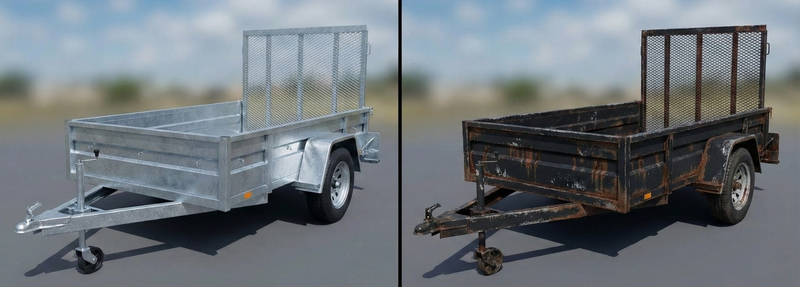
  • Rust-Resistant Materials: Galvanized construction stands up to Canadian weather year-round.
  • Reinforced Structure: Corner posts and triple-tube tongues add extra strength where it counts.
  • Practical Features: Tie-down rails, LED lighting, and loading gates make your job easier.
The best utility trailers are built to last for years, not just seasons. That's exactly what you get with a One Sixteen.

High Payload and Durability

One of the biggest reasons contractors love One Sixteen is their impressive payload capacity. Many 16-foot models feature dual 3,500 lb axles and a GVWR of 7,000 lbs. That means you can haul over 5,500 lbs in a single trip.That kind of capacity matters on the job site. You can load up your skid steer, pile on building materials, or stack equipment without worrying about exceeding your trailer's limits.Here's what makes One Sixteen stand out for heavy-duty use:
  • Dual 3,500 lb axles for a total GVWR of 7,000 lbs.
  • Payload capacity over 5,500 lbs — enough for most contractor needs.
  • Built tough to handle heavy machinery, tools, and materials.
  • Designed for daily use without wearing down quickly.
When you're running a busy operation, you need equipment you can count on. A One Sixteen trailer gives you the strength to keep moving without slowing down.

Built to Last in Any Weather

Canadian weather can be tough. Between freezing winters, spring thaws, and wet summers, your equipment takes a beating. That's why the materials and construction of a trailer matter so much.One Sixteen trailers are built with galvanized frames, making them naturally rust-resistant. You don't have to worry about corrosion creeping in after a few seasons of heavy use. Beyond the material, these machines also feature reinforced corner posts and heavy-duty, triple-tube tongues. These design details add serious strength to the frame, keeping everything solid even when you're hauling a full load over rough terrain.The bottom line? A One Sixteen isn't just built for today — it's built for the long haul. You're making an investment that will pay off season after season, job after job.Maximized Efficiency and Organization

Maximized Efficiency and Organization

Time is money when you're running a contracting business. The less time you spend loading, unloading, and searching for tools, the more productive your day becomes. One Sixteen are designed to help you work smarter.With 16" on-centre floor and wall reinforcements, these machines offer solid support for even your heaviest loads. Tie-down rails give you secure anchor points to keep equipment from shifting during transport. That means less time re-securing loads and more time focused on the job.Here's how One Sixteen helps you stay organized on the go:
  • Tie-down rails keep tools and equipment locked in place.
  • 16" on-centre reinforcements provide a sturdy, reliable floor.
  • Smart layout reduces the number of trips you need to make.
When everything has a place and stays in that place, your whole operation runs more smoothly. That's the kind of efficiency a well-designed trailer brings to your workday.

Enhanced Functionality for the Job Site

A great trailer does more than just carry a load; it works with you. One Sixteen versions come with a range of functional features that make loading, unloading, and working on-site much easier.Many models include mesh loading gates, which allow you to load equipment from the rear quickly and securely. LED lighting improves visibility in low-light conditions, so early morning starts and late finishes aren't a problem. Some models also offer enclosed cargo options with Drymax floors, giving you a dry and protected space for your more sensitive equipment and tools.These features aren't just nice to have — they make a real difference in how efficiently you can work. When your trailer is set up with the right options, you spend less time dealing with logistics and more time focused on the project at hand.

Easy Loading and Handling

Despite its large capacity, One Sixteen is surprisingly easy to work with. A low deck height makes loading and unloading equipment much simpler — you don't need a ramp system or extra crew members just to get your machinery onto the trailer.This is especially helpful when you're working alone or with a small team. You can get your equipment loaded quickly and get moving without a lot of extra effort. And when you have a lot to do, every minute counts.On the road, these machines handle well too. The design keeps things manageable even when you're fully loaded, so you can navigate job sites and tight turns without stress. For a contractor who's already juggling a full schedule, that ease of handling makes a big difference at the start and end of every day.

Designed for Local Needs

When working in Ontario, it's important to consider the specific challenges and needs of the area. The local climate plays a big role in how you approach your job. For example, [extreme heat, heavy rain, snow, or other regional weather patterns] can affect materials, timelines, and equipment use. Our trailers are tough enough to handle these conditions, so you can keep things running smoothly even when the weather isn’t on your side.Local building styles are another key factor. Whether it’s modern urban designs, traditional homes, or industrial buildings specific to Ontario, you need tools that work with the unique demands of these builds. Our trailers are versatile, helping you manage materials and equipment no matter what the project looks like.Additionally, regional regulations can impact how you work. Ontario requires compliance with specific weight limits, emissions regulations, or other local rules. Our designs are built to help contractors meet these requirements without overcomplicating their workflow.Seasonal challenges, such as frozen ground in winter, mud in spring, or other seasonal hurdles, can also make jobs tougher. These trailers are built to endure all kinds of conditions, so you’re ready for anything the seasons throw your way.Finally, we understand the common issues faced by contractors in Ontario. From navigating narrow streets in older neighbourhoods to transporting heavy materials over rough rural roads, our products are designed to make your workday easier, saving you time and stress.By addressing the specific needs of our local clients, we provide solutions that truly fit the area, strengthening your ability to deliver excellent work on every project.

How to Choose the Right One Sixteen Trailer

Not all One Sixteen are the same. Different models are built for different types of work and hauling needs. Taking a little time to compare features, materials, and weight ratings will help you choose the right trailer for the jobs you do most often. Here's what to think about before you buy:
  • Payload Needs: Know how much weight you typically haul and choose a trailer rated above that amount. This gives you a safety margin and helps prevent overloading. A properly rated trailer also performs better and lasts longer.
  • Construction Material: Galvanized is often the best choice for Canadian climates because it resists rust. Snow, rain, and road salt can quickly damage untreated metal.
  • Features: Think about which add-ons will make your daily work easier. Options like tie-down rails, loading gates, and LED lighting can improve both safety and efficiency. Choosing the right features helps you get more value from your trailer.
  • Warranty and Support: A good trailer should come with reliable warranty coverage. This gives you protection if something goes wrong after your purchase. Strong customer support also means you can get help or parts quickly when needed.
Taking time to match the right trailer to your needs means you'll get more out of your investment from day one.

Frequently Asked Questions


What is a One Sixteen trailer?

A One Sixteen trailer refers to a 16-foot utility trailer. The name highlights the trailer's length, which is one of the most popular sizes for contractors due to its balance of capacity and maneuverability.

How much weight can a 16-foot utility trailer carry?

Many 16-foot trailers feature dual 3,500 lb axles with a GVWR of 7,000 lbs, allowing for a payload of over 5,500 lbs. Always check the specific model's rating before loading.

Are glavanzied trailers better than steel trailers for Canadian climates?

Yes, galvanized trailers are rust-resistant, making them a strong choice for Canadian weather conditions. They hold up well through wet seasons and road salt exposure without corroding.

How do I secure a load on a utility trailer?

Use tie-down rails and rated tie-down straps to anchor your equipment. Proper tie-down points and load-securing techniques reduce the risk of shifting during transport.

What maintenance does a utility trailer need?

Regular maintenance includes checking tire pressure and condition, inspecting lights, greasing the axle bearings, and checking the hitch and safety chains before each use.

Can I use a One Sixteen trailer for landscaping and construction work?

Absolutely. The payload capacity, low deck height, and organizational features of a One Sixteen trailer make it well-suited for both landscaping and construction applications.

Ready to Find Your Perfect Match?

One Sixteen trailers are built for hard-working contractors who need reliability every single day. These trailers are tough, with high payload capacities and durable galvanized frames that won’t rust. They’re also packed with features to make your job easier, like advanced on-site tools and smart designs that save you time. No matter the task at hand, these trailers are made to handle it all.At McFarlane Trailers in New Hamburg, Ontario, we take pride in offering trailers that meet the needs of real-world contractors. Our team has the expertise to help you find the perfect fit for your work. Whether you’re hauling materials, equipment, or tools, we’ll guide you through our options and highlight the features that work best for your needs. We understand your time is valuable, and we’re here to make the process smooth and straightforward.Visit us in person to see our selection of One Sixteen trailers or contact our knowledgeable team to learn more. Choosing the right trailer is an important step in making your work more efficient and productive. At McFarlane Trailers, we’re committed to helping you invest in equipment that works as hard as you do. We look forward to helping you find your perfect match! 

How to Load and Secure Equipment in an Enclosed Trailer

 How to Load and Secure Equipment in an Enclosed TrailerLoading and securing equipment in an enclosed trailer the right way keeps your gear safe, protects other drivers on the road, and helps you avoid costly damage. The process comes down to a few key principles: distribute your weight properly (about 60% toward the front and 40% toward the rear), place heavy items low and centred, push cargo against the front wall, and strap everything down using heavy-duty tie-down straps connected to solid anchor points like E-tracks or D-rings.It sounds simple, but a lot of people skip steps, and that's when things go wrong. Shifting cargo, blown tyres from overloading, and even rollovers can all happen when a load isn't secured correctly.At McFarlane Trailers in New Hamburg, Ontario, we work with customers every day who want to get more out of their enclosed trailers, such as Enbeck, Pace, and Rocklyn. That starts with knowing how to load them properly.In this blog, we'll walk you through exactly how to load and secure equipment in an enclosed trailer, step by step. Whether you're hauling tools, machinery, or landscaping gear, these tips will help you do it right every time.

How Do You Secure Items in an Enclosed Trailer?

You secure items in an enclosed trailer by attaching heavy-duty ratchet straps to fixed anchor points like E-track rails or D-ring tie-downs and pulling them tight over or around your cargo. The goal is to stop everything from shifting forward, backward, or side to side while you're moving.Beyond the straps, you also need to think about where you place items before you strap them down. Heavy equipment should sit low on the floor and be pushed forward against the front wall. Lighter items go on top or toward the rear. When cargo is loaded and positioned correctly first, your straps do their job much more effectively.

Start with the Right Equipment

Before you load anything, make sure you have the right tools for the job. Using the wrong gear or worn-out gear can turn a simple haul into a dangerous one.Here's what you'll want to have on hand before you start loading:
  • Ratchet Straps: Heavy-duty ratchet straps are the most reliable option for securing equipment. Choose straps with a working load limit rated for at least the weight of your cargo. Inspect them before every use and replace any that show signs of fraying or wear.
  • E-Track Rails or D-Rings: These are your anchor points. E-track systems run along the walls or floor of your enclosed unit and let you attach straps at multiple positions. D-rings are bolted to the floor and work well for heavier equipment.
  • Wheel Chocks: If you're hauling wheeled equipment like lawnmowers, ATVs, or carts, wheel chocks stop them from rolling during transit.
  • Cargo Bars or Shoring Beams: These adjustable bars brace against the walls of your enclosed unit and create barriers to keep cargo sections separated and stable.
  • Corner Protectors: These go under your straps where they make contact with sharp edges, protecting both your gear and your straps from damage.
Having these tools ready before you load saves time and makes the whole process smoother.

Balance the Weight Before You Load

Weight distribution is one of the most important parts of loading an enclosed trailer — and one of the most overlooked. A poorly balanced load can cause swaying, fishtailing, or even a dangerous loss of control on the highway.The general rule is to place about 60% of the total weight toward the front of the unit (the end closest to your tow vehicle) and keep the remaining 40% toward the rear. This keeps your tongue weight in a safe range, which helps your tow vehicle stay stable and steer properly.You also want to think about side-to-side balance. Try to distribute weight as evenly as possible from left to right. A load that's heavy on one side can create a pulling or swaying effect that's hard to correct once you're moving.Before you load a single piece of equipment, take a moment to plan where everything will go. Think about the weight of each item and where it fits within that 60/40 split. A few minutes of planning up front can prevent a lot of problems on the road.Balance the Weight Before You Load

Place Heavy Items Low and Centred

Once you know your weight distribution plan, start loading your heaviest items first. Place them as low as possible on the floor of the unit, and try to keep them centred from side to side.Keeping heavy equipment low is important because it lowers the overall centre of gravity. A high centre of gravity makes any vehicle — including your tow vehicle and the unit behind it — more likely to tip during sharp turns or sudden manoeuvres.Push your heavy equipment as close to the front wall as possible. When you brake suddenly, the cargo wants to keep moving forward. Items that are already against the front wall have nowhere to go, which reduces the stress on your tie-down straps and prevents cargo from smashing into each other.For very heavy items like compact machinery or generators:
  • Load them first, before anything else.
  • Keep them flush against the front wall.
  • Centre them between the left and right walls.
  • Strap them down before adding anything around them.
Once your heaviest items are in place and secured, you can fill in around them with medium and lighter gear.

Use Tie-Down Points Properly

Your tie-down points are only as good as how you use them. Attaching a strap incorrectly — or to a weak anchor point — can cause a complete securing failure while you're on the road.Always attach your straps to rated anchor points. E-track systems and D-rings that are bolted to the frame of your unit are your safest options. Never wrap straps around light fixtures, wall panels, or other parts of the unit that aren't designed to hold load weight.When attaching straps, angle them so they pull down and inward on the cargo from multiple directions. This creates tension that resists both vertical bounce and horizontal sliding. For large or heavy items, use at least two straps — one on each side — to create balanced restraint. For longer pieces of equipment, follow the general rule of one tie-down for every 10 feet of cargo length, with a minimum of two straps regardless of size.After strapping everything down, give the cargo a firm shake. If anything moves, tighten your straps or add more. Don't leave for the road until nothing shifts.

Stack Cargo the Smart Way

Not all loads sit flat on the floor. Sometimes you need to stack items, and doing it safely takes a bit of thought.The basic rule is simple: heavier items go on the bottom, lighter items go on top. Stacking a heavy piece of equipment on top of something fragile or unstable is a recipe for damaged gear and a shifted load.Here are a few more tips for smart stacking:
  • Make sure the bottom items are fully secured before stacking anything on top of them.
  • Keep stacked loads as low as possible to avoid raising your centre of gravity.
  • Use moving blankets or padding between items to prevent scratching and shifting.
  • If stacked items are tall, add a strap over the top of the stack to prevent it from tipping sideways.
Avoid stacking items loosely or in ways that could collapse during braking. When in doubt, lay something flat on the floor instead of standing it upright.

Do a Safety Check Before You Hit the Road

Before you pull out of the driveway, take five minutes to do a full safety check. This is one of the easiest ways to catch a problem before it becomes a real issue.Walk around your loaded unit and check:
  • All straps are tight with no slack.
  • Ratchet mechanisms are locked in place.
  • Anchor points show no signs of bending or stress.
  • The rear doors close and latch properly with no cargo pressing against them.
  • Nothing is loose, sticking out, or shifting when you push on it.
After the first 10–15 kilometres on the road, it's worth pulling over to check your straps again. Cargo tends to settle during the first stretch of a trip, and straps can loosen slightly as things shift into place. A quick re-tightening early on can prevent a bigger problem later.On long hauls, check your tie-downs every few hours. Weather, road vibration, and temperature changes can all affect strap tension over time.

Securing Cargo in Your Region: Local Tips for Safety

When transporting cargo in our local region, it's essential to consider how the climate impacts your load. For example, extreme temperature shifts common in certain seasons can cause straps to expand or contract, potentially loosening your tie-downs. Rain, snow, or ice can also add moisture to equipment, which might lead to slipping or corrosion over time. Always check weather updates and prepare for these elements with weather-resistant gear and proper maintenance.Local building styles and common materials used here can also affect your hauling experience. Many regional structures and tools incorporate wood, steel, or concrete, all of which require proper protection during transit. For instance, securing wooden materials might demand padding to prevent dents or scratches, while steel equipment could need extra straps to handle its weight securely on rugged terrain. Understanding these characteristics helps ensure safe and efficient transport, especially during busy construction seasons.Be mindful of regional regulations when securing cargo, as rules around tie-downs and load limits may differ compared to other areas. Failing to follow these guidelines can result in fines or, worse, unsafe conditions on the road. Additionally, seasonal challenges, such as increased road maintenance during the winter, can create hazards for drivers transporting heavy loads. Addressing common issues like these ensures compliance, safety, and efficiency while building trust with clients in our community.

Frequently Asked Questions


How many tie-down straps do I need for an enclosed trailer?

Use at least two straps for any single item, no matter the size. For longer cargo, add one strap for every 10 feet of length. Multiple straps at different angles give you the best protection against shifting.

Can I use bungee cords to secure equipment?

 No. Bungee cords stretch and lose tension over time, making them unreliable for securing equipment during transport. Always use rated ratchet straps for anything that needs to stay in place.

What is E-track and why is it useful?

E-track is a slotted metal rail mounted to the walls or floor of a trailer. It creates flexible anchor points for straps at any position along the rail, making it much easier to secure loads of different shapes and sizes.

How do I know if my load is too heavy?

Check your trailer's Gross Vehicle Weight Rating (GVWR). This is the maximum total weight it can safely carry, including the unit itself. Never exceed this limit. You can also check the axle rating to make sure the weight is distributed within safe limits.

What should I do if cargo shifts while I'm driving?

Pull over as soon as it's safe to do so. Do not try to adjust moving cargo while driving. Once stopped, re-secure everything before continuing your trip.

Is there a legal requirement for securing loads in Ontario?

Yes. Ontario's Highway Traffic Act requires all cargo to be properly secured before travelling on public roads. Unsecured loads can result in fines, and if loose cargo causes damage or injury, you may face additional liability.

Ready to Haul? McFarlane Trailers Has You Covered

Loading and securing your equipment properly doesn’t have to be difficult. By taking simple steps, you can make sure your haul is safe and worry-free. Remember to start with a plan for weight distribution, place heavier items at the bottom, and use anchor points that are rated for the load. Always double-check your setup to avoid any problems on the road. These small steps go a long way in protecting your equipment and others on the road.At McFarlane Trailers, we make hauling easier for you, such as Enbeck, Pace, or Rocklyn. Based in New Hamburg, Ontario, we offer a wide range of enclosed trailers and accessories that fit your specific needs. Whether you're moving small tools or heavy machinery, we’ve got the right solutions to help keep everything secure. Not sure what trailer or tie-down setup works best for you? Our friendly team is here to answer your questions and offer advice.Whatever you’re hauling, we’re committed to making your experience simple and efficient. Reach out to McFarlane Trailers today to find the equipment that’s right for you. We’re here to support you with safe, reliable products every step of the way.

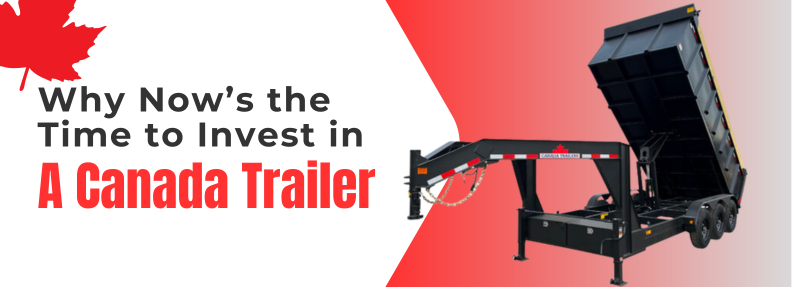
Upgrade Before the Busy Season: Why Now’s the Time to Invest in a Canada Trailer

 Upgrade Before the Busy Season: Why Now’s the Time to Invest in a Canada TrailerSpring is just around the corner, and with it comes the busy season for trailers. Now is the perfect time to make your move if you're thinking about upgrading or purchasing new equipment. By investing in a trailer before the spring rush, you can take advantage of lower prices and a wide selection while avoiding delays and frustration later. Waiting until everyone else starts shopping leads to higher costs, limited options, and the possibility of missing out on what you need most.Planning ahead means you'll be prepared when the weather warms up, ensuring your equipment is ready to meet your needs without any downtime. Whether you're tackling a big project, expanding your business, or upgrading your tools, having the right trailer on hand can make all the difference. At McFarlane Trailers in New Hamburg, Ontario, we've seen how acting early pays off for buyers year after year.Don't wait until it's too late. Take control of your spring plans today, and set yourself up for success with a reliable, high-quality Canadian Trailer. Visit us to explore our inventory, ask questions, and find the perfect fit. The sooner you act, the sooner you'll be ready for whatever comes next!

What Is the Best Time of Year to Buy a Trailer?

The best time to buy is late winter or early spring—before the demand spike hits. This window, roughly January through March, is when dealers are moving end-of-model-year inventory and are ready to offer better pricing and financing deals.Once spring rolls in, everything changes. Demand shoots up, prices hold firm, and inventory gets picked over quickly. If you need a specific model, size, or configuration, your options narrow fast. Buying early means you get the unit you actually want—not just whatever's left.Winter buyers also carry more leverage. With less foot traffic at dealerships, you're more likely to negotiate favourable financing terms and added extras. Whether you're buying for business or recreation, the math is simple: earlier purchases lead to better outcomes.

Financial Advantages of Buying Before the Busy Season

One of the biggest reasons to buy now is the money you'll save. Dealers across Canada are working to move end-of-model-year stock before new inventory arrives. That creates real opportunities for buyers who act early.Here's what you can expect:
  • Lower Purchase Prices: End-of-season sales often bring lower prices than you see during the busy season. Dealers want to move older inventory before new models arrive. Buying early can help you save hundreds or even thousands of dollars.
  • Better Financing Options: Dealers are often more flexible when they want to move units quickly. This can mean lower interest rates or better loan terms. A better financing plan can make your purchase easier to manage.
  • Higher Resale Value on Your Current Unit: Spring is a busy time for people buying used trailers and equipment. Selling before the rush can help you get a better price. More buyers in the market often means stronger offers.
You don't have to spend more to get more. Buying at the right time means your dollar goes further, and you head into the season ahead of the curve, not scrambling to catch up.

Operational Readiness: Be Ready When the Season Starts

There's nothing worse than needing equipment you don't have. When spring demand surges, lead times for new equipment can stretch out by weeks. If you're in landscaping, construction, or logistics, that kind of delay can cost you real money.Here's how buying early keeps you ready:
  • Avoid Long Wait Times: During the spring rush, equipment orders can take weeks to arrive. Buying early means your trailer is ready when you need it. You avoid waiting while others are stuck in line.
  • Prevent Costly Downtime: Equipment problems during the busy season can slow down your work. If you need to replace a trailer quickly, you may not have many options. Buying ahead helps keep your business running smoothly.
  • Hit the Ground Running: When spring arrives, you want to be ready to work. A new trailer can be prepared and loaded ahead of time. That means you start the season without delays.
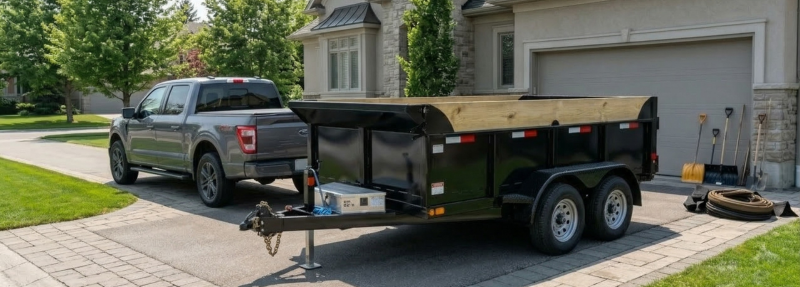
Think of it this way—the busy season doesn't wait for you to get ready. But if you plan ahead, you'll be the one leading the charge when spring finally arrives.Improved Productivity and Safety With Modern Equipment

Improved Productivity and Safety With Modern Equipment

Older equipment costs more than you think. Between maintenance, fuel inefficiency, and the risk of breakdowns, running aging units can quietly eat into your bottom line. Modern trailers are built differently—and the difference shows up every time you head out on the road.Newer models come with a range of improvements that matter on the job:
  • Modern Safety Features: Many new trailers include stronger brakes, brighter LED lights, and better frame designs. These upgrades help reduce risks on the road. Safer equipment protects both your load and your team.
  • Higher Payload Capacity: Newer trailers are designed to carry heavier loads. This means fewer trips and less fuel used during the day. Over time, that can save both time and money.
  • Greater Versatility: Many modern trailers can be customized for different jobs. You can add racks, storage, or special setups that match your work. This flexibility makes your trailer more useful throughout the year.
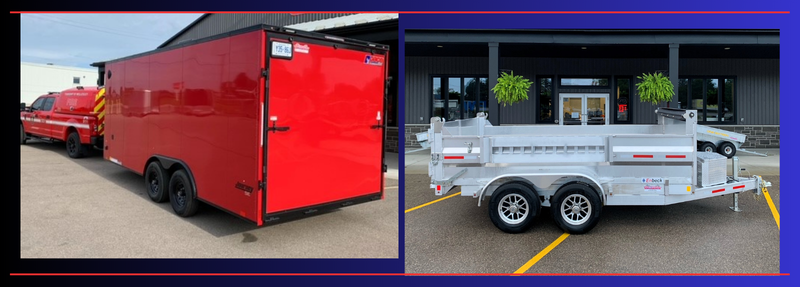
You don't have to run aging equipment just because it still functions. Upgrading gives you a safer, more efficient unit—and that pays off every single time you hitch up and head out.

Built for Canadian Conditions: Why a Canada Trailer Is a Smart Investment

Canada’s weather and roads can be tough on equipment. Snow, ice, road salt, and rough highways all put extra stress on trailers. That is why it helps to choose a trailer designed for Canadian conditions.Canada Trailers are built with strong materials and durable construction. Many models use galvanized steel that resists rust caused by road salt. This protection helps the trailer stay strong even after years of use.These trailers are also designed for real working conditions. They offer solid frames, reliable axles, and practical layouts that handle heavy loads. When your equipment is built to match the environment, it lasts longer and performs better.

How to Choose the Right Trailer for Your Needs

Not every unit is built the same. Before you buy, it helps to think carefully about what you actually need. The right choice now will save you time, money, and frustration later.Start by thinking about how you'll use it. Are you hauling equipment for a business? Towing for weekend recreation? The answer will shape everything—from size and weight rating to the features that matter most.Next, consider your tow vehicle. Every unit has a weight rating, and your vehicle needs to match it safely. If you're unsure, ask a dealer. They can walk you through what works for your specific setup.Finally, think long-term. A slightly higher upfront investment in a well-built, Canadian-sourced unit often pays off in durability, resale value, and lower maintenance costs over time. Buying quality once is almost always better than replacing a budget unit twice.

Frequently Asked Questions

Is it cheaper to buy a trailer in the off-season?

Yes. Buying in late winter or early spring typically means lower prices, end-of-model-year clearances, and more motivated dealers. You'll often find better financing terms and more room to negotiate compared to peak-season purchases.

What should I look for when buying a new trailer in Canada?

Look for a unit suited to your tow vehicle's capacity, your intended use, and Canadian weather conditions. For year-round use, consider models with added insulation and reinforced construction.

How do Canadian tariffs affect trailer prices?

With ongoing Canada-U.S. trade tensions, the cost of imported goods has risen. Buying from a Canadian dealer helps protect you from tariff-related price increases while keeping your investment in the local economy.

Can I negotiate the price of a new trailer?

Absolutely. Buying in the off-season gives you more negotiating power. Dealers are more willing to work on pricing and financing when demand is lower and inventory is moving slowly.

How long does it take to receive a new trailer after purchase?

Lead times vary by dealer and model. Buying before the busy season typically means faster delivery since demand is lower and inventory levels are at their highest.

What is the benefit of buying from a Canadian dealer?

Buying local means better after-sales support, easier warranty service, and stronger accountability. With today's trade pressures, supporting Canadian businesses also makes a real difference for the broader economy.

Ready to Roll? Let's Find Your Next Trailer

Now is the best time to get the Canada Trailer you need before the busy season begins. Right now, you have the chance to find the perfect unit with more options to choose from, lower prices, and faster delivery times. But don’t wait too long—spring is just around the corner, and that’s when demand will go up. When that happens, prices will rise, and it will be harder to find what you need.At McFarlane Trailers in New Hamburg, Ontario, we’re ready to help you make the smartest choice for your business or personal needs. Our team is here to answer your questions, show you what’s available in our inventory, and provide an easy quote process. Waiting could mean missing out on the benefits of buying early, so don’t wait until it’s too late.Contact us today to get started. We’re excited to help you prepare for the spring rush and make sure you’re ready to hit the road with the right trailer. Take advantage of this opportunity now and start the season ahead of the game.