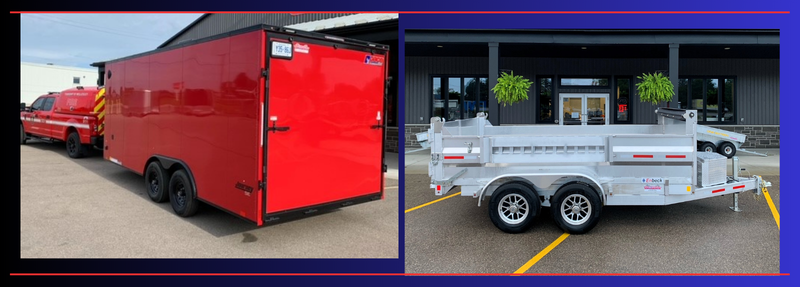
 If you're trying to decide between a galvanized or painted trailer, here's the short answer: galvanized wins in Ontario. Ontario winters are tough. Road salt, slush, and freezing temperatures hit hard from November through March. That kind of punishment can destroy a painted trailer in just a few years. A galvanized trailer, on the other hand, is built to handle exactly those conditions — and can last 25 to 30 years or more.Both options have their pros and cons. The right choice depends on how you use your equipment, where you drive, and what matters most to you: upfront cost or long-term value.In this blog, we break down the key differences between galvanized and painted trailers, so you can make a smart, confident decision. We'll cover durability, rust resistance, maintenance, cost, and best use cases. At McFarlane Trailers in New Hamburg, Ontario, we carry both options and are happy to help you find the right fit.
How Long Do Galvanized Trailers Last?
A well-built galvanized trailer can last 25 to 30 years or more, even in harsh Canadian weather. That's because the galvanizing process coats the steel in a thick layer of zinc inside and out. The zinc acts as a shield, protecting the steel from rust even when it gets scratched or chipped.Painted trailers don't have that same built-in defence. Once the paint cracks or chips, which happens quickly on rough Ontario roads, water and salt get in, and rust starts to spread. Most painted trailers begin showing serious rust damage within 5 to 10 years.For Ontario drivers who deal with road salt every winter, a galvanized trailer isn't just a nice upgrade. It's the smarter long-term investment. That extra protection helps the trailer stay stronger and more reliable for many years of use.Longevity in Ontario Weather
Ontario weather is one of the toughest tests any trailer can face. You deal with freezing rain, heavy snow, and road salt from fall through spring. That combination breaks down painted surfaces fast.Here's how each option holds up over time:- Galvanized Trailers Last Longer: Galvanized trailers are built for wet and salty conditions. The strong zinc coating protects the steel from rust. With basic care, many galvanized trailers last 25 to 30 years or more.
- Painted Trailers Rust Faster: Painted trailers do not have the same level of protection. Over time, the paint can crack or chip. In areas with road salt, rust may start showing within 5 to 10 years.
- Full Protection Inside and Out: Galvanized trailers are protected on every surface. The coating covers seams, welds, and hard-to-see areas. This helps stop rust from forming in hidden spots.
- Paint Only Protects the Surface: Paint only covers the outside layer of the trailer. When the paint chips, water and salt can reach the metal. Once that happens, rust can begin to spread.
Corrosion Resistance
This is where galvanized trailers truly stand apart. The zinc coating used in the galvanizing process doesn't just sit on top of the steel — it bonds to it at a molecular level. This creates what's called "sacrificial protection." The zinc corrodes first, protecting the steel underneath.With a painted trailer, there's no sacrificial layer. A scratch or chip exposes bare steel directly to water, salt, and air. Rust starts almost immediately. You might not see it at first, but it spreads underneath the surface. By the time it's visible, the damage is often already serious.Galvanized steel can even self-repair minor scratches. The zinc around the damaged area continues to protect the exposed steel nearby. That's a level of protection no paint job can match.Maintenance Requirements
One of the biggest advantages of galvanized trailers is how little work they need. You don't have to worry about repainting, touch-ups, or rust treatments. A basic rinse after a salty or muddy trip is usually all it takes to keep things in good shape.Painted trailers are a different story. To keep them rust-free, you need to:- Inspect the finish regularly for chips, cracks, or bubbling paint
- Touch up damaged areas as soon as you spot them
- Apply rust-proofing treatments each season
- Repaint the entire frame every few years if used in harsh conditions
Initial Cost vs. Long-Term Value
Galvanized trailers usually cost more at the start. However, the higher price often saves money over time. Painted trailers often need repairs much sooner.Rust repairs, new parts, and repainting can add up quickly. In some cases, a painted trailer may need to be replaced much earlier due to rust damage. These extra costs can make the cheaper option more expensive in the long run.A galvanized trailer may cost more up front, but it lasts much longer. For people using trailers year-round in Ontario, the investment is worth it. Instead of paying for repairs again and again, you get a trailer that holds up for decades.Best Use Cases: When to Choose Each Option
Not every situation calls for galvanized. Here's a simple guide to help you decide:Choose galvanized if you:- Use your trailer through the winter months.
- Drive on roads treated with salt or gravel.
- Use it for boat launching or near water.
- Need it for heavy-duty or year-round commercial work.
- Want a low-maintenance option that lasts decades.
- Only use your equipment seasonally in dry conditions.
- Store it indoors when not in use.
- Prioritize appearance and colour matching.
- Are working with a tight upfront budget and plan light use.
Why Galvanized Wins in Ontario
Put simply, Ontario roads and Ontario winters are not kind to painted steel. Road salt is one of the most corrosive substances a vehicle or trailer can be exposed to. Add in freeze-thaw cycles, mud, gravel, and moisture, and you have conditions that eat through paint in just a few seasons.Galvanized protection is different because it works at every level — visible surfaces, internal tubing, welds, and joints. These are exactly the spots where rust starts on a painted frame. You might never notice the damage until it's already serious.A galvanized trailer also holds its structural integrity longer. That means fewer repairs, less downtime, and more confidence every time you load up and hit the road. Over time, that added durability can make a big difference in both reliability and overall cost of ownership.How to Choose the Right Trailer for Your Needs
Now that you know the differences, here's how to make your decision:- Think about your climate exposure. If you're driving through Ontario winters, galvanized is a no-brainer.
- Consider how often you use it. Heavy, frequent use in tough conditions calls for better protection.
- Factor in the total cost. Don't just look at the price tag. Think about what you'll spend on maintenance and repairs over the next 10–15 years.
- Think about storage. If it lives outside year-round, galvanized protection matters even more.
- Ask an expert. Sometimes the best way to decide is to talk to someone who knows the product well.