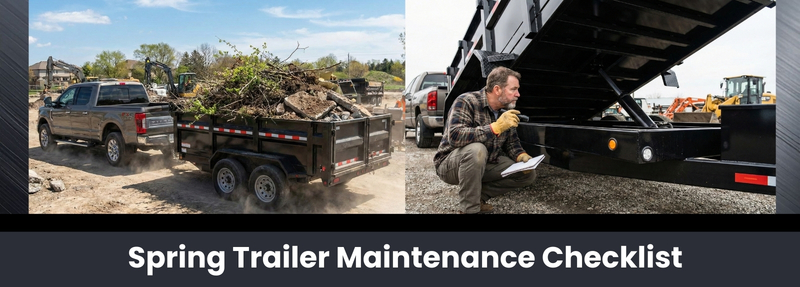
Your Spring Trailer Prep Checklist: How McFarlanes Can Get You Road-Ready

 Your Spring Trailer Prep Checklist: How McFarlanes Can Get You Road-ReadySpring is the perfect time to get your trailer back on the road. After months of winter storage, trailers can develop hidden issues that affect safety and performance. Proper spring trailer maintenance ensures your trailer is ready for towing, protecting both your equipment and your investment.Whether you haul utility trailers, enclosed cargo trailers, RVs, or powersports trailers, starting the season with a clean, inspected, and serviced trailer prevents breakdowns and costly repairs. At McFarlane Trailer Sales, our expert McFarlanes trailer service team can help with everything from a basic inspection to full maintenance, making spring prep simple and stress-free.

Inspect Trailer Tires and Wheels

Tires are one of the most critical safety components on any trailer. Winter storage, cold temperatures, and road salt can lead to flat spots, cracks, or dry rot.For safe spring towing:
  • Check tyre pressure and adjust according to manufacturer specifications
  • Inspect tread depth and replace tires with worn or uneven wear
  • Look for rust or damage on rims, especially after exposure to road salt
  • Consider wheel bearing inspection or repacking if your trailer sat unused for months
According to Transport Canada, tire failure is one of the leading causes of trailer accidents. Regular inspection significantly reduces the risk of roadside incidents and helps prevent unexpected delays during trips.

Examine Brakes and Electrical Systems

Brakes and lights often take a backseat during storage, but they are essential for safety. Even small wiring issues or worn brake components can lead to serious problems on the road.Spring checks include:
  • Test all lights, including brake, tail, turn signals, and marker lights
  • Inspect brake wiring and connectors for corrosion or fraying
  • For electric brakes, check magnets and ensure proper adjustment
  • For hydraulic brakes, inspect fluid levels and hoses
Using a trailer inspection checklist can help ensure nothing is missed. The McFarlanes trailer service team can adjust brakes or replace worn components, keeping your trailer road-ready.

Check Frame and Body for Winter Damage

Winter roads and salt can cause corrosion or structural damage. Inspecting your trailer’s frame and body prevents small issues from turning into costly repairs.Key points to check:
  • Rust, corrosion, or cracked welds on steel frames
  • Aluminium trailers for dents or scratches that may compromise weatherproofing
  • Enclosed trailer doors, hinges, and latches for smooth operation
Even minor damage can affect towing stability or allow water to enter during spring rains. A professional inspection can catch hidden issues that may be difficult to spot during a simple visual check.

Inspect Trailer Hitch and Coupler

The hitch and coupler are the connection points that keep your trailer safely attached to your tow vehicle. Neglecting them can lead to dangerous towing situations.Spring checks include:
  • Ensure the coupler locks securely onto the tow ball
  • Inspect safety chains for wear, rust, or stretching
  • Lubricate trailer jack and moving parts for smooth operation
  • Test breakaway system functionality if your trailer has one
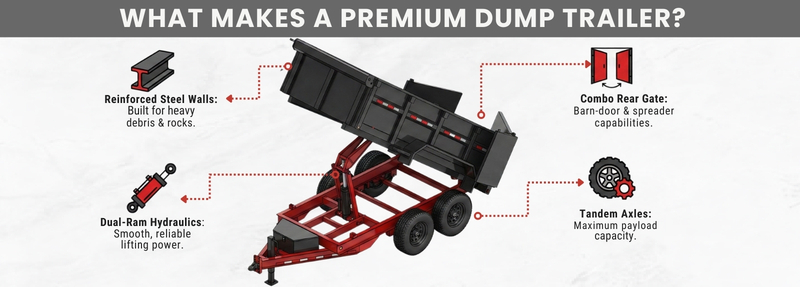
McFarlane’s trailer service team can also perform hitch alignment and recommend safety upgrades if needed, ensuring your trailer remains secure on every trip.Inspect Trailer Hitch and Coupler

Review Suspension and Axles

Suspension components can wear over winter, especially if trailers were parked on uneven surfaces or exposed to snow and ice.Checklist items:
  • Examine leaf springs, shocks, and torsion axles for wear or cracks
  • Check for bent or broken components
  • Lubricate suspension points according to manufacturer instructions
  • Verify axle alignment for smooth towing
Proper spring trailer maintenance reduces sway, improves control, and prevents additional wear on tires and brakes. This is especially important when carrying heavy loads or towing on uneven rural roads.

Clean and Maintain Floors and Cargo Areas

Floors and cargo areas can absorb moisture over winter, leading to mold, rot, or corrosion. Maintaining these areas protects both your trailer and your cargo.Tips for spring maintenance:
  • Remove debris and clean the floor thoroughly
  • Inspect for cracks, rust, or wood damage
  • Apply sealant or protective coatings as needed
  • Ensure tie-down points are intact and functional
Trailers with well-maintained floors have been shown to last up to 30 percent longer, particularly in wet climates or areas where road salt is used.

Examine Ramps, Doors, and Tie-Down Points

Ramps, doors, and tie-downs are essential for safe loading and transport. Any failure in these components can lead to accidents or cargo damage.Inspection tips:
  • Test folding ramps, side doors, and rear doors for smooth operation
  • Check tie-down rails, hooks, and straps for wear or rust
  • Replace worn components immediately to prevent failures during transport
The McFarlanes trailer service team can also upgrade tie-down systems for heavier loads or powersports hauling.

Winter Storage Lessons: Electrical and Accessories

Winter storage can impact trailer batteries, wiring, and electrical accessories. Inspecting these systems ensures everything works when you hit the road.Maintenance steps:
  • Check trailer batteries and ensure they are fully charged
  • Test interior and exterior lights, backup cameras, and onboard electronics
  • Inspect for rodent damage to wiring, hoses, or insulation
  • Update or replace accessories as needed
Using a trailer inspection checklist ensures nothing is overlooked, giving you confidence that your trailer is fully functional.

Schedule a Professional Spring Inspection

Even if your trailer looks fine, a professional inspection is invaluable. McFarlane’s service team can perform multi-point inspections, identify hidden corrosion or mechanical issues, and ensure compliance with Canadian safety regulations.Benefits of professional spring trailer maintenance include:
  • Peace of mind knowing your trailer is safe and reliable
  • Early detection of issues before they become costly repairs
  • Improved longevity and resale value of your trailer
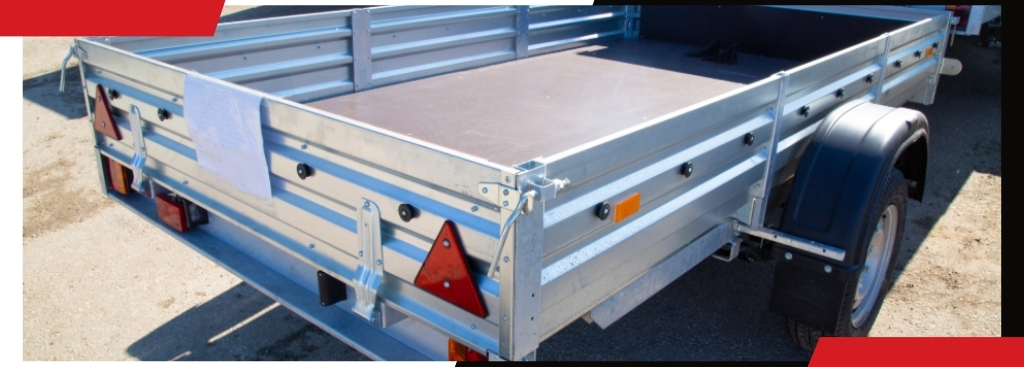
Regular maintenance by McFarlanes trailer service ensures a smooth start to your spring hauling season and reduces the risk of unexpected breakdowns on the road.

Start Your Spring Season Confident and Safe

Spring trailer maintenance isn’t just about keeping your trailer running—it’s about ensuring safety, reliability, and convenience for all your hauling needs. From tires and brakes to floors and tie-downs, a thorough inspection and maintenance routine can prevent accidents, extend trailer life, and protect your cargo.McFarlane Trailer Sales’ service department offers expert care for all trailer types and brands, from utility and enclosed trailers to RVs and powersports haulers. Combining your own maintenance with a professional inspection gives you the confidence to tackle every spring trip safely and stress-free.Investing in proper trailer preparation now ensures smoother towing, fewer headaches, and more enjoyment on the road this season. Start your spring trips knowing your trailer is truly road-ready.

Essential Maintenance Tips for Extending the Lifespan of Your Trailer Investment

 Essential Maintenance Tips for Extending the Lifespan of Your Trailer InvestmentOwning a trailer is more than just an investment; it’s a commitment to ensuring safety and durability on the road. Proper and regular maintenance can significantly boost the longevity of your trailer, ensuring it serves you well for years to come. From routine inspections to addressing wear and tear promptly, maintaining your trailer enhances its performance and keeps it in prime condition.Our team at McFarlane Trailers is dedicated to helping you get the most out of your investment. We understand the importance of extending trailer life through consistent preventative maintenance. In the sections that follow, we will dive into practical tips and guidelines on how often you should service your trailer, focusing on areas like tire care, brake systems, and regular lubrication. Let’s embark on this journey towards a well-maintained, long-lasting trailer together.

Essential Trailer Maintenance: Safeguarding Your Investment for the Long Haul

Maintaining your trailer isn't just a good practice—it's essential for ensuring safety, prolonging the lifespan, and optimizing the performance of your valuable asset. Regular upkeep can prevent minor issues from escalating into major problems, which could lead to costly repairs or unsafe driving conditions. When you invest time in consistent maintenance, you are effectively safeguarding your initial investment.Different types of trailers, such as utility trailers, travel trailers, and horse trailers, each have their own specific maintenance needs. Utility trailers might require frequent checks on securing latches and loading ramps, while travel trailers necessitate monitoring of the electrical systems and water lines. Horse trailers, on the other hand, demand extra attention to flooring and ventilation to ensure the well-being of transported animals. In essence, recognizing the unique requirements of your trailer type will help you tailor a preventative maintenance plan that keeps it performing reliably. Whether it's through routine checks or professional service visits, understanding these needs is the first step in making your trailer last as long as possible.

Routine Inspection Checklist

Creating a routine inspection checklist is paramount. Regular checks help identify potential issues before they escalate. Here's a detailed guide on what to inspect:
  • Tires: Check for proper inflation and tread wear. Ensuring your tires are in good condition is vital for safety and fuel efficiency.
  • Brakes: Inspect brake pads and discs for wear and tear. Faulty brakes can lead to dangerous situations on the road.
  • Lights: Ensure all lights, including brake and indicator lights, are functioning correctly.
  • Connections: Verify that all connections, such as hitch and safety chains, are secure.

Cleaning and Care

Keeping your trailer clean is more than just about aesthetics. Dirt and grime can lead to rust and wear, compromising the structure. Regular cleaning prevents buildup that can cause long-term damage.Use gentle cleaning products that won't harm the trailer’s materials. Focus on areas prone to rust, such as undercarriages and joints. After cleaning, ensure the trailer is thoroughly dried to prevent moisture accumulation, which can lead to rust.

Tire Maintenance

Maintaining your trailer’s tires is crucial for ensuring safety and maximizing efficiency on the road. Let’s delve into some practical tips for checking tire pressure and tread wear and identifying signs that indicate it’s time for a replacement.Regularly checking your tire pressure is fundamental. Use a reliable pressure gauge to measure and compare the readings to the manufacturer’s recommendations. Consistently maintaining the correct tire pressure can prevent uneven wear and greatly reduce the risk of blowouts, especially during long hauls.Treadwear inspection is another key aspect of tire maintenance. Proper tread depth ensures good traction, which is vital for safe handling, especially in wet or slippery conditions. Look for visible signs of damage, such as cracks, bulges, or exposed cords. These indicators suggest that the tire is no longer safe and needs replacing. Regular visual inspections can help catch these issues early, ensuring you replace tires before they pose a safety hazard.By keeping your tires in optimal condition, you not only enhance the safety of your trailer but also improve fuel efficiency, which can lead to significant cost savings over time. Well-maintained tires are essential for a smooth and secure journey, ultimately extending the overall life of your trailer.

Lubrication and Rust Prevention

Ensuring the smooth operation and longevity of your trailer involves regular lubrication of moving parts and effective rust prevention techniques. Here are some practical tips on keeping your trailer in top condition.One of the key areas to focus on is the lubrication of all moving parts, such as hinges and bearings. Regular lubrication ensures that these components operate smoothly, reducing wear and tear. Use a high-quality lubricant designed for trailers to get the best results:
  • Hinges: Apply lubricant to door hinges and other moving parts to prevent squeaking and resistance.
  • Bearings: Grease the wheel bearings periodically to avoid overheating and potential damage. Check your owner’s manual for recommended lubrication intervals.

Rust Prevention

Rust is a common enemy for trailers, particularly in regions with high humidity or where roads are salted during winter. Being proactive about rust prevention can save you from costly repairs down the line:
  • Coatings: Apply rust-resistant coatings to vulnerable areas such as the undercarriage and joints. These protective layers act as a barrier against moisture and corrosive elements.
  • Touch-Up Paint: Regularly inspect your trailer for chips and scratches in the paintwork, and touch them up promptly to prevent rust from taking hold.
  • Products: We offer a range of rust prevention products tailored to your needs, from spray-on inhibitors to specialized paints.
Maintaining Your Trailer's Electrical System for a Safe Ride

Maintaining Your Trailer's Electrical System for a Safe Ride

Keeping your trailer's electrical system in top-notch condition is essential for safe and efficient operation. Regular maintenance can help extend the lifespan of your trailer and prevent inconvenient breakdowns. In this section, we'll cover how to maintain the electrical systems, including lights and brake connections, and provide some simple troubleshooting tips for common electrical issues.Start by routinely inspecting all the wiring and connections on your trailer. Look for any signs of wear, fraying, or corrosion. Pay special attention to the lights and brake connections, as these are critical for safety. Make sure all connections are secure and shielded from the elements. Using dielectric grease on electrical connectors can help prevent corrosion and ensure consistent connectivity.For the lighting system, check all bulbs regularly and replace any that are dimming or burnt out. Clean the lenses to ensure your lights are bright and visible. For brake connections, ensure that the wiring is robust and free from damage. Test the brake lights and ensure they engage promptly when the brake pedal is pressed.When you notice issues with your trailer's electrical system, start by checking the most common culprits. If a light isn't working, check the bulb first, then the fuse. Utilize a multimeter to test for electrical continuity in the wiring if replacing the bulb doesn't fix the issue. For brake connection problems, ensure that the trailer is properly grounded. Poor grounding can cause intermittent problems that are hard to diagnose. Inspect the ground wire running from the trailer to the vehicle and make sure it is securely attached to a clean, rust-free metal surface.

Seasonal Maintenance Tips

Different seasons bring different challenges. Preparing for seasonal changes ensures your trailer remains in good condition year-round. Here’s how to prepare your trailer for various weather conditions:
  • Winter: Protect your trailer from snow and ice by using covers and applying anti-rust treatments.
  • Summer: Check for overheating issues and ensure proper ventilation.
  • Off-season Storage: Store your trailer in a dry, covered area to prevent exposure to the elements.

The McFarlane Trailers Advantage

Extending trailer life involves a few key maintenance tips. Start with regular inspections of your tires, looking for signs of wear and damage and maintaining proper tread depth to ensure safety and efficiency. Lubrication of moving parts, such as hinges and wheel bearings, reduces wear and tear while applying rust-prevention coatings can protect against harsh environmental conditions. Additionally, maintaining the electrical system by inspecting wiring, replacing bulbs, and ensuring strong connections will keep your trailer operating smoothly and safely throughout the year.If you are in the market for a new or used trailer, McFarlanes offers a diverse range of high-quality trailers designed to meet a variety of needs, from hauling heavy equipment to recreational use. Our knowledgeable team is dedicated to helping you find the perfect trailer that suits your specific requirements and budget. With our commitment to excellent customer service and extensive inventory, you can trust McFarlanes to provide the right solution for your transportation needs. Visit us today to explore our selection and discover how we can make your trailer investment a success.

Proactive Maintenance: The Key to Keeping Your Trailer in Optimal Condition

 Proactive Maintenance_ The Key to Keeping Your Trailer in Optimal Condition

Maintaining your trailer isn't just about keeping it looking shiny and new; it's a matter of performance, longevity, and, most importantly, safety. Even the most top-of-the-range trailers can present inconvenient and sometimes dangerous issues if not properly cared for.

This is why McFarlane Trailer Sales & Service, your Ontario dealer, emphasizes the need for proactive maintenance as the key to keeping your trailer in pristine condition.

In this blog, we’ll walk you through the importance of regular inspections and closely examine how proactive maintenance can save you several headaches and potential repair costs. It's about stopping small issues before they escalate into severe problems that take a toll on your time, energy, and wallet.

Recognizing potential issues early on and addressing them promptly is the hallmark of proactive maintenance. This not only enhances the performance of your trailer but also prolongs its useful life.

And guess what? All the knowledge you'll gain will empower you to keep your trailer in top-notch condition efficiently and effectively. Read on because this knowledge-packed guide is about to unravel.


What Are The Common Issues That Trailers In Ontario Typically Face?

As a trailer owner, you might wonder about the typical problems that trailers in Ontario face. Understanding these issues is the first step towards ensuring proactive maintenance and optimal performance of your property.

The issues can range from straightforward wear and tear to more specialized problems related to individual components. Incorrect tire pressure, for example, is a common issue that can lead to poor fuel economy, increased tire wear, or even a blowout. Additionally, brake failure due to worn pads, rusted discs, or low brake fluid is another regular occurrence that can be catastrophic if left unchecked.

Further, faulty lights and electrical problems caused by frayed wires, a blown fuse, or incorrect connections frequently plague trailers. It's important to inspect the lighting system to ensure all signals are functioning properly as they play a critical role in communicating with other drivers on the road. The bearings, which reduce friction and handle the pressure on the wheels, must also be regularly checked. Neglected bearings may cause the wheels to seize up, leading to costly repairs and a potential accident.

Ontario's harsh weather conditions can also lead to other problems. Freezing winter temperatures can cause water to freeze and expand within the pipes, leading to pipe rupture, while the summer heat can lead to cracks in the roof sealant or fading paint.

All these issues highlight the importance of regular inspections and proactive maintenance. Identifying these problems early on can save you from expensive repairs in the future. But remember, effective trailer maintenance goes beyond solving problems; it involves preventing them from happening in the first place.


What Are The Benefits Of Regular Inspections?

Regular inspections are crucial to maintaining your trailer in optimal condition. It's not just about looking for visible signs of wear and tear, but it's more about identifying potential issues before they become major problems. The benefits of these proactive inspections are multifold.

  • Preventive Maintenance: Catching minor problems early on can save you from costly repairs in the future. This not only saves you money but also time that you would otherwise spend on extensive repair work. By conducting regular inspections, you can ensure your trailer is always ready for the road. Proactive maintenance is an investment that pays off by keeping your equipment in tip-top shape.
  • Longevity: Regular inspections can significantly extend the lifespan of your trailer. By addressing issues promptly, you maintain the function and integrity of your parts and accessories. Proactive maintenance maximizes your trailer's potential and saves you substantial money in the long run by preventing costly repairs.
  • Safety: Regular safety checks ensure it is safe. This is particularly important for commercial trailers, which must adhere to strict industry regulations. Moreover, even personal trailers can benefit from these routine inspections as they greatly reduce the risk of on-road mishaps. Plus, safety checks rule out potential hazards that could compromise your journey's success.
  • Efficiency: Ensuring it is in top-notch condition promotes optimal performance. This includes factors such as fuel efficiency and load capacity. By investing in regular inspections and maintenance, you'll enjoy smoother, more reliable trips and save money in the long run. Concurrently, you can greatly reduce the risk of costly, unexpected repairs down the line.
 

What Are Some Practical Tips For Identifying Potential Issues Early On?

Being proactive is the best approach when it comes to maintenance. Knowing what problems to look out for and catching them before they escalate into major issues extends the life of your trailer and saves you time, effort, and funds in the long run. Here are some useful tips to help you identify potential issues early on:
  1. Inspect the tires: Tires are one of the most critical components. Regularly inspect your tires for wear and tear, proper inflation, and tread depth. Balding tires can cause poor traction and blowouts.
  2. Check the lights: Always make sure all trailer lights function correctly, including brake lights, signal lights, and marker lights. Broken or burnt-out lights can lead to costly fines and unsafe conditions.
  3. Always check brakes: Ensure the braking system is operating correctly. If your trailer pulls one way when you brake or if it pushes your towing vehicle while stopping, you need to have your brakes checked.
  4. Inspect suspension: The suspension system is key to a smooth and safe ride. Look for any signs of damaged springs, broken hangars, missing bolts, or worn bushings. Unwanted noise while driving and uneven tire wear are warning signs of suspension problems.
  5. Look at the frame: Regularly examine the frame for signs of rust, damaged welds, or cracks. These can seriously impair structural integrity.
 

How Can Proactive Maintenance Prevent Minor Problems From Escalating Into Major Repairs?

Proactive Maintenance 1

Imagine hitting the road with your trailer, only to be stopped in your tracks due to an unexpected malfunction. Scary, isn't it? But it doesn't have to be this way. Proactive maintenance is your ultra-shield against such heartbreaking situations. This approach prioritizes regular inspections and upkeep helping you identify and rectify minor issues before they snowball into major problems.

  • A stitch in time saves nine: By catching potential problems early on, you get the chance to fix them promptly—a practice that can prevent more significant, potentially costly breakdowns. Regular inspections are intrinsic to this approach, as they allow us to identify any worrisome signs before they evolve into severe issues.
 By catching small maintenance needs early, you can save yourself from more complex, costly repairs down the line. It's about taking smart, proactive measures that ensure your trailer's optimal performance and longevity. This is all part of a preventative maintenance mindset that aims to save you time, money, and unnecessary headaches.
  • Decrease downtime: Keeping up with regular maintenance diminishes the likelihood of unexpected failure, which means less downtime and more productivity. Not only will regular upkeep reduce your overall repair costs, but it also plays an essential role in extending the lifespan.

Having a well-maintained trailer means you'll be less likely to face disastrous breakdowns and the hefty costs associated with them. Furthermore, knowing that your trailer is in good condition offers peace of mind during your travels, ensuring you can focus on your core business operations without worrying about unexpected malfunctions. To guarantee optimal performance and longevity, it's crucial to remain vigilant in carrying out proactive maintenance and inspections.

  • Maintaining Optimal Performance:  In addition to preventing roadside disasters, proactive maintenance is essential in ensuring longevity and optimal performance. This involves routine parts and accessories checks, such as tires, lights, brakes, and more. Regular maintenance tasks might also include things like cleaning, lubricating, and replacing worn-out parts. Remember, the goal is not just to fix problems but to prevent them. This approach keeps your trailer in a constant state of readiness, giving you peace of mind every time you hit the road.
 

Why Choose Mcfarlane Trailer Sales & Service?

For efficient and effective proactive trailer maintenance, you need a partner who knows what they're doing. As a leading Ontario trailer dealer, McFarlane Trailer Sales & Service boasts experienced mechanics and a comprehensive suite of repair services.

Our commitment to customer satisfaction goes well beyond basic service and repair. We'll also educate you about specific equipment needs and guide you through its maintenance process to equip you with the necessary knowledge to keep it in top shape.

Ready to take a proactive approach to trailer maintenance? Contact us today to learn more about how our dedicated team can help maintain your trailer's optimal condition.

Proper Trailer Tire Usage and Storage in Winter

 Proper Trailer Tire Usage

Winters can be hard, and they can be especially challenging when you have a trailer to maintain. As the temperature drops, your trailer tires need even more care and attention to perform well and last long. However, where does one start? Luckily, you’ve come to the right place!

This blog post is designed as a comprehensive guide to help you understand the importance of proper trailer tire usage and storage during winter. The bitter cold can significantly impact the life and performance of your trailer tires. But don’t worry, with a few easy-to-follow tips, you can navigate this tricky season without any tire-related concerns.

Properly maintained trailer tires are not only a matter of financial savings but also your sincere contribution to road safety. Whether you’re a seasoned trailer owner seeking some smart hacks or a newbie looking for basics, you’ll find valuable insights and practical advice here. We will discuss common mistakes to avoid and provide you tips to ensure your trailer tires remain in top condition throughout the harshest winter weather. And remember, if you need any additional gear or accessories, McFarlane Trailers carries a variety of trailer interior accessories.

Essential Maintenance Tips For Winter Trailer Tire Usage

As winter approaches, it’s critical to prepare your trailer tires for the rigours of the season. Here are some maintenance tips that will help ensure your tires remain in peak condition, even in the harsh winter weather:

  • Inspect tires regularly: Regular checks for cuts, punctures, or unusual wear patterns can help detect potential problems before they lead to tire failure. An under-inflated or overly worn tire can be hazardous, particularly on icy winter roads.
  • Keep them clean: Cleaning your trailer tires after each use will help you spot signs of damage more easily and can help prolong their lifespan. Use a mild detergent and a soft-bristle brush to clean the entire tire surface, including the treads and sidewalls. Don’t forget to wash off any road salt, as it can cause corrosion and potential damage to the tire.
  • Balance and align: Proper tire balance and alignment prevent uneven wear, extending the life of your tires and improving towing performance and safety. Make a point of having your wheels balanced and aligned at least once each year, ideally before the onset of winter.
  • Use appropriate tire products: Tire dressing or tire shine products can help protect your tires from the elements, but always choose one suitable for use in cold weather. Some tire care products can actually harden or crack in freezing temperatures, so always read the product label carefully.

Keep in mind that proper tire maintenance isn’t a one-time event; it’s an ongoing process that should be carried out regularly. With persistence and the right care, you’ll ensure the longevity and performance of your trailer tires.

Understanding The Impact Of Low Temperatures On Trailer Tires

Low temperatures during winter months can have several effects on your trailer tires. The cold can lead to changes in your tire’s air pressure. Lower ambient temperatures cause air to contract, potentially leading to under-inflation. As the air within the tire condenses, it takes up less space, and the tire’s pressure decreases. Under-inflated tires can negatively affect your trailer’s fuel efficiency, handling, and tire wear, in addition to increasing the risk of a tire blowout.

Proper Inflation: The Key to Tire Longevity

Do you want your tires to last and save yourself from unnecessary repair or replacement expenses? Here’s what you need to know:

  1. Always Check Tire Pressure: Remember to consistently verify the pressure level of your tires, particularly in cold weather conditions. A hearty change in weather can cause a dramatic decrease in tire pressure.
  2. Maintain the Recommended Tire Pressure: Refer to your vehicle’s user manual for the correct tire pressure details. Always ensure your tires are inflated to that recommended number to achieve maximum safety and performance.
  3. Use a Quality Tire Pressure Gauge: An accurate tire pressure gauge is a must-have item for every trailer owner. It helps you accurately measure your tire’s pressure and maintain its optimal level.
  4. Fill Up on Cold Tires: It’s best to inflate your tires when they are cold, ideally in the early morning or after the trailer has been idle for a few hours, to get the most accurate measurement.

Pay attention to your trailer tires, keep them properly inflated, and they will serve you well wherever your journey may lead during the cold winter months.

How To Store Your Trailer Tires During Winter

Proper tire storage is a non-negotiable part of winter care for your trailer. When not road-bound, your trailer’s tires need optimal conditions to avoid damage from winter’s brutal chill and potential dry rot. To guarantee the longevity and performance of your trailer tires, heed these tire storage tips during winter.

Firstly, clean the tires properly before stowing them away. Use soapy water to clear away any dirt or grime that has accumulated on the tires, then dry them off thoroughly. Dirt and grime left on tires can degrade the rubber over time, particularly in fluctuating winter temperatures.

Next, consider the importance of tire covers. These handy tools shield your trailer’s tires from UV rays and the elements, preventing premature aging. In addition, covers can decrease the rate of oxidation, hence maintaining the tire’s integrity. At McFarlane, we offer an array of trailer tire covers suitable for winter storage.

When storing, aim to reduce the load on your tires as much as possible. The mode of storage matters too. Ideally, you should store your tires in a cool, dark place away from daylight and direct sunlight. The temperature of your storage space should also be consistent and reasonably cool to prevent the rubber from developing cracks. Highly volatile storage environments could quickly degrade your tires.

Lastly, if you can, store your tires in a vertical position. Horizontal storage can lead to flat spots, especially if the tires retain a portion of the load from the trailer during storage.

Common Mistakes to Avoid 

A common mistake when storing trailer tires for winter is neglecting to check the pressure periodically. Tires can lose pressure over time and more rapidly in colder temperatures even when not in use. Another misstep is storing your trailer with the parking brake engaged, which can cause the brake pads to freeze to the drums or discs.

Keeping your trailer tires in top condition isn’t complicated—it just requires a bit of diligence and attention to detail. Following these tips will ensure your trailer tires are ready to roll once the weather begins to warm up.

Common Signs Of Tire Damage In Cold Weather

If you are using your trailer in the winter months, familiarizing yourself with the common signs of tire damage brought about by low temperatures is essential. This knowledge will enable you to promptly address any tire issues and prevent further damage.

Cold Crack Damage: This is one of the most common types of winter tire damage. Cold crack damage happens when the temperature drops so significantly that the rubber in your tires begins to stiffen and crack. Signs of cold crack damage include tiny splits or ‘checks’ in the sidewall rubber and, in severe cases, can progress to larger cracks.

Pressure Loss: Exposure to cold weather leads to a reduction in tire pressure. While some fluctuation in tire pressure is normal as temperatures change, consistent and sharp loss of pressure can indicate a problem. Keep an eye out for visibly deflated tires and an increased tendency to swerve or pull to one side.

Increased Wear: Cold temperatures can cause tires to harden and become less flexible, leading to increased wear, especially if you’re frequently driving on icy or rough surfaces. You may notice that tread depth decreases more quickly or uneven wear patterns develop.

Remember: Regular inspection of your trailer tires is a must, even more so during winter. Any changes in your tires' performance, looks, or feel should be closely monitored to catch potential damage early on and ensure maximum tire longevity.

Tire Damage SignWhat to Look ForWhat To Do
Cold Crack DamageTiny splits in the sidewall rubber, larger cracks.Seek professional inspection or replacement as necessary.
Pressure LossVisibly deflated tires, tendency to swerve or pull to one side.Maintain proper tire inflation regularly.
Increased WearDecreased tread depth, uneven wear patterns.Monitor your tire performance and consider using tire covers when not in use.
 

Tire Care Is Critical In Winter Months

In conclusion, proper trailer tire care during winter is critical. It encompasses a good understanding of how low temperatures affect your tires, maintaining proper inflation for increased tire longevity, following essential maintenance precautions when using your trailer, and knowing the best methods to store your trailer tires in colder months.Avoiding common mistakes and being able to identify signs of tire damage could be the determining factor in prolonging the life of your tires amidst frosty weather conditions. McFarlane is your one-stop shop for all your trailer maintenance needs and tire covers, providing just the ideal solution for safeguarding your trailer tires against the harsh winter.So, contact McFarlane Trailer Sales and Service to stay informed and keep your trailer tires in top-notch condition even as the mercury drops!

How Often Should You Repack Trailer Wheel Bearings?

How Often Should You Repack Trailer Wheel Bearings?

McFarlane's service department is here to help you keep your trailer safe and ready for its next job. We offer a wide range of services, including wheel bearing maintenance and repair. Many trailer owners need more information about how to pack wheel bearings on a trailer. Here we will summarize what wheel bearings do for you, how to repack trailer bearings and provide overall tips on travel trailer wheel bearing maintenance.

Wheel Bearings: A Crucial Part of Your Trailer

Wheel bearings allow the wheels to rotate freely and smoothly, which is essential for safe operation. If your wheel bearings are not properly maintained, they can overheat and fail, which can cause serious damage to your trailer. Here are some of the things that can happen if your wheel bearings are not properly maintained:

  • Overheating: If your wheel bearings overheat, they can warp or seize, which can cause the wheels to lock up. This can lead to a loss of control and a crash.
  • Failure: If your wheel bearings fail, the wheels will no longer be able to rotate freely. This can cause the trailer to become unstable and could cause an accident.
  • Damage to the trailer: If your wheel bearings overheat or fail, they could warp the axle, damage the wheel, or even tear the trailer apart.

How To Pack Wheel Bearings on a Trailer 

In order to pack wheel bearings on a trailer, you should trust a professional., Experts know how to remove the wheel and tire safely, clean the bearing, fully apply high-quality trailer wheel bearing grease, install the bearing and test it for any noise or rough friction.

  1. Remove the wheel and tire. Use a lug wrench to loosen the lug nuts and remove the wheel and tire.
  2. Clean the bearing. Use a wire brush to clean the bearing of any dirt, debris, or old grease.
  3. Apply grease. Use high-quality wheel bearing grease and apply it to the bearing races. Be sure to get grease into all of the nooks and crannies.
  4. Install the bearing. Reinstall the wheel and tire and tighten the lug nuts.
  5. Test the bearing. Spin the wheel by hand and listen for any noise or roughness. If you hear any noise, the bearing may not be properly packed.

Additional Tips for Packing Wheel Bearings

Also, consider these ideas as you seek to deepen your knowledge of travel trailer wheel bearing maintenance:

  • Use high-quality wheel bearing grease. Cheap grease will not provide the same level of protection and can lead to premature bearing failure.
  • Be sure to get grease into all of the nooks and crannies of the bearing. This will help to ensure that the bearing is properly lubricated and protected.
  • If you are not comfortable packing wheel bearings, you can take your trailer to a qualified mechanic. They will be able to pack the bearings properly and ensure that your trailer is safe to drive.

Signs That Your Wheel Bearing Needs To Be Packed

If you notice any of these signs, it is important to have the wheel bearings checked by a qualified mechanic. They will be able to determine if the bearings need to be packed or replaced.

  • Noise: If you hear a humming or growling noise coming from the wheels, it may be a sign that the bearings need to be packed.
  • Heat: If the wheels feel hot to the touch, it may be a sign that the bearings are not properly lubricated.
  • Looseness: If the wheels feel loose or wobbly, it may be a sign that the bearings are worn out.

How to Maintain Your Wheel Bearings

There are a few things you can do to maintain your wheel bearings and keep them in good working order:

  • Inspect your wheel bearings regularly. Look for signs of wear, such as excessive heat, grease, or noise.
  • Lubricate your wheel bearings regularly. Use a high-quality lubricant that is designed for wheel bearings.
  • Have your wheel bearings inspected and repaired by a qualified mechanic at least once a year.

McFarlane's Service Department Can Help

If you need help with wheel bearing maintenance or repair, McFarlane's Service Department is here to help. We have a team of experienced mechanics who are experts in trailer repair. We use only high-quality parts and lubricants. We also offer a wide range of products for trailers, including:

  • Washing chemicals
  • Lube
  • Oils
  • Wax
  • Silicones
  • Epoxy
  • Full trailer restoration
  • And more!

Contact McFarlane's Service Department Today

If you need help with your trailer, contact McFarlane's Service Department today. We'll be happy to answer any questions you have and help you get your trailer back on the road. Contact McFarlane's today to learn more about our products and services.