Mission Trailers Explained: How to Compare Models, Options, and Load Ratings

READ MORE

Mission Trailers Explained: How to Compare Models, Options, and Load Ratings

To compare Mission models, match your vehicle’s towing limits to the Gross Vehicle Weight Rating (GVWR) and payload limits. Choose between open, enclosed, or specialty aluminum units based on your cargo, then select custom upgrades like axle changes or track tie-downs to suit your specific needs.

Are you looking to haul equipment, vehicles, or outdoor gear? Finding the perfect towable unit can seem like a big task. You want to make sure your choice fits your exact cargo, weight limits, and towing vehicle. The easiest way to compare your options is to look closely at the load ratings, the model types, and the available upgrades.

When you know the weight limits, you can safely tow without stressing your truck. When you understand the model differences, you get the right shape and size for your gear. And when you look at custom upgrades, you get a hauler that feels perfectly built just for you.

Located in New Hamburg, Ontario, McFarlane Trailers offers a wide range of dependable trailers to help you find the perfect hauler for your needs. In this guide, we will explain how to compare models, options, and load ratings of Mission carriers. You will learn the simple math needed for safe towing. We will also explore the different shapes and sizes available on the market today. By the end, you will have all the knowledge needed to make a smart, safe choice for your next purchase.

What should I compare when choosing between different Mission trailer models?

When you choose between different Mission models, you should first compare the Gross Vehicle Weight Rating (GVWR) and payload limits to your tow vehicle’s capacity. After checking the weight numbers, compare the design style, such as an open utility deck versus an enclosed cargo box. Finally, look at the custom choices like axle types and tie-down features.

Comparing these key details ensures you do not buy a unit that is too heavy or too small. The weight ratings keep you safe and legal on the road. The style determines how well your gear is protected from the wind and rain.

The custom choices help you tie down your unique cargo properly. By taking the time to check all three areas, you will find the exact match for your hauling needs.

Identify Your Specific Load Ratings

Knowing your weight limits is the most important step before you buy. You need to understand a few key terms to stay safe on the road. Here are the main ratings you must check before deciding on a model.

  • Gross Vehicle Weight Rating (GVWR): The GVWR is the maximum allowed weight of the empty unit plus your cargo. You can find this exact number on the VIN or certification plate. Never load your equipment past this printed limit. Doing so can cause serious damage to the axles and frame.
  • Payload Capacity: Payload capacity tells you exactly how much weight you can safely put inside the carrier. You calculate this by taking the GVWR and subtracting the empty weight. If the GVWR is 5,000 pounds and the empty unit weighs 1,000 pounds, your payload limit is 4,000 pounds. Always weigh your gear to ensure it fits this limit.
  • Axle Configuration: Single-axle units are perfect for light utility work and small ATVs. They are highly affordable and very easy to move around your driveway. Tandem-axle setups are required for heavy load ratings, auto-hauling, and highway stability. Choose the axle setup that matches your heaviest expected cargo.

Compare Mission Trailer Models

Mission offers highly specific lines built from lightweight aluminum. This material prevents rust and keeps the overall weight down. Here are the main model types you can choose from today.

  • Open Utility Models: Open AR 2.0 or FA 2.0 models are great for landscaping or moving light yard equipment. They have no roof or walls, making them very easy to load from any side. You can quickly strap down mowers, ATVs, or building supplies. These units cost less and are very simple to maintain.
  • Enclosed Cargo Models: Enclosed haulers are designed to protect your sensitive equipment or cars from harsh weather. If you are moving heavy automobiles, look closely at the Pinnacle Car Hauler lines. The sturdy walls keep your items dry, clean, and safe from theft. They also offer a sleek look as you travel down the highway.
  • Sport and Specialty Models: The Crossover series and Enclosed All-Sport models are geared strictly towards outdoor toys. They fit ATVs, snowmobiles, and motorcycles with ease. These units feature corrosion-resistant slide-track tie-down systems built right into the floor. This makes securing your fast toys quick and entirely stress-free.

Compare Customization Options

Mission is very unique because they allow changes to its standard factory builds. You do not have to settle for a stock unit if it does not fit your goals. Here are a few ways you can modify your purchase.

  • Dimensional Changes: You can request custom lengths, widths, and interior heights for your new hauler. If you have extra-tall equipment, adding a few inches to the roof makes a huge difference. Wider decks allow you to park two machines side by side. Getting the size right means you will never struggle to fit your gear.
  • Utility Additions: You can easily compare options like upgrading to heavy-duty torsion axles for a smoother ride. Many buyers add LED lighting kits to help them see clearly during night loading. You can also incorporate heavy-duty D-rings exactly where you need them. Water-resistant, reinforced flooring is another great upgrade for wet, snowy gear.
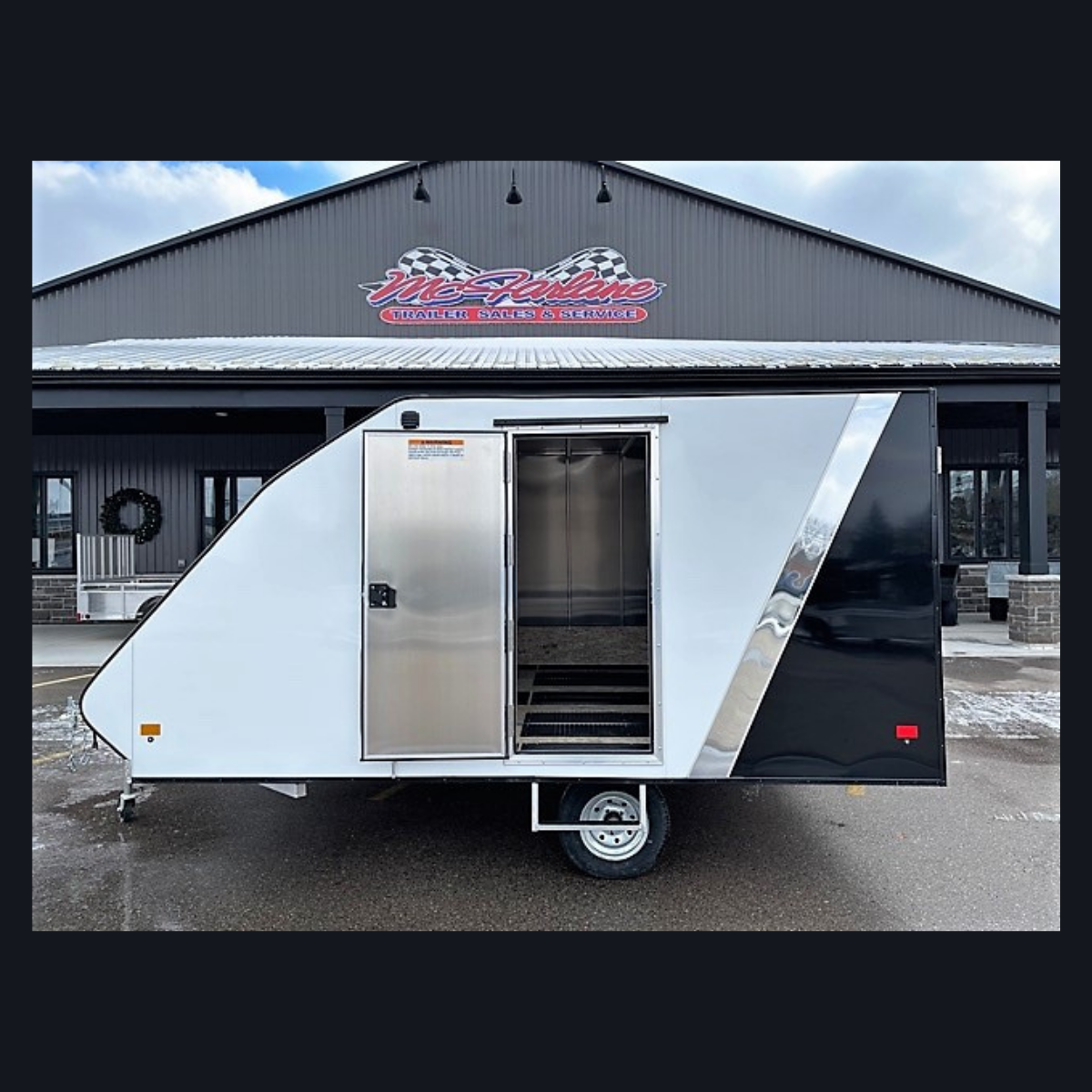
White and black travel trailer parked in a lot with its door open and steps visible, in front of a showroom building with a sign above the entrance.

How to Apply Your Comparison Math

Before purchasing, you must do some simple math to ensure safety. You have to add the empty weight of the unit to the total weight of your cargo. This combined number must be lower than or equal to the GVWR.

Next, you need to check your specific truck or SUV manual. Your vehicle’s total towing capacity must be greater than the actual loaded weight of your hauler. Never guess these numbers, as guessing can lead to dangerous swaying on the highway.

Verifying your vehicle’s exact manual prevents expensive damage to your engine and brakes. If your math shows you are too close to the limit, choose a lighter aluminum model. A lighter base weight gives you a much higher payload capacity for your heavy gear.

How to Choose the Right Hauler for Canadian Weather

Ontario weather changes drastically from hot summers to freezing, snowy winters. You need a hauler that handles these extreme shifts without rusting or breaking down. Aluminum construction is perfect here because it completely resists winter road salt.

When choosing a model, consider the harsh seasonal challenges in your local area. Enclosed units are highly recommended if you move gear during snowstorms or heavy autumn rains. They keep your tools dry and prevent ice build-up on your expensive machines.

You should also look into slip-resistant floors and bright LED lights for dark winter evenings. The right local upgrades make loading in the cold much safer and faster. Always think about the worst weather you might face before making your final choice.

Mission Trailers at McFarlane Trailers: What to Know

Mission Trailers are built to handle tough jobs while keeping your equipment safe. They come in many sizes and styles, so you can find the perfect fit for your needs. Whether you need to move tools, machines, or other gear, Mission Trailers are a reliable choice.

One of the best features of Mission Trailers is their durability. These trailers are made from high-quality materials like aluminum, which is both strong and lightweight. This means they are easy to tow while standing up to wear and tear from daily use.

At McFarlane Trailers, we help you customize your Mission Trailer to suit your needs. You can choose helpful options like enclosed storage, ramps, and interior lights. With the right setup, your Mission Trailer can make all your jobs easier and safer.

Frequently Asked Questions

What does dry weight mean?

Dry weight is the total weight of the trailer or unit when it is empty and has no additional items inside. It does not include any cargo, extra gear, or spare tires you may add later. This measurement is helpful when planning what you can safely haul with your vehicle. Always check your truck’s towing capacity alongside the dry weight to avoid overloading.

Why is aluminum better than steel?

Aluminum is much lighter than steel, which allows you to carry more cargo without exceeding weight limits. It is also resistant to rust, making it ideal for areas with snowy or wet weather where metal can corrode quickly. Although it can be more expensive initially, aluminum lasts longer and requires less maintenance. This makes it a popular choice for trailers and other hauling equipment.

Can I upgrade my axles later?

Upgrading your axles after purchasing a trailer is not easy and often costs a lot of money. The process requires specialized parts and labour, which can add up quickly. For this reason, it is best to order a trailer with the correct heavy-duty axles from the start. This ensures your trailer can handle your needs without needing major modifications later.

Do I need a brake controller?

Yes, you need a brake controller if your trailer has electric brakes. This device allows your truck’s brakes to communicate with the trailer’s brakes, making stopping safer and smoother. It ensures the braking power is matched properly between your vehicle and the loaded trailer. Without a brake controller, stopping could become dangerous, especially when going downhill or in emergencies.

How do I stop my cargo from sliding?

To stop your cargo from sliding, use heavy-duty ratchet straps secured tightly to D-rings or slide-track systems inside the trailer. These straps hold your items in place and prevent shifting during transport. Balance the weight over the axles to reduce swaying or uneven movement. Taking the time to secure your cargo properly will help keep you and other drivers safe on the road.

Start Your Hauling Journey Today with McFarlane

Figuring out load limits, comparing designs, and picking custom upgrades doesn’t have to be hard. With a little bit of planning, you can find a trailer that works perfectly for your needs. Start by thinking about the size and type of cargo you want to carry. This will help you choose the right design, whether it’s an open deck for large loads or an enclosed box to protect your items from the weather. Knowing your truck’s towing capacity is also important to make sure it can handle the weight safely.

At McFarlane Trailers in New Hamburg, Ontario, we make it easy for you. Our friendly team is here to guide you every step of the way. We’re happy to answer your questions, help with calculations, and show you different options that fit your needs. Whether you’re hauling tools, equipment, or other cargo, we have the perfect aluminum trailer waiting for you.

Stop by to look at our inventory, ask us about customizations, or give us a call for more information. McFarlane Trailers is here to help you get the job done with ease and confidence. Contact us today and find your perfect trailer!
READ MORE

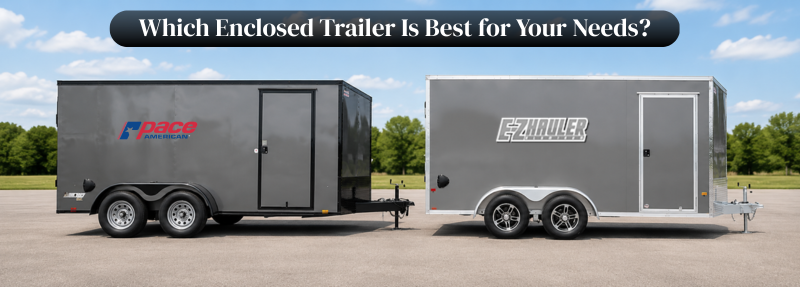
E-Z Hauler and Pace American: Which Enclosed Trailer Is Best for Your Needs?

READ MORE

E-Z Hauler and Pace American: Which Enclosed Trailer Is Best for Your Needs?

Enclosed trailers are one of the most versatile hauling solutions available for both work and recreation. Whether you need secure transportation for tools, equipment, vehicles, or recreational gear, choosing the right enclosed trailer can improve organization, cargo protection, and towing performance.

E-Z Hauler and Pace American enclosed trailers available at McFarlane Trailer Sales both offer dependable hauling solutions, but they are designed for different types of users. From lightweight aluminum trailers for recreational hauling to heavy-duty commercial-grade options, understanding the differences between these brands can help buyers find the best fit for their needs.

What Is the Lifespan of an Enclosed Trailer?

A well-maintained enclosed trailer can often last 15–25 years or longer depending on construction quality, usage, and maintenance habits. Factors such as Canadian weather, road salt exposure, hauling frequency, and storage conditions all affect trailer lifespan. Regular tire inspections, brake servicing, and cleaning help extend trailer durability. E-Z Hauler’s aluminum construction resists corrosion, while Pace American trailers are designed with rugged durability for demanding commercial hauling and long-term performance.

Understanding the Difference Between E-Z Hauler and Pace American Trailers

E-Z Hauler and Pace American trailers both provide reliable enclosed hauling solutions, but they are built with different priorities in mind. Understanding those differences can help buyers choose the trailer that best matches their work or recreational needs.

E-Z Hauler trailers are known for:

  • Lightweight aluminium construction
  • Corrosion resistance
  • Smooth towing performance
  • Fuel-efficient hauling

These trailers are popular with recreational users and small businesses because their lighter weight makes towing easier for a wider range of vehicles.

Pace American trailers are designed for:

  • Heavy-duty hauling
  • Commercial applications
  • Larger payload capacities
  • Rugged towing conditions

Their durable construction makes them ideal for contractors and commercial users who regularly transport heavy equipment and cargo.

Many buyers compare these brands because they offer different advantages. E-Z Hauler trailers prioritize lightweight towing and long-term corrosion resistance, while Pace American focuses on strength, durability, and commercial-grade performance.

Both brands are available through McFarlane Trailer Sales, giving buyers access to enclosed trailer options suited for everything from snowmobile hauling to demanding construction work. Choosing between them often comes down to towing capacity, cargo weight, and how frequently the trailer will be used throughout the year.

Why Choose an E-Z Hauler Enclosed Trailer?

E-Z Hauler enclosed trailers are a popular choice for buyers looking for lightweight, versatile, and corrosion-resistant hauling solutions. Their aluminum construction makes them easier to tow while still providing dependable cargo protection for both recreational and light commercial use.

One of the biggest advantages of E-Z Hauler trailers is reduced trailer weight. Lighter trailers can help improve:

  • Fuel efficiency
  • Towing manoeuvrability
  • Overall vehicle performance
  • Ease of loading and unloading

E-Z Hauler trailers are commonly used for:

  • Snowmobiles
  • ATVs and side-by-sides
  • Motorcycles
  • Lawn care equipment
  • Small business tools and supplies

Their enclosed design also protects cargo from:

  • Rain and snow
  • Road debris
  • Theft and vandalism
  • Harsh Canadian weather conditions

Popular E-Z Hauler features may include:

  • Rear ramp doors
  • Interior lighting
  • Tie-down systems
  • Sleek exterior finishes
  • Multiple trailer size options

Because aluminum naturally resists corrosion, E-Z Hauler trailers are especially attractive for Canadian buyers dealing with snow, moisture, and road salt exposure throughout the year.

For homeowners, outdoor enthusiasts, and smaller businesses, E-Z Hauler enclosed trailers offer a practical combination of lightweight towing, durability, and cargo security that works well for a wide range of hauling applications.


Why Choose a Pace American Enclosed Trailer?

Pace American enclosed trailers are designed for buyers who need rugged durability and dependable commercial-grade hauling performance. These trailers are built to handle demanding workloads, making them a strong choice for contractors, construction crews, and businesses transporting heavy cargo regularly.

One of the biggest advantages of Pace American trailers is their heavy-duty construction. These trailers are designed to handle:

  • Larger payload capacities
  • Frequent hauling
  • Tough job site conditions
  • Long-distance transportation

Pace American trailers are commonly used for:

  • Contractor tools and equipment
  • Construction materials
  • Commercial cargo
  • Heavy machinery
  • Vehicle hauling

Many models feature:

  • Reinforced trailer frames
  • Durable flooring systems
  • Tandem axle configurations
  • Heavy-duty suspension systems
  • Secure enclosed cargo space

The rugged design of Pace American trailers provides stability and reliability for demanding towing situations. Contractors often appreciate the additional cargo space and durable interiors that can handle constant loading and unloading throughout busy work seasons.

These enclosed trailers also offer strong cargo protection during Canadian winters and changing weather conditions, helping keep equipment and materials secure year-round.

For buyers who prioritize strength, hauling capacity, and long-term durability, Pace American enclosed trailers provide dependable performance that can handle both commercial and industrial hauling demands with confidence.

Trailer Size Considerations: Choosing the Right Fit

Choosing the right enclosed trailer size is one of the most important parts of the buying process. The ideal trailer should provide enough space for cargo while still matching the towing vehicle’s capabilities.

Smaller enclosed trailers are often best for:

  • Motorcycles
  • Lawn equipment
  • Small tool storage
  • Personal hauling needs

Medium-sized enclosed trailers work well for:

  • Contractors
  • Recreational vehicles
  • Mobile businesses
  • ATV and side-by-side transport

Larger enclosed trailers are commonly used for:

  • Car hauling
  • Commercial equipment
  • Large recreational gear
  • Bulk cargo storage

Interior height is another important consideration. Taller trailers provide:

  • Easier walk-in access
  • Additional shelving space
  • Better cargo organization
  • Room for workspace customization

Both E-Z Hauler and Pace American offer a wide range of enclosed trailer sizes to suit different hauling applications.

Buyers should also think about future hauling needs before selecting a trailer size. Purchasing a slightly larger trailer may provide additional flexibility as equipment or storage needs change over time.

The right trailer size improves loading efficiency, towing safety, and cargo organization while helping owners avoid overcrowding or unnecessary weight limitations during transport.

Aluminum vs Steel Enclosed Trailers

One of the biggest decisions buyers face when choosing an enclosed trailer is whether to select aluminum or steel construction. Both materials offer unique advantages depending on hauling needs and usage.

Aluminum trailers, such as many E-Z Hauler models, offer several benefits:

  • Lightweight towing
  • Improved fuel efficiency
  • Corrosion resistance
  • Easier maintenance

These trailers are often preferred by recreational users and smaller businesses looking for dependable towing performance without excessive trailer weight.

Steel trailers, commonly found in Pace American models, provide:

  • Greater structural strength
  • Higher payload capacities
  • Heavy-duty durability
  • Better suitability for commercial hauling

Steel trailers are often chosen for demanding work environments where heavy cargo and frequent hauling are common.

When deciding between aluminium and steel, buyers should consider:

  • Towing vehicle capacity
  • Cargo weight
  • Maintenance preferences
  • Budget
  • Frequency of use

Canadian weather conditions can also play a role in material selection. Aluminum trailers naturally resist corrosion from snow, moisture, and road salt, while steel trailers may require more maintenance to prevent rust over time.

Both materials can provide excellent long-term performance when properly maintained. The best choice depends on whether the buyer prioritizes lightweight towing or maximum structural strength.

Features To Look For in an Enclosed Trailer

The right enclosed trailer features can significantly improve convenience, cargo protection, and towing performance. Buyers should look for features that match both their hauling needs and long-term usage plans.

Security is one of the biggest advantages of enclosed trailers. Important cargo protection features include:

  • Lockable doors
  • Enclosed storage space
  • Interior tie-down systems
  • Durable wall construction

Convenience features can also make daily use easier. Popular upgrades include:

  • Rear ramp doors
  • Interior LED lighting
  • Side access doors
  • Roof vents
  • Shelving systems

For contractors and businesses, interior organization systems can help improve efficiency by keeping tools and equipment secure and easy to access.

Towing and safety features are equally important. Buyers should consider:

  • Electric braking systems
  • Tandem axle configurations
  • Stable suspension systems
  • Heavy-duty couplers

Both E-Z Hauler and Pace American trailers offer a variety of customization options depending on the intended application.

Many buyers also convert enclosed trailers into:

  • Mobile workshops
  • Recreational haulers
  • Event trailers
  • Mobile storage units

Choosing the right combination of features can improve trailer versatility while helping owners maximize cargo protection, organization, and long-term usability for both work and recreation.

Maintenance Tips for Long-Term Trailer Performance

Routine maintenance plays a major role in extending enclosed trailer lifespan and maintaining safe towing performance. Even durable enclosed trailers require regular inspections and servicing to prevent long-term wear and costly repairs.

Basic trailer maintenance should include:

  • Tire inspections and pressure checks
  • Brake servicing
  • Hitch and coupler inspections
  • Lighting system checks
  • Suspension inspections

Canadian weather conditions can be especially hard on trailers during winter months. Snow, ice, and road salt may contribute to corrosion and premature wear if trailers are not cleaned regularly.

Helpful winter maintenance practices include:

  • Washing road salt off the trailer frequently
  • Inspecting seals and roof seams for leaks
  • Lubricating hinges and moving parts
  • Storing the trailer on dry surfaces when possible

Interior care is also important. Keeping the trailer clean and dry helps protect flooring, shelving systems, and stored equipment from moisture damage.

E-Z Hauler’s aluminum construction helps resist corrosion, while Pace American’s heavy-duty frames are designed for demanding hauling conditions. Regardless of trailer type, regular maintenance improves reliability and towing safety.

A properly maintained enclosed trailer can provide dependable performance for many years while helping owners protect cargo, reduce repair costs, and maintain strong resale value over time.

Finding the Right Enclosed Trailer at McFarlane Trailer Sales

Choosing between E-Z Hauler and Pace American enclosed trailers depends on your hauling needs, towing setup, and the type of cargo you transport most often. E-Z Hauler trailers are ideal for buyers looking for lightweight towing and corrosion resistance, while Pace American trailers provide rugged durability for demanding commercial and industrial applications.

Both brands offer dependable enclosed trailer solutions designed to protect tools, equipment, recreational vehicles, and cargo throughout every season. With multiple trailer sizes, axle configurations, and customization options available, buyers can find a trailer that fits both their current and future hauling needs.

If you are ready to upgrade your hauling setup, McFarlane Trailer Sales offers a wide selection of E-Z Hauler and Pace American enclosed trailers to suit work, recreation, and commercial applications. The experienced team can help you compare trailer sizes, materials, and features to find the right one for your lifestyle, business, and budget. Contact McFarlane Trailer Sales today to explore available inventory and discover which enclosed trailer is best for your needs.

READ MORE

Darkhorse Cargo Trailers: Best Enclosed Trailer Sizes for Tools, Toys, and Gear


READ MORE

Darkhorse Cargo Trailers: Best Enclosed Trailer Sizes for Tools, Toys, and Gear

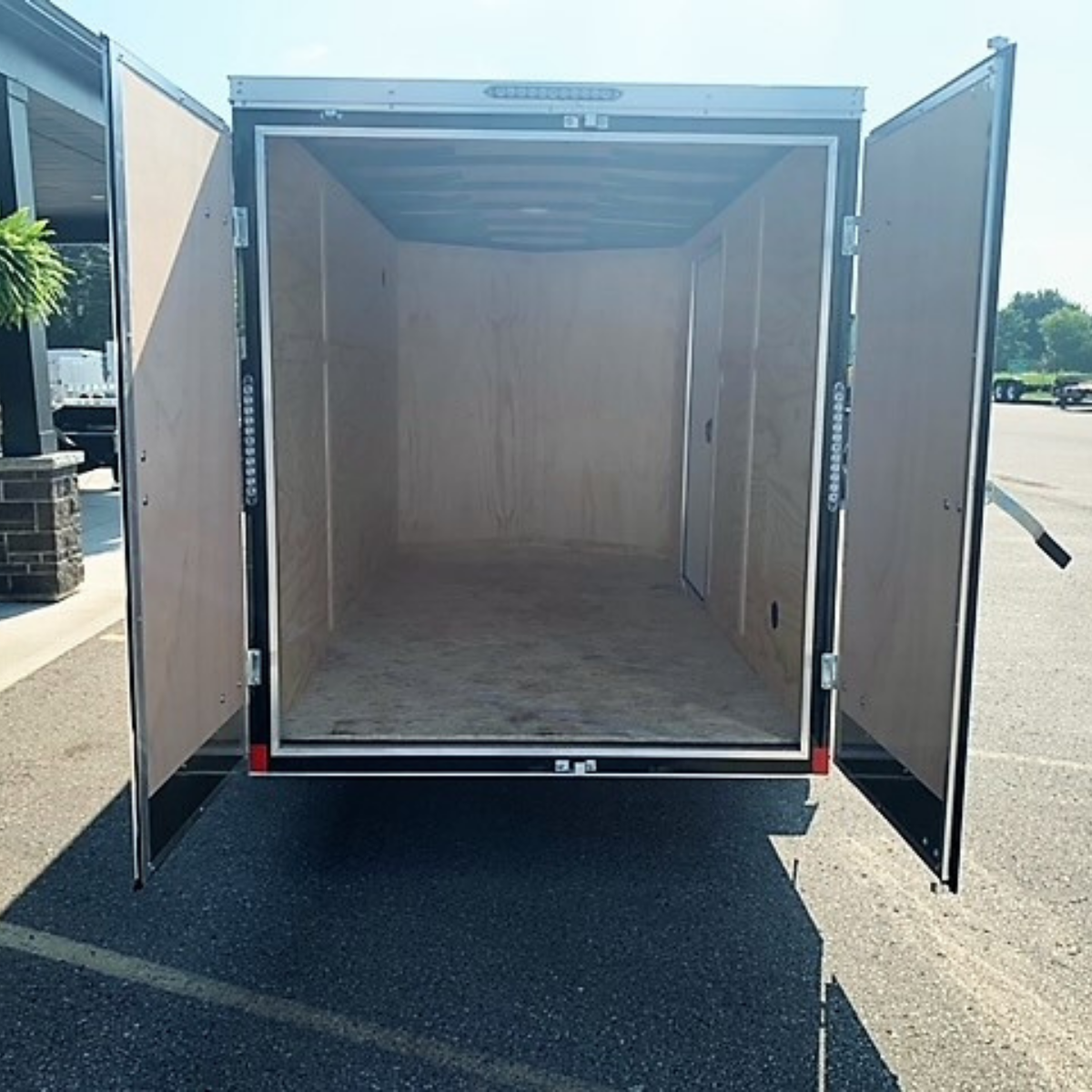
Enclosed cargo trailers have become one of the most practical hauling solutions for both work and recreation. Whether you need secure storage for tools, safe transportation for ATVs, or extra room for camping and outdoor gear, the right enclosed trailer can make hauling easier and more efficient.

Darkhorse Cargo Trailers available through McFarlane Trailer Sales are built for durability, protection, and reliable performance in Canadian conditions. With a variety of trailer sizes and configurations available, finding the right enclosed trailer depends on what you haul, how often you travel, and the features you need most.

What Is the Best Time of Year To Buy an Enclosed Trailer?

The best time to buy an enclosed trailer is often during late fall and winter when demand is lower and inventory may be more available. Spring and summer are typically busier seasons for contractors and recreational buyers, which can limit selection. Shopping earlier in the year also gives buyers more time to compare trailer sizes and features. McFarlane Trailer Sales helps customers find the right Darkhorse enclosed trailer before peak hauling season begins.

Why Choose an Enclosed Trailer?

Enclosed trailers offer protection, versatility, and security that open trailers simply cannot match. For many owners, they become essential for transporting valuable equipment, recreational vehicles, and tools year-round.

One of the biggest advantages of enclosed trailers is cargo protection. Unlike open trailers, enclosed models shield contents from:

Enclosed trailers are also incredibly versatile. They are commonly used for:

  • Contractor tools and equipment
  • ATVs and snowmobiles
  • Motorcycles and recreational gear
  • Mobile business storage
  • Event equipment and displays

Darkhorse Cargo Trailers are designed with durable construction and smooth towing performance, making them a dependable option for both personal and commercial use. Their enclosed design also allows owners to organize equipment more efficiently with shelving, tie-down systems, and interior storage accessories.

For many buyers, an enclosed trailer becomes more than just a hauling tool. It acts as mobile storage, a secure workspace, and a dependable transportation solution all in one. Choosing the right enclosed trailer can help protect investments while improving convenience and organization throughout the year.

Choosing the Right Enclosed Trailer Size

Selecting the proper enclosed trailer size depends on what you plan to haul and how much storage space you need. Choosing a trailer that is too small can create loading frustrations, while a trailer that is too large may affect towing efficiency and manoeuvrability.

Smaller enclosed trailers, such as 5×8 or 6×12 models, are ideal for:

  • Lawn care equipment
  • Small tools and supplies
  • Motorcycles
  • Personal storage

Medium-sized trailers, including 7×14 and 7×16 models, are popular for:

  • Contractors and tradespeople
  • Multiple ATVs
  • Side-by-sides
  • Mobile business setups

Larger enclosed trailers, such as 8.5×20 and larger, are best suited for:

  • Car hauling
  • Snowmobiles
  • Commercial equipment
  • Large recreational gear

Interior height also matters. Taller trailers provide easier walk-in access and additional room for shelving or cargo organization systems.

Darkhorse Cargo Trailers offer a variety of enclosed trailer sizes designed to suit different hauling applications. Buyers should also consider towing capacity, axle setup, and future hauling needs before making a final decision.

Choosing the right trailer size helps improve loading efficiency, cargo protection, and overall towing performance while giving owners room to grow as their hauling needs change.

Best Enclosed Trailer Sizes for Contractors and Tools

Best Enclosed Trailer Sizes for Contractors and Tools

Contractors rely on enclosed trailers to transport tools, equipment, and materials safely between job sites. A properly sized enclosed trailer can improve organization, increase efficiency, and help protect expensive equipment from weather and theft.

Popular enclosed trailer sizes for contractors include:

  • 6×12 trailers for smaller tool setups
  • 7×14 trailers for general contracting
  • 7×16 trailers for larger equipment and storage needs

These trailer sizes provide enough room for:

  • Power tools
  • Compressors and generators
  • Landscaping equipment
  • Construction materials
  • Shelving and workstations

Features contractors often look for include:

  • Rear ramp doors
  • Interior lighting
  • Wall-mounted shelving
  • Tie-down systems
  • Side access doors

Darkhorse Cargo Trailers are designed with durable frames and enclosed protection that make them ideal for demanding work environments. Their secure interiors allow contractors to leave tools organized and protected between jobs, reducing daily loading and unloading time.

Many contractors also use enclosed trailers as mobile workshops or storage units. This added flexibility can improve productivity while keeping equipment secure throughout the year.

Choosing the right enclosed trailer size ensures there is enough room for current equipment while still allowing space for future tools and business growth.

Choosing an Enclosed Trailer for ATVs, Snowmobiles, and Toys

Enclosed trailers are extremely popular among recreational users because they provide secure, weather-protected hauling for ATVs, snowmobiles, motorcycles, and outdoor gear. The right trailer size helps make travel safer and more convenient while protecting expensive recreational equipment.

Smaller enclosed trailers work well for:

Larger enclosed trailers are often preferred for:

  • Multiple snowmobiles
  • Side-by-sides
  • Camping equipment
  • Long-distance recreational travel

Important features for recreational hauling include:

  • Rear ramp doors
  • Interior tie-down anchors
  • Spare tire storage
  • Ventilation systems
  • LED lighting

In Canada, enclosed trailers are especially valuable during winter months because they protect snowmobiles and gear from road salt, snow, and freezing temperatures.

Darkhorse Cargo Trailers are built for smooth towing and dependable cargo protection, making them a practical choice for outdoor enthusiasts. Many owners also appreciate the added storage space for helmets, tools, fuel containers, and riding accessories.

Choosing a trailer with enough interior space allows for easier loading and unloading while helping prevent damage during transport. Whether hauling to trails, campgrounds, or racing events, the right enclosed trailer helps simplify every trip.

Payload Capacity and Towing Considerations

Before purchasing an enclosed trailer, buyers should understand payload capacity and towing requirements. Choosing a trailer that matches both the cargo weight and tow vehicle capacity is essential for safe hauling.

One of the most important ratings to understand is GVWR, or Gross Vehicle Weight Rating. This number represents the maximum allowable trailer weight, including cargo.

When calculating towing needs, buyers should consider:

  • Trailer weight
  • Cargo weight
  • Fuel and equipment
  • Additional accessories

Single axle trailers are commonly used for lighter loads and smaller enclosed trailers. They are often easier to manoeuvre and maintain.

Tandem axle trailers offer:

  • Improved stability
  • Higher payload capacity
  • Better weight distribution
  • Smoother highway towing

Darkhorse Cargo Trailers are available in both single and tandem axle configurations to suit different hauling applications.

It is also important to ensure the tow vehicle has:

  • Proper towing capacity
  • Correct hitch setup
  • Trailer brake compatibility
  • Adequate suspension support

Ignoring towing limitations can lead to unsafe handling, increased braking distances, and excessive trailer wear.

By selecting the right axle configuration and weight rating, owners can improve towing performance while helping protect both their trailer and tow vehicle during long-term use.

Features To Look For in a Darkhorse Cargo Trailer

Choosing the right enclosed trailer is about more than size alone. The features included can significantly improve convenience, durability, and cargo protection.

One of the most important factors is trailer construction. Darkhorse Cargo Trailers are built with durable materials designed to withstand demanding Canadian conditions and year-round hauling.

Key construction features may include:

  • Reinforced steel frames
  • Weather-resistant finishes
  • Durable flooring systems
  • Strong wall supports

Convenience features can also improve daily use. Popular options include:

  • Interior LED lighting
  • Side access doors
  • Roof vents
  • Ramp door upgrades
  • Custom shelving systems

Security is another major advantage of enclosed trailers. Lockable doors and enclosed cargo space help protect expensive equipment and recreational vehicles from theft and weather exposure.

For contractors and business owners, enclosed trailers can also be customized into mobile workspaces or organized storage solutions.

Darkhorse Cargo Trailers combine practical design with dependable towing performance, making them a reliable option for both recreational and commercial users. Choosing the right features helps ensure the trailer is equipped for both current hauling needs and future upgrades.

Enclosed Trailer Maintenance Tips

Regular maintenance helps enclosed trailers remain safe, reliable, and protected from long-term wear. Proper care can also extend trailer lifespan and reduce costly repairs over time.

Routine maintenance should include:

  • Tire inspections
  • Brake checks
  • Lighting system testing
  • Hitch and coupler inspections
  • Roof seal inspections

Canadian weather conditions can also affect trailer performance, especially during winter months. Snow, ice, and road salt may contribute to corrosion if trailers are not cleaned and maintained regularly.

Helpful winter maintenance tips include:

  • Washing away road salt frequently
  • Inspecting trailer seals for leaks
  • Lubricating hinges and moving parts
  • Storing trailers on dry surfaces

Interior maintenance is equally important. Keeping the trailer clean and dry helps protect flooring, shelving, and cargo storage systems.

Darkhorse Cargo Trailers are built for durability, but regular upkeep still plays an important role in long-term performance. Owners who stay proactive with maintenance often experience fewer breakdowns and improved towing reliability.

A well-maintained enclosed trailer not only protects valuable cargo but also helps preserve resale value. Simple inspections and seasonal servicing can help keep trailers operating safely and efficiently for years to come.

Finding the Right Darkhorse Cargo Trailer at McFarlane Trailer Sales

Choosing the right enclosed trailer comes down to understanding your hauling needs, storage requirements, and towing setup. Whether you need a compact trailer for tools or a larger enclosed trailer for recreational vehicles and equipment, selecting the proper size can improve both convenience and cargo protection.

Darkhorse Cargo Trailers available through McFarlane Trailer Sales are built for durability, secure hauling, and dependable performance in Canadian conditions. With a variety of enclosed trailer sizes and features available, there are options for contractors, outdoor enthusiasts, small businesses, and everyday hauling needs.

If you are ready to upgrade your hauling setup, the team at McFarlane Trailer Sales can help you compare trailer sizes, features, and configurations to find the best fit for your lifestyle or business. Explore the available inventory today and discover how a Darkhorse Cargo Trailer can help protect your tools, toys, and gear for years to come.

READ MORE

Canada Trailers Guide: Choosing the Right Utility, Equipment, or Dump Trailer


READ MORE

Canada Trailers Guide: Choosing the Right Utility, Equipment, or Dump Trailer

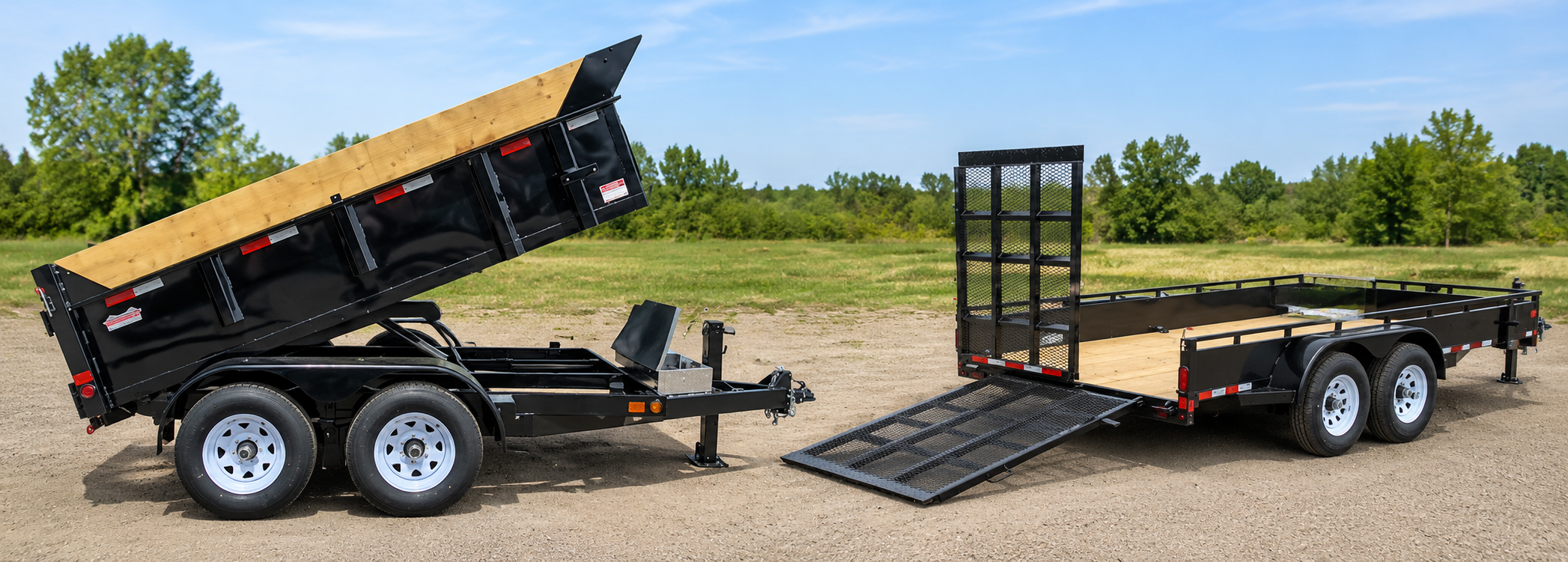
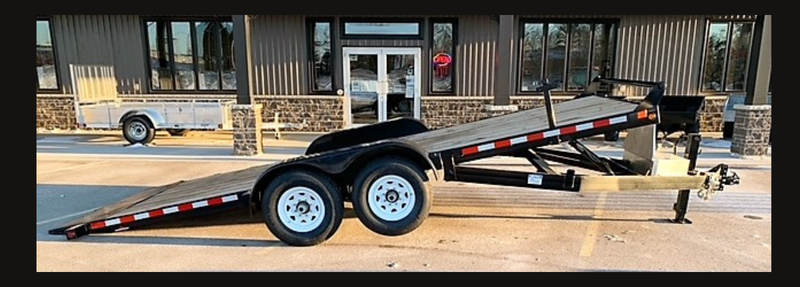
Choosing the right trailer can make a major difference in how efficiently and safely you haul equipment, materials, and recreational vehicles. Whether you are managing a farm, running a landscaping business, or tackling construction projects, the right trailer helps simplify loading, towing, and unloading while protecting your cargo on the road.

Canada Trailers available at McFarlane Trailer Sales are built for Canadian conditions and demanding workloads. From versatile utility trailers to heavy-duty equipment and dump trailers, these trailers are designed to provide durability, performance, and dependable hauling for both work and recreation.

What Are Common Problems With Dump Trailers?

Common dump trailer problems often include hydraulic failures, electrical issues, uneven tire wear, and damage caused by overloading. Rust and corrosion can also become concerns when trailers are exposed to harsh Canadian weather conditions. Regular maintenance, proper weight distribution, and choosing a well-built trailer can help reduce these issues. Canada Trailers are designed with durable construction and reliable hydraulic systems to help owners handle heavy-duty hauling with confidence and fewer long-term maintenance concerns.

Understanding the Difference Between Utility, Equipment, and Dump Trailers

Not all trailers are designed for the same type of work. Understanding the differences between utility, equipment, and dump trailers can help buyers choose the best option for their hauling needs.

Utility trailers are among the most versatile options available. They are commonly used for:

  • Lawn and landscaping equipment
  • ATVs and side-by-sides
  • Home renovation materials
  • Small machinery and tools

Their open design makes loading and unloading simple, making them popular for residential and commercial use.

Equipment trailers are built for heavier loads and more demanding applications. These trailers are ideal for:

  • Tractors
  • Skid steers
  • Mini excavators
  • Construction equipment

They typically feature reinforced frames, heavy-duty axles, and higher weight capacities for hauling larger machines safely.

Dump trailers are designed to simplify unloading bulk materials. With hydraulic lift systems, they are commonly used for:

  • Gravel and soil
  • Demolition debris
  • Firewood
  • Landscaping materials

Each trailer type serves a different purpose, and choosing the right one depends on the type of cargo, hauling frequency, and towing requirements. Canada Trailers offers durable options for a wide range of industries and applications.

How To Choose the Right Utility Trailer

Utility trailers are one of the most practical trailer options for homeowners, contractors, and small businesses. Their versatility makes them useful for everything from hauling lawn equipment to transporting recreational vehicles.

One of the first things buyers should consider is trailer size. Choosing the right dimensions helps ensure the trailer can safely accommodate cargo without becoming overloaded.

Popular utility trailer uses include:

  • Landscaping equipment
  • Motorcycles and ATVs
  • Building supplies
  • Small tractors
  • Furniture and household items

Weight capacity is another important factor. Understanding the trailer’s Gross Vehicle Weight Rating (GVWR) helps prevent unsafe towing conditions and unnecessary wear on the trailer.

Features that improve convenience and safety include:

Canada utility trailers are designed with durability and functionality in mind. Their strong construction and reliable towing performance make them a dependable choice for both personal and professional use.

For buyers who regularly haul equipment or supplies, investing in a well-built utility trailer can improve efficiency and reduce long-term maintenance concerns while providing dependable performance in Canadian weather conditions.

Choosing an Equipment Trailer for Heavy-Duty Hauling

Choosing an Equipment Trailer for Heavy-Duty Hauling

Equipment trailers are designed for transporting heavy machinery and large equipment safely. These trailers are commonly used by farmers, contractors, and construction crews who need reliable hauling solutions for demanding jobs.

Before selecting an equipment trailer, it is important to determine the total weight of the machinery being transported. Buyers should account for:

  • Equipment operating weight
  • Attachments and accessories
  • Fuel and additional cargo

Choosing a trailer with the proper weight capacity helps improve towing safety and prevents overloading.

Key features to look for include:

  • Heavy-duty axles
  • Reinforced steel frames
  • Electric braking systems
  • Adjustable couplers
  • Durable loading ramps

Many buyers also choose between bumper pull and gooseneck configurations depending on the size of their loads. Gooseneck trailers typically provide better stability and weight distribution for larger equipment.

Canada equipment trailers are designed to handle demanding workloads and rough job site conditions. Their durable construction and stable towing performance make them a practical option for transporting tractors, skid steers, excavators, and other heavy machinery.

Investing in the right equipment trailer can improve productivity while helping protect valuable machinery during transport.

What To Look For in a Dump Trailer

Dump trailers are popular for construction, landscaping, farming, and property maintenance because they simplify unloading heavy materials. Instead of manually removing debris or gravel, operators can use hydraulic systems to raise the trailer bed for quick unloading.

When shopping for a dump trailer, hydraulic performance is one of the most important considerations. Reliable lift systems improve efficiency and reduce downtime during demanding jobs.

Buyers should also consider:

  • Trailer bed size
  • Payload capacity
  • Suspension strength
  • Towing compatibility

Important dump trailer features may include:

  • Barn doors for flexible unloading
  • Combination spreader gates
  • Tarp systems for securing loads
  • Heavy-duty tires and axles
  • Reinforced steel construction

Choosing the correct trailer size is also essential. Smaller dump trailers may work well for residential projects, while larger commercial operations often require higher-capacity models for hauling bulk materials regularly.

Canada dump trailers are built to handle heavy-duty workloads while maintaining durability and towing stability. Their rugged construction makes them suitable for Canadian conditions and challenging job sites.

For contractors and property owners alike, a reliable dump trailer can improve efficiency, reduce labour, and simplify material handling throughout the year.

Trailer Towing and Safety Tips

Safe trailer towing starts with proper preparation. Whether hauling equipment, landscaping materials, or recreational vehicles, understanding towing safety can help prevent accidents and equipment damage.

Before towing, operators should always inspect:

  • Trailer brakes
  • Tires and tire pressure
  • Hitch connections
  • Safety chains
  • Trailer lighting

Weight distribution is another critical factor. Uneven loads can cause trailer sway, poor braking performance, and increased tire wear. Heavier cargo should be positioned evenly and secured properly to reduce movement during transport.

Common towing mistakes include:

  • Overloading the trailer
  • Ignoring towing capacity limits
  • Failing to secure cargo
  • Skipping routine maintenance

Drivers should also allow for increased stopping distances when towing heavy loads, especially on highways or wet roads.

Canada Trailers are designed with towing safety in mind, offering durable frames, reliable suspension systems, and stable towing performance for a variety of hauling applications.

Regular maintenance and safe towing habits not only help protect equipment but also improve trailer longevity and overall road safety. Investing time in proper trailer setup can make hauling smoother, safer, and more efficient in all types of Canadian driving conditions.

Finding the Right Canada Trailer for Your Hauling Needs

Choosing the right trailer comes down to understanding your hauling needs, towing capacity, and the type of work you plan to do. Utility, equipment, and dump trailers each offer unique advantages depending on the materials or machinery being transported.

Utility trailers are ideal for lighter, everyday hauling tasks, while equipment trailers are built for transporting larger machinery and commercial equipment. Dump trailers provide added convenience for unloading gravel, debris, soil, and other bulk materials quickly and efficiently.

When selecting a trailer, buyers should consider:

  • Payload requirements
  • Trailer dimensions
  • Towing vehicle compatibility
  • Frequency of use
  • Desired features and accessories

Canada Trailers available at McFarlane Trailer Sales are built for durability, performance, and Canadian conditions. Their reliable construction and practical designs make them suitable for farmers, contractors, landscapers, and recreational users alike.

Whether you need a versatile utility trailer, a heavy-duty equipment hauler, or a dependable dump trailer, investing in the right model can improve productivity and simplify hauling for years to come. McFarlane Trailer Sales offers a wide selection of Canada Trailers to help customers find the right solution for work, recreation, and everything in between.

READ MORE

Frontier Livestock Trailers: Stock Trailer Size Guide for Cattle, Sheep, Goats, and Pigs


READ MORE

Frontier Livestock Trailers: Stock Trailer Size Guide for Cattle, Sheep, Goats, and Pigs

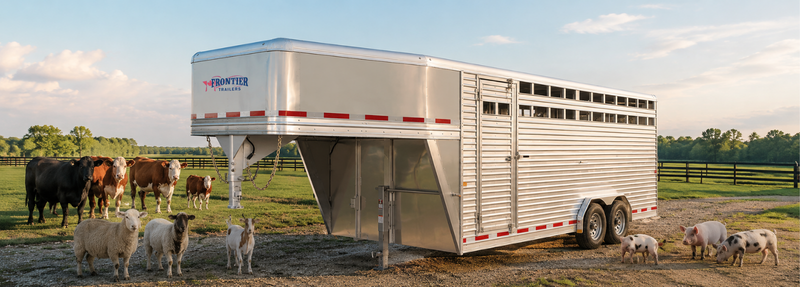
Choosing the right livestock trailer size is one of the most important decisions farmers and ranchers can make when transporting animals. Whether you are hauling cattle to market, moving goats between pastures, or transporting pigs for breeding or sale, the trailer you choose affects animal safety, comfort, and efficiency on the road. A trailer that is too small can overcrowd livestock and increase stress, while one that is too large may allow animals to shift dangerously during transport.

Frontier Livestock Trailers available at McFarlane Trailer Sales are designed with durability, ventilation, and livestock handling in mind. Their lightweight aluminum construction and practical layouts make them a reliable option for Canadian farms of all sizes.

How Many Cows Can Fit in a Stock Trailer?

The number of cows that can fit in a stock trailer depends on trailer length, cattle weight, and hauling distance. A standard 16-foot stock trailer can usually haul 4–6 adult cattle comfortably, while a 24-foot trailer may carry 8–10 head. Proper spacing is essential to reduce stress and injury during transport. Frontier livestock trailers are designed to maximize safe hauling capacity while maintaining excellent airflow and animal comfort on the road.

Why Trailer Size Matters

Livestock trailers are not one-size-fits-all. Different animals require varying amounts of space, and the right trailer size depends on the type and number of animals being transported.

Overcrowding can lead to:

  • Increased stress and overheating
  • Slipping and injuries
  • Reduced airflow and ventilation
  • Weight loss during longer hauls

At the same time, too much empty space can also create problems. Animals may shift during transport, which can affect trailer balance and increase the risk of injury. This is why choosing a trailer with the proper dimensions and divider options is so important.

Frontier Livestock Trailers are built with practical livestock handling features, including:

  • Durable aluminium construction
  • Ventilation systems for improved airflow
  • Interior dividers and gates
  • Easy-loading rear doors
  • Lightweight towing design

These features help make hauling safer and more efficient for both livestock and operators. Choosing the right trailer size also helps improve fuel efficiency, reduces unnecessary wear on the towing vehicle, and creates a smoother hauling experience overall.

Stock Trailer Sizing for Cattle

Cattle require the most trailer space out of the common livestock species. The amount of room needed depends largely on animal weight.

As a general guide:

  • Calves may require 8–10 square feet each
  • Mature cows typically need 16–20 square feet
  • Bulls and larger beef cattle may require even more space

For smaller operations, a 12–16-foot bumper pull trailer may be enough for transporting a few animals locally. Larger herds often benefit from 20–24-foot gooseneck trailers, which offer greater stability and capacity.

Gooseneck trailers are especially useful for:

  • Long-distance hauling
  • Larger cattle loads
  • Improved towing control
  • Better weight distribution

Frontier trailers are popular for cattle hauling because their aluminum construction reduces overall trailer weight without sacrificing strength. This can improve fuel efficiency while still providing a durable solution for heavy livestock transport. Producers hauling cattle regularly also benefit from interior dividers that help keep animals secure and evenly distributed throughout the trailer.

Choosing the Right Trailer for Sheep and Goats

Choosing the Right Trailer

Sheep an

d goats require less space than cattle, but ventilation and security are especially important. These animals can become stressed quickly in hot or overcrowded conditions.

A smaller trailer may work well for hobby farms or small flocks, while larger operations may prefer trailers with multiple compartments to separate animals during transport.

Important features for sheep and goat transport include:

  • Secure latches and escape-proof gates
  • Non-slip flooring
  • Proper ventilation
  • Easy-to-clean interiors

Frontier Livestock Trailers offer smooth aluminum interiors that help reduce the chance of cuts or injuries. Their lightweight design also makes towing easier for smaller trucks and SUVs commonly used on mixed farms.

For many producers, the ability to customize interior layouts with dividers is another major advantage. Separating animals by size or species can improve safety and reduce stress during travel. Proper ventilation is equally important, especially during summer hauling, as sheep and goats are sensitive to heat buildup in enclosed spaces.

Stock Trailer Considerations for Pigs

Transporting pigs requires careful attention to ventilation and temperature control. Pigs are highly sensitive to heat and can become stressed very quickly during transport.

When hauling pigs:

  • Avoid overcrowding
  • Ensure proper airflow throughout the trailer
  • Use non-slip flooring to prevent falls
  • Separate aggressive animals when possible

Smaller pig operations may only need a compact bumper pull trailer, while commercial producers often require larger multi-compartment setups.

Because pigs are heavier than many people realize, trailer weight ratings also matter. It is important to stay within the trailer’s Gross Vehicle Weight Rating (GVWR) and ensure the towing vehicle is capable of safely handling the load.

Frontier trailers are designed to handle heavier livestock while maintaining proper ventilation and structural strength, making them a practical option for pig producers. Features such as wide rear doors and low-stress loading areas can also help simplify handling during loading and unloading.

Bumper Pull or Gooseneck: Which Is Better?

The choice between a bumper pull and a gooseneck trailer often comes down to herd size, towing preferences, and hauling frequency. Both styles have advantages, and selecting the right option depends on how the trailer will be used.

Bumper Pull Trailers

Bumper pull trailers are a popular option for smaller farms and hobby operations. They attach directly to a standard hitch receiver, making them easier for many drivers to tow and manoeuvre.

Bumper pull trailers are ideal for:

  • Smaller livestock loads
  • Short-distance hauling
  • Occasional use
  • Easier storage when not in use

They are often more affordable and can work well for transporting sheep, goats, pigs, or a few head of cattle. Their compact design also makes them easier to park and store in tighter spaces.

Gooseneck Trailers

Gooseneck trailers connect to a hitch mounted in the bed of a pickup truck, which provides improved stability and weight distribution. These trailers are commonly preferred by larger livestock operations and producers hauling animals regularly.

Benefits of gooseneck trailers include:

  • Higher hauling capacity
  • Improved towing stability
  • Better handling on highways
  • Reduced trailer sway
  • More interior space for livestock

For longer trips or heavier cattle loads, gooseneck trailers often provide a smoother and safer hauling experience. They can also include additional storage space in the neck area for equipment and supplies.

McFarlane Trailer Sales offers Frontier Livestock Trailers in both bumper pull and gooseneck configurations, giving producers the flexibility to choose a trailer that matches their hauling needs and towing setup.

Features To Look For in a Livestock Trailer

Not all livestock trailers are built the same. When comparing options, producers should look for features that improve safety, durability, and ease of use.

Key features include:

  • Aluminium construction for rust resistance and lighter towing
  • Ventilation openings for airflow
  • Interior dividers for animal separation
  • Non-slip flooring for improved footing
  • Easy-loading ramps and gates
  • Durable suspension systems for smoother transport

Aluminum trailers have become increasingly popular because they resist corrosion and typically require less maintenance than steel trailers. This can be especially valuable in Canadian climates where moisture, road salt, and changing temperatures can affect trailer longevity.

How To Avoid Overloading Your Trailer

One of the most common hauling mistakes producers make is overloading the trailer. Exceeding the trailer’s weight capacity can negatively impact braking, steering, tire wear, and overall road safety. It can also place unnecessary stress on livestock, especially during longer trips.

Overloaded trailers may:

  • Increase stopping distances
  • Cause trailer sway
  • Put excess strain on axles and tires
  • Lead to uneven weight distribution
  • Increase the risk of accidents or breakdowns

To avoid overloading, producers should always check the trailer’s Gross Vehicle Weight Rating (GVWR) and compare it to the combined weight of the livestock, equipment, feed, and supplies being transported.

Helpful tips include:

  • Weigh livestock before transport when possible
  • Load heavier animals evenly throughout the trailer
  • Avoid placing too much weight near the rear door
  • Check tire pressure regularly
  • Ensure the towing vehicle is rated for the load

Using interior dividers can also help distribute weight more evenly and prevent animals from crowding one side of the trailer during transport. Frontier Livestock Trailers are designed with durable frames and balanced layouts to help producers haul livestock safely and efficiently.

Choosing the Right Frontier Livestock Trailer for Your Farm

Selecting the right stock trailer size is essential for safely transporting cattle, sheep, goats, and pigs. The proper trailer improves animal comfort, reduces stress during travel, and makes hauling more efficient for producers.

Frontier Livestock Trailers available at McFarlane Trailer Sales are built with practical livestock handling features, durable aluminum construction, and layouts designed for real farm use. Whether you need a compact bumper pull trailer or a larger gooseneck setup, choosing the right trailer size can help protect both your livestock and your investment for years to come.

READ MORE