The Benefits of All-Aluminum Trailers: Lightweight, Rust-Free, and Built to Last

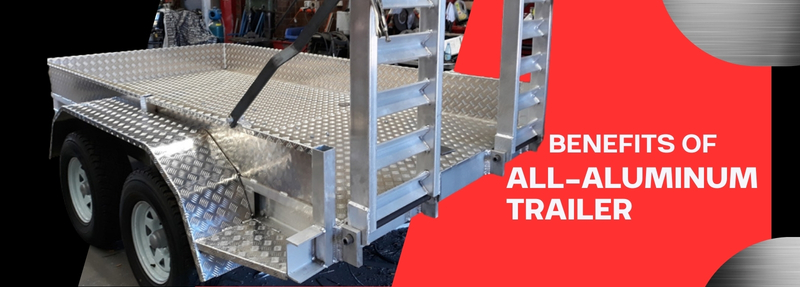
 The Benefits of All-Aluminum TrailersYou know how hard Canadian weather can be on equipment. Rain, snow, road salt, and long winters all take a toll over time. If you haul gear, materials, or machines, the type of hauling setup you choose matters more than ever. That is why many people are turning to all-aluminum trailers for everyday and heavy-duty use.When you compare options side by side, the difference becomes clear. Lightweight utility trailers made from aluminum are easier to tow, easier on your vehicle, and simpler to live with year after year. They also hold up better in harsh conditions, which makes rust-resistant trailers a smart choice for Ontario roads.At McFarlane Trailers in New Hamburg, Ontario, we help customers understand why aluminum has become such a popular option. Below, we walk through the key benefits, explain how aluminum compares to steel, and help you decide if this type of build is right for your needs.

Lightweight Design Makes Everyday Hauling Easier

You feel the difference the moment you tow an aluminum-built unit. Because aluminum weighs much less than steel, there is less strain on your vehicle from the start. This makes everyday hauling smoother, especially on long drives or uneven roads.A lighter build also improves fuel efficiency. When your vehicle pulls less weight, it uses less fuel over time. This adds up quickly if you haul often for work, recreation, or farm use. Many people notice savings at the pump within the first season.Another benefit is payload flexibility. Since the hauling unit itself weighs less, more of the allowed weight can be used for cargo. This is one reason all-aluminum trailers are popular for equipment, supplies, and materials that push weight limits.Key advantages of a lighter build include:
  • Easier towing and better handling
  • Less wear on brakes, suspension, and tires
  • Improved fuel efficiency over time
These benefits make aluminum a strong choice for both new and experienced haulers.

Rust-Resistant Construction Handles Canadian Conditions

You do not need to be told how tough Canadian weather can be. Moisture, snow, and road salt are part of everyday life for much of the year. Steel builds often show wear quickly under these conditions, especially underneath and around joints.Aluminum behaves differently. It does not rust the way steel does. Instead, it forms a thin protective layer that helps prevent corrosion from spreading. This is why rust-resistant trailers are so well-suited for Ontario use.Over time, this resistance means fewer repairs and less maintenance. You are not dealing with flaking metal, rust holes, or repeated coatings just to keep things usable. The surface holds up better, even when exposed to wet roads or stored outdoors.Why does corrosion resistance matter? 
  • Better performance in snow, rain, and road salt
  • Less long-term maintenance
  • Cleaner appearance year after year
For many buyers, this alone makes aluminum worth serious consideration.

Built to Last with Less Ongoing Maintenance

You want equipment that works when you need it, not something that demands constant attention. Aluminum builds are known for long service life because they resist common causes of failure like corrosion and warping.This durability shows up over time. Owners often find they spend less on repairs and upkeep compared to steel options. There is no need for repainting, rust treatment, or patching weak spots caused by corrosion.Even after years of use, aluminum units tend to hold their shape and strength. This makes them a strong long-term investment, especially for people who haul regularly or rely on their equipment for work.Long-term benefits include:
  • Fewer repairs caused by corrosion
  • Lower maintenance costs
  • Longer usable lifespan
When you look beyond the upfront price, aluminum often delivers better value over time.All-Aluminum Trailers

Strong Enough for Real-World Loads

You may hear that aluminum is lighter and assume it is weaker. In reality, modern aluminum alloys are engineered to handle heavy loads while staying rigid and stable. This balance of strength and weight is one reason aluminum has become so common in commercial hauling.Design matters here. Well-built aluminum frames distribute weight evenly and resist flexing under pressure. This allows them to carry equipment, materials, and cargo safely without compromising performance.Brands like Mission, Enbeck, and Canada Trailer focus on reinforced designs that work in real Canadian conditions. These builds are made for uneven terrain, frequent use, and changing loads.The result is confidence. You get strength where it matters, without carrying extra weight you do not need.

Easier Towing Improves Control and Safety

You notice better control when towing lighter equipment. Steering feels more responsive, braking distances improve, and the vehicle handles hills and corners with less effort.This matters for safety, especially in heavy traffic or poor weather. A lighter setup places less demand on your tow vehicle, which reduces stress during sudden stops or sharp turns.Better balance also reduces sway. When weight is managed properly, towing feels more stable, even at highway speeds. For many drivers, this makes hauling less stressful and more predictable.These improvements help both experienced and occasional users feel more confident on the road.

Higher Resale Value Over Time

You may not think about resale on day one, but it matters down the road. Aluminum units tend to keep their value better than steel ones because they age more gracefully.Without rust damage or structural decay, they remain attractive to future buyers. This makes them easier to sell and often commands a higher price when it is time to upgrade.This resale strength adds to the overall value equation. Lower maintenance costs and higher resale combine to make aluminum a smart long-term choice.

Popular Aluminum Brands to Know

You have more choices than ever when it comes to aluminum options. Several trusted brands focus on quality construction and features designed for Canadian use.Common aluminum brands include:
  • Mission: Known for enclosed cargo options with efficient designs.
  • Enbeck: Canadian-built units designed for tough winter conditions.
  • Canada Trailer: Focused on payload efficiency and corrosion resistance.
Each brand offers different layouts, features, and build styles. Understanding these differences helps match the right unit to your needs.

How to Choose the Right Aluminum Option

You start by thinking about how you will use it most often. Will you haul equipment, supplies, or general cargo? Different designs suit different jobs.Weight capacity matters next. A lighter frame allows a more usable payload, but axle ratings still need to match your loads. You also want to consider access features like ramps, tie-downs, and deck layout.The environment plays a role, too. If you drive year-round or store equipment outdoors, corrosion resistance becomes even more important.Choosing carefully upfront saves time, money, and frustration later.

A Smart Choice for Long-Term Use

You want hauling equipment that works with you, not against you. All-aluminum trailers offer a clear mix of strength, efficiency, and durability that fits Canadian conditions well.From easier towing to lower maintenance and better resale, the benefits add up quickly. Lightweight utility trailers and rust-resistant trailers continue to gain popularity for good reason.If you are exploring aluminum options, our team at McFarlane Trailers in New Hamburg, Ontario, can help you compare brands like Mission, Enbeck, and Canada Trailer. We focus on matching you with the right solution for how you actually haul.Contact us to learn more about aluminum options and find a setup built to last.

Helpful Ways to Winterize a Cargo Trailer

Helpful Ways to Winterize a Cargo Trailer

How To Winterize Your Cargo Trailer

Once you have purchased aluminum trailers for sale, you want to protect your investment. Winter can be hard on trailers, so what do you need to do to keep cold temperatures and precipitation from damaging your trailer? What you do to winterize your trailer depends on whether you intend to put it in storage during the winter months or keep using it for hauling all through the season.

Winterizing a Trailer That You Intend To Put Into Storage

Your trailer isn't as susceptible to winter damage when it is in storage as it is if you intend to continue using it throughout the year. Nevertheless, there are things you can do to make sure that it is ready when you take it out again in the spring.Do you know where you are going to store your trailer? Ideally, it should be somewhere inside, such as a storage shed or a garage. If you aren't able to store your trailer indoors, you can protect it from falling leaves, branches, snow, ice, sun, and wind by parking it under a roofed area, such as a carport, and covering it with a tarp.Remove any personal items as well as any supplies that could go bad and anything that could freeze or leak. For example, removing the battery and storing it in a separate place where it is exposed to consistent temperatures and can be charged as needed can keep it in good shape so that you don't have to buy a new one when winter is over.Wheel bearings, suspensions, and springs are areas of your trailer that could be susceptible to corrosion. You can prevent this by adding lubricant to these areas before putting the trailer in storage. You should perform a general maintenance check of your trailer to identify any areas of concern. Before putting your trailer in storage, you should have these issues looked at, prioritizing those that could get worse during months of inactivity.

Winterizing a Trailer That You Intend To Keep Using

If you intend to continue using your trailer for hauling throughout the winter, then winterizing it means protecting it from weather conditions as well as making sure that it is safe for you to use.Ideally, you should perform maintenance on your trailer throughout the year. Nevertheless, it doesn't hurt to perform an extra maintenance check right before winter, focusing particularly on the tires, lights, and hitch connections. If you haven't been performing regular maintenance on your trailer, you should perform a check to identify any problems that could compromise your safety before winter sets in. To prevent breakdowns, you should perform a maintenance check of your towing vehicle at approximately the same time. You are unlikely to get very far if your trailer is in exemplary condition but your towing vehicle is not.You also need to give some consideration to the cargo you intend to haul during the winter. If it is sensitive to the cold, you may need to have a heater installed in your trailer to maintain a consistent temperature for hauling. A trailer heater can also help keep you warm and comfortable if you spend time working in your trailer, but if a heater is not possible, you can at least insulate it with silver board, blue board, rugs, or curtains to make heat transfer more difficult.In addition to preparing your trailer for winter, there are also things that you need to do to keep safe on the road:
  • Check the weather forecast prior to departure
  • Carry an emergency winter kit with extra blankets, food, and water
  • Budget extra time during inclement weather
  • Maintain safe stopping distances between you and other vehicles
  • Wear your seatbelt when driving

Find Aluminum Trailers For Sale From McFarlane

The type of trailer you need depends on what you intend to use it for. However, we have a number of different trailer types available, and one is sure to suit your needs. Learn more about the different product lines available from McFarlane Trailer Sales.

Tips for Protecting an Aluminum Trailer During the Cold Weather Seasons

Tips for Protecting an Aluminum Trailer During the Cold Weather SeasonsWhether you store your trailer through the cold winter months or use it as part of your workday, the cold temperatures and elements are rough on aluminum. Aluminum trailers are pretty easy to maintain, but you do need to do the work. Here are some tips for maintaining your trailer through the winter. If you’re looking for aluminum trailers for sale, contact McFarlane Trailer Sales.

Keep Your Trailer Clean

After each use, hose your trailer off with water after sweeping it out. If the temperatures are going to get below freezing, wipe off any excess water. Periodically, you want to do a deep clean. Use a mild soap and scrub brush to scrub off dirt and grime. If you are dealing with caked-on mud or stubborn stains, you might need a power washer and stronger detergent. If you are storing your trailer, do a final fall cleaning before storing it. When spring comes around, you’ll be ready to go.

Polish The Trailer

Although aluminum doesn’t rust, it can get dull or discoloured. Use a polish made for aluminum. They come in spray and paste forms. Use a rag to apply it to a small area. Buff the area with a different rag while the polish is wet. Repeat over the rest of the trailer. You can stop there or use a coat of paste wax on the trailer to extend the time the polish lasts.

Check The Tires

When the temperatures drop, tires lose pressure. Before taking the trailer out on the road, check the pressure and reflate if necessary. Don’t rely on your eyes. Get a tire gauge, because you can’t tell if a radial tire is under-inflated just by looking. If you store your trailer over the winter months, the part of the tire that touches the ground can deteriorate faster than the rest of the tire. Remove the tires and store them in a dry place over the winter to make the tires last longer. Check the wheels and lug nuts for tightness during the winter months, too.

Inspect The Safety Chains and Connections

If you’re storing your trailer through the winter, ensure all the safety chains and coupler hitch balls are clean before being put away. If you’re using the trailer, visually inspect the chains for wear and damage.

Test the Brakes and Any Electrical Components

When you use the trailer, check the connections for the brakes to ensure that everything is working correctly. Listen for noises when you’re applying the brakes. It’s easy to check the rotors during tire rotation. If it’s been more than 12 months since the brakes were replaced, you might ask your mechanic to do a double check before driving on snowy or icy roads.

Check The Suspension

Your trailer will move smoother when the suspension works effectively. Check all the components of the suspension, the fasteners and welds. Make sure the trailer is level. Check the springs, axles and shock absorbers before the winter season. If you see any rust, it is probably time to replace them. Make sure all fasteners are properly tightened.

Don’t Forget to Check The Towing Vehicle

Protecting your trailer on the road means driving safely during all types of road conditions. Make sure the towing vehicle. Go through the same checklist on the towing vehicle, brakes, tires, connections and suspension. It doesn’t take long to double-check before getting on the road, but it can save you a lot of headaches later on.Extend the life of your trailer and make sure that it holds its value. Shop for new and used aluminum trailers for sale with McFarlane Trailer Sales.

5 Things to Consider When Purchasing an Enclosed Trailer

  5 Things to Consider When Purchasing an Enclosed Trailer Trying to select among several high-quality enclosed utility trailers is a complex process and one that requires ample thought and planning. Think about the material of the trailer itself, what type of roof you need, access to your trailer door, whether you need a new driver's license, and how thick you need the outer skin of the covering to be.1. Should I buy a Steel or Aluminum Trailer?Steel trailers tend to be less expensive than aluminum trailers, though they do have more upkeep and maintenance costs. Steel trailers usually rust more easily. This risk increases with each scratch of the paint. Steel trailers are also heavier than aluminum, which reduces how much cargo you can carry.Aluminum trailers allow you to carry more weight and tend to resist rust and corrosion. They are more expensive upfront, however, and can crack and warp if too much weight is applied.2. Differences of a Flat or Rounded RoofA good measure of the type of trailer roof you need is the type of weather that you will most often experience. A rounded roof is much more conducive to a snowy climate since the snow will slide off the roof and not create additional weight or risk collapsing the roof. This will be less of a concern if your trailer is parked in a garage or underneath a carport during the winter. If you do not deal with very much snow, a flat roof will serve your purposes well.A round roof also adds 3" to 6" of additional headspace when working inside the trailer. Loading and unloading are much easier this way. Flat roofs are less expensive and generally have just enough headspace inside to move and maneuver large items. Cleaning and maintaining the top can be labour intensive, however.3. Which is Better For You? A Ramp or Barn Door?Are you driving equipment up into the trailer? Are you often using a wheelbarrow to load soils, bricks, or construction debris? If so, a ramp will save you time and energy. On the other hand, a ramp could be a nuisance if you need to frequently park in crowded lots at trade shows, fairs, markets, and festivals. Laying down the ramp adds another six feet to your footprint. A barn door usually only adds half of that amount or less.4. Would I Need to Upgrade My Driver's License?It depends on how much weight you are hauling, and the maximum gross vehicle weight rating. Different provinces and jurisdictions have different rules, but if your weight rating is over 4,500 kg you may need to qualify for a new license. Check with your local licensing office to confirm what endorsements you need.5. What Exterior Thickness and Colour Do I Need?The standard for manufacturing aluminum covers for enclosed utility trailers used to be 0.40 gauge or 0.50 gauge. Now it is closer to 0.24. The higher the number, the thicker the gauge. Many manufacturers have chosen to save money on gauge thickness while still supplying an adequate product. Thin aluminum siding is inexpensive, but it can produce a wavy appearance.Think about the colour of your trailer in combination with its thickness. A black, thin aluminum product will likely produce waves as it warps and stretches in the sun. Black absorbs more heat than other colours and shows more imperfections. All of this is cosmetic, however. Aluminum siding will likely not warp or stretch enough to cause structural problems.

Buy Enclosed Utility Trailers from McFarlane

Our trailers are ideal for transporting snowmobiles, ATVs, and small heavy equipment. Warranties we offer range from 1 to 5 years. Reach out to us via our website or give us a call during regular business hours, Monday through Friday.

How To Drive Safely With a Trailer

How To Drive Safely With a TrailerHooking up a trailer takes practice. Driving with a trailer takes even more practice to be confident when you’re on the road. Check your driver’s manual to make sure your vehicle can handle the weight of the trailer and the cargo. We recommend practicing in your driveway without any cargo in the trailer to get used to backing up and parking with the trailer. McFarlane Trailer Sales has a wide variety of aluminum trailers for sale to fit the cargo you haul most often. Here are some tips on driving safely with a trailer.

Tow Mirrors

Although regulations may vary by province and community, tow mirrors are important whether the law requires them or not. You want to be able to see the back end of your trailer with your mirrors. If you can’t adjust the regular mirrors out to be able to see the car behind you, you should invest in tow mirrors. Larger trailers and/or closed trailers make it more difficult to see the car behind you. Get tow mirrors before you start driving around.

Don't Rush

Drive below the speed limit when you are hauling a trailer. Stay in the right lane. Remember that it may take longer to accelerate with the weight behind you. Don’t get in a rush. Stay relaxed. Many drivers without trailers have accidents when they get stressed and are trying to go too fast. The trailer will make it even more difficult to drive defensively. It’s better to get to your destination safely without damaging your vehicle, cargo, or another car than to try and rush. Plan more time than your GPS allows.

Take Corners Wide

A trailer changes the length of your vehicle, so you’re going to want to take corners a little wider than you’re used to. Pay attention to where your wheels are. It’s easy to hit the curb or a post on the corner when you’re driving a long trailer. Generally speaking, it’s not the vehicle that will be the problem. It’s the trailer. The wider you can take a corner, the more room the trailer has to get around the corner. When you’re on a two-lane road, turning onto another two-lane road, wait for other cars to get out of your way, to have more room to turn. Once you get more familiar with how the trailer handles, you may find that corners are easy.

Keep Distance

Just as more weight makes it difficult to accelerate, it will also make it more difficult to slow down and stop. Put more distance between you and the car ahead of you. Three to four vehicle lengths are recommended, but the more weight you have, the more distance you should leave. Other drivers aren’t often aware of the distance rule for vehicles with trailers, so you may find yourself having to make adjustments when other cars pull in front of you.

Double-check Everything

Before getting out on the road, make sure the trailer is hooked up correctly. Check the brake lights. Drive for about 15 to 20 minutes. Get out and check everything again. Sometimes, the load can shift, which can change how the trailer handles. If you didn’t hook up the trailer right, you have a chance to fix it before you get out on the highway. Check the tires again. It’s just safer to do a double check on all the connections to catch any problems before you take the trailer too far.Find a large inventory of aluminum trailers for sale at McFarlane Trailer Sales. Not sure what you’re looking for? Ask our team to help you find a trailer that suits your needs.