One Crew, Three Loads: Which Canada Trailers Setup Handles a Mini Excavator, Mulch and Demolition Debris?
October 20, 2026 by Kyle McFarlane
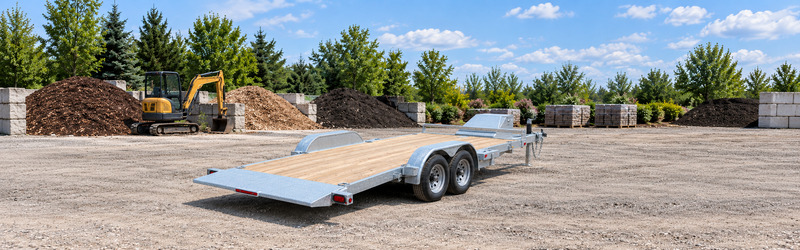
For construction companies, landscapers, and excavation contractors, no two workdays look exactly the same. One morning might involve hauling a mini excavator to a jobsite, while the next calls for a load of mulch or a trailer full of demolition debris. Having the right trailer setup can make those changing demands much easier to manage.
Canada Trailers offers equipment, tilt, and dump configurations designed for different types of work. Understanding where each option fits can help you choose a trailer based on the equipment, materials, and debris your crew actually hauls from week to week.
Can One Trailer Haul Equipment and Construction Debris?
One trailer may be able to haul both equipment and construction debris, but it depends on its design, payload capacity, dimensions, and intended use. A mini excavator requires secure loading and tie-down points, while loose debris requires proper containment and convenient unloading. For mixed workloads, compare equipment, tilt, and dump configurations based on what your crew hauls most often.
Understanding Equipment, Tilt, and Dump Trailer Configurations
Choosing between an equipment, tilt, and dump trailer starts with understanding how each configuration fits into a typical workday. While there can be some overlap in what trailers are capable of carrying, their designs make certain jobs more practical than others.
equipment trailer with machinery transport in mind. For construction and excavation crews, this type of setup can be suited to hauling mini excavators, skid steers, compact tractors, and other equipment, provided the machine falls within the trailer’s specifications.
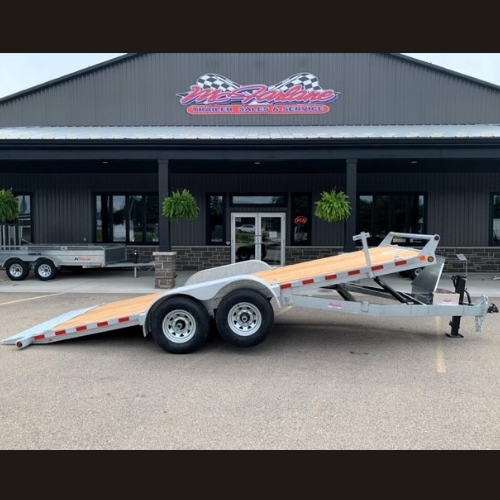
tilt trailer by allowing the deck to tilt toward the ground. Depending on the equipment being transported, this can make loading and unloading more straightforward without relying on a conventional ramp setup.
A dump trailer that need to be contained and unloaded efficiently. Landscapers and contractors may use one for:
- Mulch and soil
- Gravel and aggregate
- Landscaping debris
- Construction and demolition materials
- General jobsite cleanup
The best configuration ultimately depends on your crew’s workload. If machinery transport dominates the schedule, your priorities will differ from those of a landscaping company regularly moving bulk materials or a contractor frequently removing debris.
Hauling a Mini Excavator to the Jobsite
Moving a mini excavator requires more planning than simply finding a trailer with enough deck space. The weight and dimensions of the machine, along with any attachments being transported, all need to be considered when selecting a suitable trailer.
Before hauling a mini excavator, check:
- The machine’s operating weight
- The weight of buckets or other attachments
- Trailer payload capacity and GVWR
- Available deck length and width
- Axle capacity
- Loading and unloading method
- Appropriate tie-down locations
A Canada Trailers equipment trailer can be a practical option for contractors who regularly move compact machinery between jobsites. However, mini excavators vary considerably in size and weight, so the specifications of the actual machine should always guide your trailer choice.
Attachments are important to account for as well. A bucket, hydraulic attachment, or additional piece of equipment adds to the total load even when the excavator itself falls comfortably within the trailer’s capacity.
For crews searching for a trailer for a mini excavator, think beyond a single job. Consider what else travels with the machine and what the trailer will be expected to handle throughout a typical workweek.
When a Tilt Trailer Makes Sense
For crews that regularly load and unload machinery, a tilt trailer can offer a different approach from a traditional equipment trailer. Instead of using separate ramps, the trailer deck tilts toward the ground to create a loading angle for compatible equipment.
This configuration can be useful for contractors and landscapers moving machinery such as compact equipment between multiple jobsites. However, convenience should not be the only consideration when deciding whether a tilt trailer suits your operation.
Before choosing one, consider:
- The weight and dimensions of your equipment
- The trailer’s payload capacity and GVWR
- Deck length and width
- Ground clearance of the equipment
- The loading angle
- Available tie-down locations
- How frequently equipment is loaded and unloaded
The type of machinery you haul matters as well. Different machines have different clearance, weight distribution, and loading requirements, so always compare the equipment specifications with the trailer before making a decision.
For a crew that spends much of its week transporting machinery, a Canada Trailers tilt configuration may provide a practical loading setup. The key is making sure its capacity, dimensions, and design align with the equipment you actually bring to the jobsite.
Moving Mulch, Soil, and Landscaping Materials
A landscaping crew may spend the morning moving equipment and the afternoon delivering mulch or soil. These loose materials create a very different hauling challenge than a mini excavator, which is why a dump trailer can be valuable for businesses handling a variety of property and landscaping projects.
With bulk materials, both volume and weight need to be considered. Mulch can take up considerable trailer space without being as heavy as the same volume of soil, gravel, or other dense materials. Wet material can add even more weight, making payload limits especially important.
A dump trailer can be useful for transporting:
- Mulch for gardens and landscaped areas
- Topsoil and fill
- Gravel or crushed stone
- Sand
- Yard waste and landscaping debris
The biggest advantage comes when the crew reaches the destination. A dump configuration allows loose material to be unloaded without removing everything manually, which can simplify jobs involving repeated deliveries or cleanup.
Before loading, consider how much material you actually need and confirm that the expected weight falls within the trailer’s capacity. For landscaping companies moving different materials throughout the week, choosing the right Canada Trailers configuration can help ensure the trailer matches the way the crew actually works.
Handling Demolition and Jobsite Debris
Once demolition or renovation work begins, debris can accumulate quickly. Old lumber, removed fixtures, damaged materials, and general construction waste all need to leave the jobsite, making the trailer an important part of the cleanup process.
A dump trailer can be particularly practical for this type of work because its enclosed sides help contain loose materials while the dump function makes unloading more convenient at an appropriate disposal location.
Common jobsite loads may include:
- Removed lumber and building materials
- Drywall and renovation debris
- Old fixtures and project materials
- Landscaping waste
- General construction cleanup debris
Weight is one of the biggest considerations. Demolition debris can be irregular and surprisingly heavy, especially when a load includes dense materials. A trailer can reach its payload capacity even when there appears to be additional room available.
Crews should also make sure materials are properly contained and secured before travelling. Always check the trailer’s payload and GVWR along with applicable cargo securement requirements.
For contractors regularly switching between equipment transport and cleanup work, consider how frequently debris needs to be hauled. If removing loose material is a major part of the workload, a Canada Trailers dump configuration may offer advantages that a conventional equipment trailer does not.
Choosing a Trailer Around Your Most Common Work
A trailer purchase should reflect what your crew actually does from week to week. While versatility is useful, the best setup for a contractor who regularly moves a mini excavator may look very different from one used primarily for landscaping materials or demolition cleanup.
Start by looking at the jobs that account for most of your hauling. Ask questions such as:
- What equipment do we transport most often?
- What does that equipment weigh with its attachments?
- How frequently do we haul mulch, soil, gravel, or other bulk materials?
- Is demolition debris a regular part of our workload?
- How do we normally load and unload?
- What is the heaviest load we expect to transport?
- What can our tow vehicle safely handle?
Thinking through a typical workweek can make the decision clearer. An equipment trailer may suit a crew focused primarily on machinery, while a tilt configuration may appeal to businesses frequently loading compatible equipment. A dump trailer may make more sense when bulk materials and debris are everyday loads.
Rather than choosing based on one occasional project, consider the work your trailer will perform most frequently. Matching the configuration to those recurring jobs can help you choose a Canada Trailers setup that fits naturally into your crew’s day-to-day operations.
Payload, GVWR, and Tow Vehicle Compatibility
Whether you are hauling a mini excavator, landscaping materials, or demolition debris, weight needs to be part of the planning process. Understanding payload and GVWR can help you determine whether a trailer is suitable for the loads your crew regularly handles.
GVWR refers to the maximum allowable loaded weight of the trailer, while payload capacity is the amount of cargo the trailer can carry after accounting for the trailer’s own weight. When transporting equipment, remember that attachments, tools, and additional materials also contribute to the total load.
Before hitching up, confirm:
- The trailer’s GVWR and payload capacity
- The actual weight of the equipment or material
- The weight of buckets and other attachments
- Your tow vehicle’s rated towing capacity
- Proper load distribution
- Appropriate cargo securement
Bulk materials require extra attention because appearance can be misleading. A trailer filled with mulch will typically weigh much less than the same volume of soil, gravel, or dense demolition debris.
Always compare the specifications of your trailer, cargo, and tow vehicle before loading. Choosing the right Canada Trailers configuration is only part of the equation. The complete setup needs to be appropriately matched to the loads your crew intends to transport.
Comparing Canada Trailers for a Mixed Workload
For construction companies, landscapers, and excavation contractors, the challenge is often finding a trailer that fits the work the crew performs most regularly. Equipment, tilt, and dump configurations each offer advantages depending on what needs to leave the yard in the morning and return from the jobsite later that day.
Here is a quick comparison:
| Typical Job | Configuration to Consider | Key Considerations |
| Mini excavator transport | Equipment trailer | Payload, deck space, loading method, tie-down points |
| Frequent machinery loading | Tilt trailer | Loading angle, clearance, deck dimensions, payload |
| Mulch and soil | Dump trailer | Material weight, volume, containment, unloading |
| Demolition debris | Dump trailer | Payload, containment, securement, unloading |
| Mixed weekly workload | Depends on primary use | Most frequent loads, heaviest loads, tow vehicle |
There is no single configuration that automatically suits every mixed workload. A crew that moves a mini excavator most days may prioritize a Canada Trailers equipment trailer, while a landscaping or construction company regularly hauling loose materials may place greater value on dump capability.
Consider your entire workweek rather than one specific load. Comparing how often you move equipment, materials, and debris can help narrow down which Canada Trailers setup makes the most sense for your operation.
Tell Us What You Haul
One crew can face very different hauling demands throughout the week. A mini excavator requires the right capacity and loading setup, while mulch and demolition debris bring different considerations for containment, weight, and unloading. Choosing between Canada Trailers equipment, tilt, or dump trailer starts with understanding which loads matter most to your business.
That is why it helps to shop based on your actual workload rather than trailer type alone. McFarlane Trailer Sales, what materials you regularly carry, your typical load weights, and what tow vehicle you use.
Tell us what you haul and request a quote today. Our team can help you compare Canada Trailers configurations and find an option that matches the day-to-day demands of your construction, landscaping, or excavation business.