First Frost to Sale Barn: The AgHaul Cold-Weather Livestock Hauling Checklist
October 13, 2026 by Kyle McFarlane
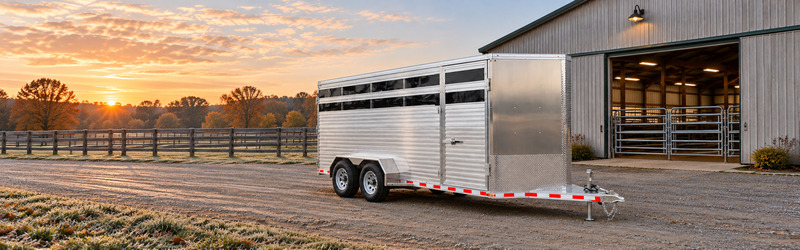
When the first frost arrives in Ontario, livestock hauling comes with a new set of considerations. Cold temperatures, icy loading areas, changing road conditions, and winter precipitation can all affect the trip from the farm to the sale barn. For cattle, sheep, goat, and mixed-livestock producers, preparation becomes especially important.
A good winter livestock hauling checklist can help you prepare your animals, trailer, and route before leaving the farm. From ventilation and footing to bedding and emergency supplies, taking a few extra steps before departure can help make cold-weather hauling more manageable throughout the winter season.
How Should Livestock Be Transported Safely in Cold Weather?
Livestock should be transported in cold weather using a properly prepared trailer with suitable ventilation, secure footing, appropriate bedding, and enough space for the animals being hauled. Producers should inspect the trailer before loading, check weather and road conditions, plan the route carefully, and carry emergency supplies. Animal type, herd size, trip duration, and temperature should also guide hauling preparations.
1. Check Ventilation Before Loading
When temperatures drop, it may be tempting to close up a livestock trailer as much as possible. However, animals still need adequate airflow during cold-weather transportation. Ventilation helps manage moisture and maintain air quality inside the trailer, especially when several animals are travelling together.
Before loading your AgHaul livestock trailer, inspect the ventilation openings and make sure they are clear of snow, ice, bedding, or other obstructions. The goal is to maintain airflow while also considering exposure to cold wind, snow, and freezing rain.
Ventilation needs can vary depending on factors such as:
- The type and number of animals being transported
- Outside temperature and weather conditions
- Length of the journey
- Trailer configuration
- Animal size and condition
Avoid assuming that colder weather means ventilation is less important. Instead, prepare the trailer according to the conditions and the livestock being transported. Checking airflow before leaving the farm is a simple but important part of any winter livestock hauling checklist.
2. Prepare Secure Footing for Winter Conditions
Snow, ice, moisture, and manure can make trailer floors and loading areas more slippery during winter. Before bringing livestock toward the trailer, take time to inspect the surfaces and address any conditions that could affect secure footing.
Your pre-loading inspection should include:
- Checking the trailer floor for ice, moisture, or damage
- Clearing snow and ice from ramps and loading areas
- Making sure gates and doors open and close properly
- Inspecting ramps for secure placement
- Removing excessive manure or wet material
- Checking the area between the barn, pen, and trailer
Pay attention to the unloading destination as well. Conditions at a sale barn or another farm may be different from those at your starting point, particularly after snowfall or freezing rain.
Preparing secure footing is a relatively simple step, but it deserves a consistent place on your winter livestock hauling checklist. A few minutes spent inspecting the trailer and loading area before departure can help create a more controlled environment for moving cattle, sheep, goats, and other livestock.
3. Choose Appropriate Bedding
Bedding is another important consideration when livestock trailer. During winter trips, it can help manage moisture and provide a more suitable surface for animals while they are in transit.
The amount and type of bedding needed can depend on the livestock being transported, outside conditions, and the length of the journey. Cattle, sheep, and goats may have different needs, so preparation should reflect the animals in the trailer rather than relying on the same setup for every trip.
Before loading, consider:
- Current temperature and weather conditions
- Animal type and number
- Expected travel time
- Moisture already present inside the trailer
- Whether bedding could interfere with gates or doors
Wet or heavily soiled bedding should be removed between trips rather than allowed to build up. Taking a few minutes to prepare a clean trailer before departure can make winter hauling easier to manage.
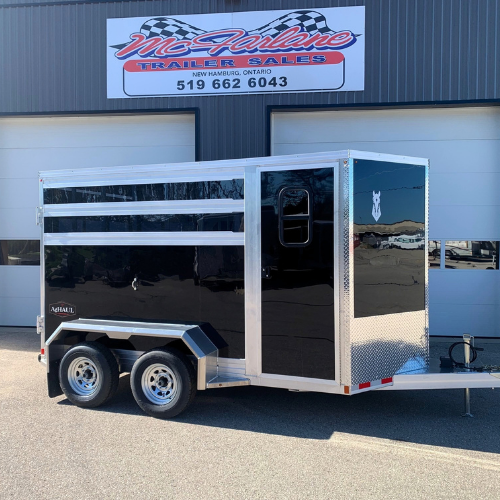
When configuring an AgHaul livestock trailer for your operation, consider how the trailer will accommodate the bedding, space, and hauling needs of the animals you transport most often.
4. Plan Loading Around the Animals You Are Hauling
Cold-weather hauling should be planned around the livestock making the trip. Cattle, sheep, goats, and mixed groups can differ in size and handling needs, which means the same trailer setup may not be appropriate for every load.
Before loading, consider how many animals you are transporting, their size, and how the available trailer space will be used. Your AgHaul livestock trailer should also remain within its rated capacity, even if there appears to be additional physical room inside.
Important loading considerations include:
- Animal type and approximate size
- Number of animals being transported
- Available trailer space
- Appropriate use of gates or partitions
- Trailer weight and capacity limits
- Conditions at both loading and unloading locations
Mixed-livestock producers should pay particular attention to how different animals will be managed within the trailer. Where separation is required, the trailer configuration should support it safely.
This is also why choosing the right trailer configuration matters. Matching an AgHaul trailer to your animal type, typical herd size, and regular hauling needs can give you a setup that is better suited to your operation throughout the year.
5. Inspect the Trailer Before Every Cold-Weather Trip
Winter conditions can be demanding on both tow vehicles and trailers, making a thorough pre-trip inspection. Before loading livestock, walk around your AgHaul trailer and check that key components are ready for the journey ahead.
Your cold-weather inspection should include:
- Tires and tire pressure
- Lights and electrical connections
- Hitch and safety connections
- Gates, doors, and latches
- Trailer flooring and ramps
- Ventilation openings
- Brakes, where applicable
- Snow and ice buildup
Pay particular attention after the trailer has been sitting outside. Snow or ice can accumulate around doors, hinges, ramps, and other areas that need to operate properly during loading and unloading.
It is also worth completing these checks before the animals are brought to the loading area. That gives you time to address a maintenance concern without unnecessarily delaying the process.
A consistent pre-trip inspection can help you identify problems before leaving the farm and ensure your trailer is properly prepared for the cold-weather trip ahead.
6. Plan Your Route With Winter Conditions in Mind
A familiar drive to the sale barn can look very different after snowfall, freezing rain, or a sudden temperature drop. Before loading your livestock, check the forecast and current road conditions so you know what to expect along the way.
Winter route planning should include:
- Checking weather and road conditions before departure
- Allowing additional travel time when conditions are poor
- Confirming sale barn or destination schedules
- Considering conditions on rural and farm access roads
- Planning fuel stops when necessary
- Identifying an alternate route in case of closures or delays
Timing matters too. If significant winter weather is expected, consider how changing conditions could affect the entire journey, including loading and unloading.
For Ontario producers, rural properties, and sale barns, a little planning can help reduce unexpected complications. Make route and weather checks a regular part of your winter livestock hauling checklist rather than relying on the same travel plan for every trip.
Conditions can change quickly, so check for updates again shortly before you leave and adjust your plans when necessary.
7. Carry Cold-Weather Emergency Supplies
Even with careful planning, winter travel can be unpredictable. Snow, icy roads, vehicle trouble, or unexpected delays can turn a routine livestock haul into a longer trip, especially when travelling between rural Ontario properties and sale barns.
Keeping a basic emergency kit in your tow vehicle can help you prepare for changing conditions. Consider carrying:
- A flashlight and spare batteries
- Warm clothing, gloves, and blankets
- A phone charger or power bank
- Basic tools
- First-aid supplies
- Traction aids
- A snow brush and ice scraper
- Emergency contact information
Think about the route and conditions when deciding what else to bring. Longer trips or travel through more remote areas may require additional preparation.
It is also a good idea to make sure your phone is charged, your fuel level is sufficient, and someone knows your planned route and expected arrival time.
Emergency supplies may never leave the vehicle during a routine trip, but having them ready adds another layer of preparation to your winter livestock hauling checklist when Ontario weather does not cooperate.
Clean and Inspect the Trailer After the Haul
Your winter hauling checklist should not end when the livestock are unloaded. Cleaning and inspecting your trailer after each trip can help keep it ready for the next journey while giving you an opportunity to spot maintenance concerns early.
Remove manure, wet bedding, mud, and other debris from the trailer as soon as practical. Winter moisture and road grime can accumulate quickly, especially when travelling on wet, snowy, or salted Ontario roads.
During cleanup, take a few minutes to check:
- Trailer flooring for wear or damage
- Gates, doors, hinges, and latches
- Tires and wheels
- Ventilation openings
- Ramps and loading surfaces
- Areas where mud, moisture, or road salt have collected
Allowing the trailer to dry where possible before adding fresh bedding can also help you start the next trip with a cleaner hauling environment.
Regular post-trip checks are particularly valuable during a busy hauling season. Addressing a loose latch, damaged surface, or other concern now can prevent it from becoming an inconvenient surprise the next time livestock need to be transported.
Your Cold-Weather Livestock Hauling Checklist
Cold-weather livestock hauling involves several moving parts, but a consistent routine can make preparation easier. Before each trip, take a few minutes to work through the essentials and adjust your plans based on the animals, trailer, route, and current Ontario weather conditions.
Use this quick winter livestock hauling checklist before heading to the sale barn or another destination:
- Check ventilation: Make sure openings are clear and appropriate airflow can be maintained.
- Inspect footing: Look for snow, ice, moisture, or other conditions that could create slippery surfaces.
- Prepare bedding: Choose suitable bedding based on the livestock, weather, and length of the trip.
- Plan loading: Consider animal type, size, numbers, available space, and trailer capacity.
- Inspect the trailer: Check tires, lights, connections, gates, doors, flooring, and other key components.
- Review your route: Check the forecast, road conditions, travel time, and possible alternate routes.
- Pack emergency supplies: Bring cold-weather essentials for unexpected delays.
- Clean up afterward: Remove bedding and debris, then inspect the trailer before its next trip.
Making these steps part of every winter haul can help you stay organized from the first frost through the rest of the cold-weather season.
Here’s a concise conclusion with the AgHaul configuration enquiry worked naturally into the CTA.
Prepare for Winter Hauling With the Right AgHaul Trailer
Cold-weather livestock hauling starts well before you pull onto the road. Checking ventilation, preparing secure footing and bedding, inspecting your equipment, and planning for winter conditions can help make every trip from the farm to the sale barn more organized.
The right trailer is another important part of that preparation. Whether you transport cattle, sheep, goats, or a mixed herd, your ideal AgHaul configuration will depend on factors such as animal type, herd size, and your typical hauling needs.
Looking for AgHaul livestock trailers in Ontario? McFarlane Trailer Sales and how many you typically transport. Our team can help you Contact us and get you ready for the cold-weather hauling season.