The Ontario Road-Salt Cost Calculator: When Does an Enbeck Aluminum Trailer Beat Steel on Lifetime Value?
November 3, 2026 by Kyle McFarlane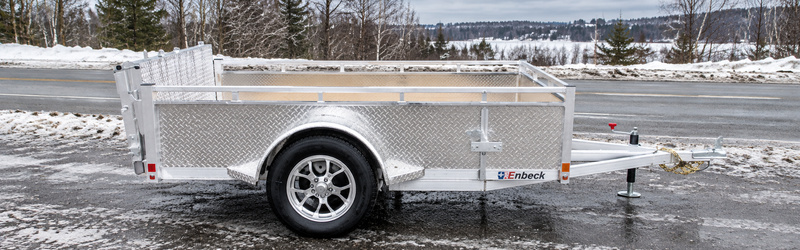
An Ontario winter can put your trailer to work long before you reach the job site. Between salted roads, slushy intersections and wet equipment, every trip adds another reason to think beyond the purchase price. A less expensive trailer may suit your budget today, but what will it cost to keep working over the next several years?
For farmers, contractors, landscapers and fleet owners, that question deserves actual numbers. If you are considering an Enbeck aluminum trailer, a simple ownership-cost worksheet can help you weigh the upfront investment against maintenance, downtime and eventual resale.
Is an aluminum trailer worth the extra cost in Ontario?
An aluminum trailer can be worth the extra cost in Ontario when maintenance, downtime and resale advantages outweigh its higher purchase price during your ownership period. Results depend on winter exposure, towing frequency, trailer specifications and actual expenses. Comparing equivalent trailers with your own figures provides a more useful answer than assuming guaranteed savings.
Start With Two Trailers That Can Handle the Same Work
Before comparing aluminum vs steel trailer cost, make sure both options can safely and practically handle your loads. Comparing a basic utility trailer with a larger, better-equipped model will tell you little about the value of either material.
Match the features that matter to your operation:
- Deck dimensions and usable loading space
- Gross vehicle weight rating and rated payload
- Axle, brake and suspension configuration
- Ramp capacity and loading arrangements
- Tie-down locations and required accessories
Check the actual empty weight of each model. A lighter trailer may leave more capacity for cargo within applicable ratings, but the towing vehicle, hitch and other limits still matter.
Identify the steel trailer’s finish, too. Painted, powder-coated and galvanised options belong in separate comparisons because their purchase prices and maintenance expectations can differ.
The right starting point is two trailers that meet the same working requirements, with written quotes covering the equipment you need.
Put Your Ontario Winter Exposure Into Perspective
A trailer travelling salted roads five days a week faces different conditions from one used occasionally around a farm. Your maintenance estimates should reflect that difference.
Steel can rust when protective coatings are compromised. Aluminum does not develop iron rust, but it can still experience corrosion, including around certain connections and contact points between dissimilar metals. Choosing aluminum does not eliminate the need for winter care.
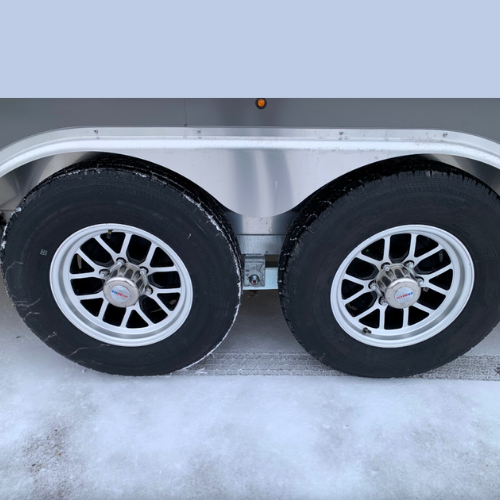
For either trailer, account for washing, inspections and attention to exposed components. Brakes, bearings, wiring, tyres and hardware still require maintenance.
Look at your recent working year. How often did you tow through slush? Did the trailer sit outdoors between trips? How much time did washing and repairs take?
Include your own labour when estimating costs. An afternoon spent treating corrosion still uses time, even when no repair invoice arrives.
Build Your Adjustable Ownership-Cost Worksheet
Create two columns, one for the Enbeck aluminum model and another for the comparable steel trailer. Enter the following information for each, using Canadian dollars and the same ownership period.
| Input | Your adjustable figure |
|---|---|
| Purchase and setup | Quoted price, required accessories and delivery |
| Ownership period | Expected years before selling or replacing |
| Towing frequency | Trips per year × average kilometres per trip |
| Winter exposure | Annual trips or kilometres on salted roads |
| Corrosion maintenance | Annual washing, treatments, repairs and labour |
| Routine maintenance | Annual servicing and component expenses |
| Downtime | Unavailable working days × realistic daily cost |
| Towing fuel | Annual kilometres × L/100 km ÷ 100 × fuel price |
| Financing | Total interest and fees during ownership |
| Resale | Estimated value when you sell |
Use a consistent tax basis for both trailers.
Calculate the result with this formula:
Total ownership cost = purchase and setup + financing + maintenance + downtime + towing fuel − resale value
Add recurring expenses across your chosen ownership period. Dividing the total by years owned gives an average annual cost.
Keep downtime realistic. Use replacement rental expenses or lost contribution after avoided operating costs, without counting the same disruption twice. Fleet owners with spare equipment may experience less disruption than an operator relying on one trailer.
If you lack reliable fuel-use comparisons, enter the same fuel assumption for both. Lower trailer weight alone does not establish a particular fuel saving.
Test Whether the Purchase Premium Pays Back
Here is a simplified example showing how the worksheet works.
Illustrative scenario only: These invented figures are not McFarlane quotes, measured savings or resale forecasts.
| Cost input | Aluminum | Steel |
|---|---|---|
| Purchase and setup | $9,000 | $7,000 |
| Annual corrosion maintenance | $150 | $400 |
| Annual downtime | $0 | $100 |
| Resale after eight years | $3,000 | $2,000 |
Assume routine maintenance, financing and towing fuel costs are equal. The zero downtime entry is simply an example assumption.
For the items shown, eight-year ownership costs would be:
- Aluminum: 9,000+(150 × 8) − $3,000 = $7,200
- Steel: 7,000+(500 × 8) − $2,000 = $9,000
Under these assumptions, aluminum finishes $1,800 lower. Its $2,000 purchase premium is recovered through the assumed $350 annual operating-cost difference in approximately 5.7 years, before resale.
Now change the situation. If the annual difference is only $100, recovering that premium takes 20 years before resale. An owner selling after five years would not recover it through operating savings alone.
Try shorter and longer ownership periods, smaller maintenance differences and lower resale estimates. This reveals which assumptions drive your decision.
Match the Result to Your Working Schedule
The best aluminum trailer for Ontario winter use must fit both your workload and your numbers.
A farmer making occasional road trips may place more weight on purchase price and loading convenience. A contractor towing throughout winter may give maintenance labour and replacement rentals greater importance.
For a landscaper, seasonal use matters. A trailer stored through winter has a different exposure pattern from one used for year-round property maintenance. Fleet owners should compare records across similar trailers, including repair hours and time unavailable.
Bring your worksheet, typical load weights and equipment dimensions to McFarlane Trailer Sales in New Hamburg. Reviewing suitable Enbeck models alongside comparable alternatives makes the discussion specific to your operation.
Frequently Asked Questions
Does an aluminum trailer still need cleaning after winter towing?
Yes. An aluminum trailer still needs regular cleaning and inspection after travelling on salted Ontario roads. Aluminum does not develop iron rust, but salt exposure can contribute to corrosion, particularly around certain connections and dissimilar metals. Follow the manufacturer’s cleaning recommendations, remove accumulated road grime and inspect hardware, wiring, brakes and other components. Consistent care helps protect the entire trailer throughout its working life.
How long does aluminum take to pay for itself?
There is no fixed payback period because purchase prices, maintenance expenses and working conditions vary. For a simplified estimate, divide the aluminum trailer’s purchase premium by its expected annual operating-cost advantage. A $2,000 premium with $250 in annual savings would take eight years to recover before resale. If operating costs are similar, the premium may not be recovered during your planned ownership period.
Will a lighter trailer reduce my fuel bill?
A lighter trailer may reduce towing fuel consumption, but the difference depends on more than empty weight. Your towing vehicle, cargo, driving speed, route and trailer shape all influence fuel use. An enclosed trailer’s aerodynamic resistance can also affect the result. For your ownership worksheet, use measured figures from comparable towing conditions when possible, or keep fuel assumptions equal until reliable data is available.
Should I compare aluminum with galvanised steel?
Yes, provided both trailers meet the same hauling requirements. Galvanised steel has a protective zinc coating, so its maintenance expectations should not automatically match those of painted steel. Compare actual purchase quotes, trailer weights, rated capacities and manufacturer care requirements. Enter separate maintenance estimates for each option, then calculate ownership costs over the same period to see which better suits your operation and budget.
How should I estimate resale value?
Start by reviewing used trailers with similar dimensions, capacities, construction, age and condition. Asking prices offer useful context, although they do not confirm final selling prices. Consider maintenance records, visible wear and any repairs your trailer may need before sale. Enter a conservative estimate for each option, then test lower resale values to see whether your overall ownership-cost conclusion still holds up.
Choose Lifetime Value With Your Own Numbers
An Enbeck aluminum trailer may justify its purchase premium through your years of ownership, but the result depends on how you use and maintain it. The worksheet helps turn a broad material debate into a practical buying decision.
Contact McFarlane Trailer Sales to compare suitable trailers, discuss your hauling needs and build an ownership-cost comparison using current quotes.