Darkhorse Cargo Trailers: Smart Storage and Tie-Down Ideas for Tools, Toys, and Gear
August 11, 2026 by Kyle McFarlane
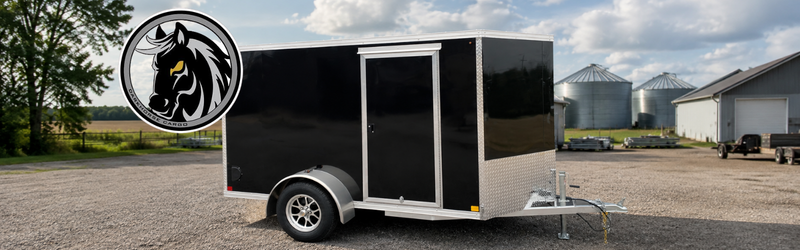
An enclosed trailer works best when every tool, machine and piece of equipment has a secure place.
Without a practical layout, valuable floor space disappears quickly. Tools get buried, cargo shifts during transport, and loading takes longer than it should. A few well-planned storage and tie-down upgrades can turn a basic enclosed trailer into a reliable mobile workspace, equipment hauler or recreational setup.
Darkhorse cargo trailers provide an enclosed platform that can be configured for farms, contractors, industrial crews and sports enthusiasts. The right interior setup depends on what you carry, how frequently the trailer is used and how quickly you need to access the load.
Start With the Work the Trailer Needs to Do
Storage should be planned around the trailer’s main purpose.
A farm operation may carry fencing tools, seed, livestock supplies or compact equipment. An electrician or carpenter may need shelving for cases, parts and power tools. An industrial service crew may require secure storage for testing equipment, hoses, fittings or safety gear. Recreational users may be transporting ATVs, snowmobiles, motorcycles or team equipment.
Before installing shelves or tie-down tracks, make a list of:
- The largest items you carry
- The heaviest equipment in the trailer
- Tools that need quick access
- Items that must remain locked
- Equipment that changes from one trip to another
- Cargo that needs floor space for loading
This prevents permanent storage from being installed where it interferes with machinery, doors or tie-down points.
Keep Heavy Cargo Low and Properly Positioned
Good organization begins with weight distribution.
Heavy equipment should generally be kept low and positioned so the loaded trailer maintains the tongue weight specified by the trailer and tow-vehicle manufacturers. Avoid loading heavy items at the extreme rear, where they may reduce tongue weight and contribute to unstable handling.
The correct position depends on:
- Trailer size and axle location
- Cargo weight
- Tow-vehicle capacity
- Hitch rating
- Trailer tongue-weight requirements
- Additional tools or attachments
Do not rely on one percentage or rule for every trailer. Once the main equipment is loaded, confirm that the complete setup remains within the trailer’s GVWR, axle ratings, payload capacity and hitch limits.
Frequently used tools can then be arranged around the main cargo without interfering with safe weight distribution.
Use Shelving to Free Up Floor Space
Shelving is one of the most useful enclosed trailer upgrades, but it should match the cargo.
Open shelves
Open shelves work well for larger cases, bins and supplies that need to be reached quickly. Add lips, doors, straps or retainers so items cannot slide off while travelling.
Adjustable shelving
Adjustable systems give contractors and industrial crews more flexibility when tool cases or inventory change. Shelf height can be modified rather than rebuilding the entire layout.
Angled shelves
Angled shelves are useful for stackable bins and commonly used parts. They make labels easier to see and allow workers to retrieve small items without unloading larger equipment.
Overhead storage
Lightweight items such as extension cords, protective clothing or sports equipment may be stored overhead when the system is properly mounted and secured.
Avoid placing heavy objects high on the walls. This can raise the trailer’s centre of gravity and place unnecessary strain on the shelving and wall structure.
Add Lockable Cabinets for Valuable Equipment
Enclosed trailers provide weather protection and visual security, but valuable equipment should still be stored in lockable cabinets or toolboxes.
Lockable storage is particularly useful for:
- Power tools
- Diagnostic equipment
- Batteries and chargers
- Small engine parts
- Chemicals and maintenance products
- Precision tools
- Personal protective equipment
Cabinets should be securely attached to appropriate structural points. Freestanding cabinets that are not properly mounted can become dangerous during sudden stops or turns.
Place frequently used equipment near the side door when possible. This allows workers to retrieve tools without opening the rear ramp or moving larger cargo.
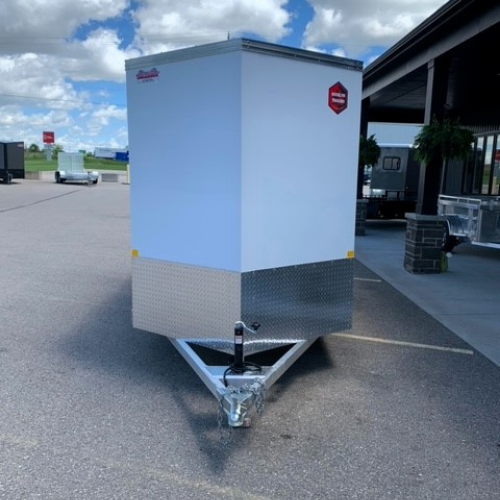
Use E-Track for Flexible Tie-Down Placement
E-track is a popular upgrade because it allows tie-down points and accessories to be repositioned.
Track can be installed on the floor or walls, depending on the trailer structure and intended use. Compatible fittings may support straps, wheel chocks, spare-tire mounts, cargo bars and equipment holders.
E-track can be useful for securing:
- Lawn and landscape equipment
- ATVs and motorcycles
- Rolling toolboxes
- Portable generators
- Compressors
- Farm supplies
- Industrial equipment cases
- Recreational gear
The strength of an E-track system depends on more than the rail. The complete working load limit is affected by the fittings, straps, fasteners, mounting surface and installation method.
Never assume every attachment has the same rating. Follow the rated working load limits for the complete system and have the track installed through suitable structural supports.
Combine E-Track With Fixed Tie-Down Points
E-track is flexible, but fixed D-rings may still be the better choice for heavy machinery.
A practical enclosed trailer may use:
- Floor-mounted D-rings for heavier equipment
- E-track for adjustable straps and accessories
- Wheel chocks for motorcycles or ATVs
- Cargo bars for bins and lighter freight
- Nets for loose or irregular items
The number and position of tie-down points should match the equipment. Securing a large machine from convenient rather than structurally suitable locations can allow it to shift.
When planning a new Darkhorse trailer, bring the dimensions and tie-down requirements of your equipment to McFarlane Trailer Sales. Tie-down placement is easier to plan before shelving and cabinets are installed.
Create Storage Zones
Dividing the interior into zones keeps unrelated equipment from becoming mixed together.
Farm and agricultural zone
This area may include fencing tools, chains, livestock supplies, hand tools and repair parts. Use labelled bins and easy-to-clean shelving.
Contractor tool zone
Place regularly used cases, fasteners and charging equipment close to the side door. Less frequently used tools can be stored further forward or higher on the wall.
Industrial service zone
Industrial crews may need separate spaces for clean equipment, used components, hoses, testing tools and safety supplies. Dividers or enclosed cabinets can help prevent cross-contamination and damage.
Recreational equipment zone
ATVs, motorcycles, snowmobiles and sports gear need clear floor space and accessible tie-downs. Removable accessories may be better than permanent shelving when the trailer carries different toys throughout the year.
Clear labels also make it easier for several workers or family members to return items to the right place.
Install Tool-Specific Holders
Small tools often create the most clutter.
Purpose-built holders keep them visible and prevent them from becoming damaged in drawers or bins. Useful additions may include:
- Cord and hose racks
- Hand-tool panels
- Drill and battery holders
- Ladder racks
- Shovel and rake mounts
- Chainsaw holders
- Helmet and safety-gear hooks
- Spare-tire mounts
- Fuel-can brackets designed for the application
Mounting should never weaken the trailer structure or interfere with wiring. Check the wall construction before drilling or installing hardware.
Improve Interior Lighting
Good lighting matters when the trailer is used early in the morning, after dark or inside poorly lit worksites.
LED lighting is a practical choice because it provides strong visibility while using relatively little power. A useful layout may include:
- Ceiling-mounted strip lights
- Lights near shelving and cabinets
- A separate light near the side door
- Exterior loading lights
- A switch accessible from each main entrance
Avoid installing one bright fixture that leaves shelves and corners in shadow. Several properly positioned lights usually provide better coverage.
For trailers used as mobile workspaces, consider how the lighting will be powered. The electrical system should be properly sized and protected for the intended equipment.
Choose the Right Rear Door
Door style affects how efficiently the trailer can be loaded.
Ramp doors
A ramp door is useful for wheeled equipment such as:
- ATVs
- Motorcycles
- Lawn tractors
- Compact landscaping equipment
- Rolling tool chests
- Sports equipment carts
Check the ramp capacity before loading machinery. Low-clearance equipment may also require a ramp extension or transition flap.
Barn-style doors
Barn doors work well for palletized goods, hand-loaded materials and equipment that will be loaded with a forklift. They also allow the rear opening to remain unobstructed.
Side doors
A side door provides quick access to tools and supplies without opening the main rear entrance. For contractors and service crews, this can save time at every stop.
The best door configuration depends on the main cargo rather than personal preference alone.
Plan for Agriculture and Rural Use
Farm and rural work can expose enclosed trailers to mud, gravel, moisture and frequent loading.
Useful features may include:
- Washable or replaceable flooring
- Corrosion-resistant hardware
- Sealed bins for small parts
- Mud-resistant mats
- Ventilation for suitable cargo
- Easy access to chains and repair tools
- Protected electrical wiring
Keep chemicals, fuels and batteries stored according to their handling requirements. An enclosed trailer should not be treated as a general storage space for materials that require specialized ventilation or separation.
Set Up a Trailer for Trades and Service Work
For tradespeople, the trailer often functions as a mobile shop.
A strong layout should reduce the number of trips back to the truck or shop. Keep daily-use items near the entrance, while reserve inventory and specialized equipment can be placed further inside.
A practical trades layout may include:
- Lockable front cabinets
- Adjustable side shelving
- A central aisle
- Charging stations
- Parts bins
- Ladder or conduit storage
- A clear section for larger equipment
- E-track for changing loads
Do not fill every wall with permanent storage. Leaving some open floor and wall space allows the trailer to adapt as the business changes.
Organize Recreational and Sports Equipment
Darkhorse cargo trailers can also be configured for motorsports, hunting, fishing and team sports.
For motorcycles and ATVs, consider wheel chocks, floor tie-downs and wall-mounted helmet storage. Snowmobile users may need a layout that leaves the floor open while keeping tools, clothing and spare parts secured.
Team-sports trailers may benefit from:
- Ventilated shelving
- Uniform racks
- Ball and equipment nets
- Lockable coaching cabinets
- First-aid storage
- Clearly labelled player bins
Wet or muddy equipment should be kept away from electrical components and items that need to remain clean.
Prepare for Ontario Conditions
Ontario trailers may be used through humid summers, heavy rain, snow, road salt and freezing temperatures.
Regular inspections should include:
- Door seals
- Roof seams
- Floor condition
- Tie-down hardware
- Wiring and lighting
- Ramp hinges
- Locks and latches
- Tire condition
- Signs of moisture inside cabinets
Road salt and moisture can affect exposed hardware and undercarriage components. Cleaning and inspecting the trailer after winter use can help identify corrosion or damage before it becomes more serious.
Are Darkhorse Cargo Trailers a Good Choice?
Darkhorse cargo trailers can provide a practical enclosed platform for work and recreational hauling. Their value depends on choosing the correct size, payload, door configuration and interior options for the intended job.
A well-built trailer can still become inefficient if the interior layout does not match the cargo. Likewise, a simple trailer can become highly useful when shelving, lighting and tie-downs are planned carefully.
The best approach is to compare specific Darkhorse models and configurations rather than evaluating the brand only in general terms.
Frequently Asked Questions
Can E-track be used for heavy equipment?
It may be suitable for certain equipment when the complete system is correctly rated and installed. Review the working load limits of the rail, fittings, straps, fasteners and mounting surface. Heavy machinery may also require properly rated floor-mounted D-rings.
Is a ramp door or barn door better?
A ramp door is usually more convenient for wheeled equipment. Barn doors are often better for forklift loading, pallets and hand-loaded cargo. Choose based on how the trailer will be loaded most often.
Can shelving and E-track be added later?
Often, yes. However, the trailer’s wall construction, framing, wiring and existing equipment must be considered. Professional installation helps ensure the upgrades are attached to suitable structural points.
How do I stop cargo from shifting?
Use properly rated tie-down equipment, secure every movable item and maintain suitable weight distribution. Cabinets, shelves and bins should also have doors, lips or retainers that keep their contents in place.
What size enclosed trailer should I choose?
Measure the largest equipment you carry and account for shelving, aisles, doors and future needs. Also compare trailer weight, payload and tow-vehicle capacity. More interior space is only useful when the loaded combination remains within all weight ratings.
Build a Better Darkhorse Cargo Trailer at McFarlane
The best cargo trailer layout is the one that supports the work or activity you do regularly.
Farmers may need secure storage for tools and supplies. Contractors need fast access to equipment and parts. Industrial crews may require flexible tie-downs and protected cabinets. Sports and recreational users need open floor space with dependable securement points.
McFarlane Trailer Sales in New Hamburg can help you compare Darkhorse cargo trailer sizes, doors, payloads and available storage options. Our team can also help you plan an interior that makes better use of the trailer without interfering with safe loading.
Contact McFarlane Trailer Sales to explore Darkhorse cargo trailers and build a setup for your tools, equipment or recreational gear.