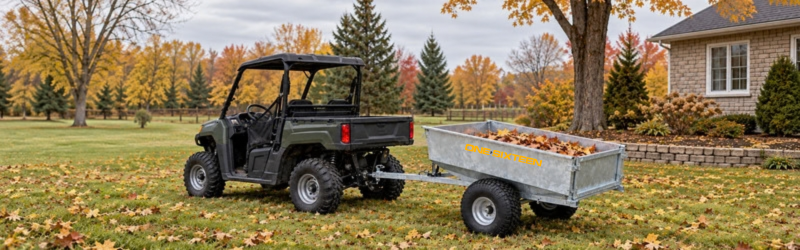
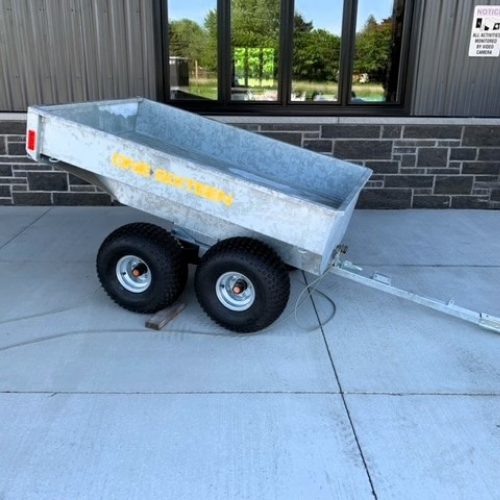
 Fall always seems to move faster when there is a long list of outdoor jobs to finish. From stacking firewood and repairing fences to clearing gardens and improving drainage, farmers, acreage owners, landscapers, and homeowners have plenty to tackle before freezing temperatures and snow make property maintenance more challenging.A One Sixteen ATV dump trailer. Paired with the right ATV or UTV, these compact trailers can move materials, supplies, and debris across fields, trails, yards, and other areas of your property. Here are seven practical jobs worth checking off your list before winter arrives.
What Jobs Can You Do With an ATV Dump Trailer?
ATV dump trailer such as hauling firewood, clearing garden debris, transporting fencing supplies, moving feed, carrying gravel for drainage repairs, and cleaning up branches. Its compact design makes it useful for reaching fields, trails, gardens, and other areas where larger vehicles may be inconvenient. With a dump function for easier unloading, it can also reduce the manual work involved in everyday hauling.1. Stock Up on Firewood Before the Snow Arrives
Getting firewood cut, moved, and stacked before winter can save plenty of work once snow and freezing temperatures arrive. A One Sixteen ATV dump trailer can help transport firewood from wooded sections of your property to a woodshed, barn, garage, or other storage area.An compact utility trailers when the woodpile is located along narrow trails or in areas that are inconvenient to reach with a pickup truck. Instead of carrying logs by hand or making countless small trips, you can move more material efficiently across the property.When hauling firewood, remember to:- Distribute the wood evenly throughout the trailer
- Keep heavier pieces low and secure
- payload rating
- Make smaller trips rather than exceeding weight limits
2. Finish Fence Repairs Around Fields and Acreages
Fall is a practical time to walk your fence lines and take care of repairs before snow covers damaged posts, loose boards, or other problem areas. For farmers and acreage owners, getting fences in good condition before winter can also make managing livestock and maintaining property boundaries easier during the colder months.A One Sixteen ATV dump trailer gives you a convenient way to carry repair materials directly to different sections of the property. Instead of repeatedly walking back to the barn or workshop, you can load the supplies you need and bring them along the fence line.Depending on the project, your trailer can carry:- Replacement fence posts and boards
- Fencing wire and fasteners
- Hand and power tools
- Gravel or soil for post areas
- Other repair supplies
3. Clear Gardens, Leaves, and Fall Yard Debris
Once gardens stop producing and leaves begin covering the property, fall cleanup can quickly turn into a much bigger job than expected. A One Sixteen ATV dump trailer can make it easier to collect debris from different areas and transport it to a compost pile or designated disposal location.Depending on your property, you may need to move:- Fallen leaves
- Dead garden plants
- Weeds and old vegetation
- Small branches and brush
- Old mulch
- General landscaping debris
4. Repair Drainage Areas Before the Ground Freezes
Poor drainage can become much harder to address once the ground freezes. Fall is a good opportunity to inspect laneways, low spots, ditches, and other areas where water tends to collect, then complete smaller repairs before winter weather arrives.A One Sixteen ATV dump trailer can help transport materials to drainage areas that may be inconvenient to reach with a larger truck. Depending on the project, you might use it to move:- Gravel or crushed stone
- Soil and fill
- Drainage pipe
- Landscaping stone
- Tools and repair supplies
5. Move Feed and Farm Supplies Before Winter Weather
Winter chores become much easier when feed, bedding, and other essential supplies are already where you need them. Before snow and ice make travelling around the property more difficult, a One Sixteen ATV dump trailer can help you move supplies between storage buildings, barns, pastures, and animal shelters.Depending on your operation, you can use the trailer to transport:- Bagged feed
- Hay or bedding
- Buckets and containers
- Fencing supplies
- Tools and equipment
- Other everyday farm essentials
6. Clean Up Trails and Remove Fallen Branches
Fall winds and seasonal tree maintenance can leave branches, brush, and other debris scattered across trails and wooded areas. Clearing these routes before snow arrives can help keep important parts of your property accessible throughout winter.A One Sixteen ATV dump trailer can be particularly useful for trail cleanup because an ATV or UTV can travel through areas that may be difficult to access with a larger truck. You can work your way along the trail, collecting debris as you go instead of carrying everything back by hand.The trailer can help transport:- Fallen branches and small limbs
- Brush and cut vegetation
- Trail maintenance tools
- Gravel or fill for minor repairs
- Supplies for maintaining gates or access points
7. Move Gravel, Soil, and Materials for Final Fall Projects
There always seems to be one more property project to finish before winter. Whether you are repairing a laneway, refreshing a garden bed, or filling low spots around the property, a One Sixteen ATV dump trailer can help move materials directly to where the work is happening.Depending on the project, you can haul:- Gravel or crushed stone
- Topsoil and fill
- Mulch
- Landscaping stone
- Sand
- Small project materials
Payload Matters: Know What Your Trailer Can Safely Carry
An ATV dump trailer may be compact, but understanding payload is still essential. Materials such as gravel, soil, firewood, and feed can add significant weight quickly, so loads should always be planned around the limits of both the trailer and the vehicle towing it.Before starting a property maintenance job, consider:- The trailer’s maximum payload capacity
- Your ATV or UTV’s rated towing capacity
- The weight of the material being transported
- How the load is distributed inside the trailer
- The terrain and conditions you will be travelling over