Growing your landscaping business takes hard work—and the right tools. Choosing the perfect hauler for your equipment is one of the biggest decisions you’ll make early on. You need something strong, reliable, and built to handle your daily jobs.
Finding the right landscape trailer isn’t just about size or cost. It’s about fitting your equipment, handling weight safely, and leaving room for growth. The right trailer keeps you organized, helps you work faster, and reduces stress during busy weeks.
At McFarlane Trailers in New Hamburg, Ontario, we help businesses like yours find the perfect setup for long-term success. Choosing the right hauler now saves you time, money, and headaches down the road.
Seeing What Your Business Really Needs
Your perfect fit starts with knowing what you use most. Some companies haul one mower and a few tools, while others need space for multiple machines, materials, and job-site supplies. When you know what you’re carrying, you can choose something that handles the load safely and doesn’t limit your workflow.
Think about everything you haul in a normal week. Some tools are light. Some are large and awkward. Some machines are heavy and need stable loading space. When you put all of this together, you get a better idea of the space and strength you need. You also create a safer work plan because the right setup prevents tipping, shifting, and damage.
Many landscaping business owners choose something “just big enough,” and within a year, they run out of room. New machines, new jobs, and new equipment often show up faster than expected. If you plan for a little extra space now, you avoid buying another unit too soon. You also give yourself room to take bigger jobs that help your business grow.
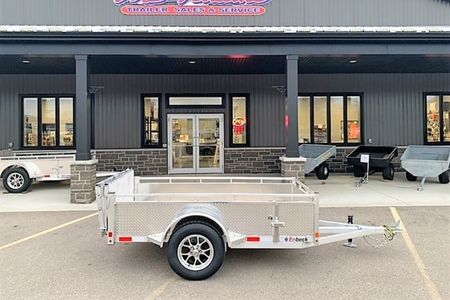
Choosing the Right Type of Landscape Setup
Once you know your equipment, you can match it with the right design. Different models work better for different kinds of jobs, and knowing the pros and cons helps you make smarter choices. Utility trailers for landscaping and commercial landscape trailers each serve unique purposes, and the best one for your business depends on how you work.
Below is a clear breakdown you can use while comparing your options.
Open Utility Trailers
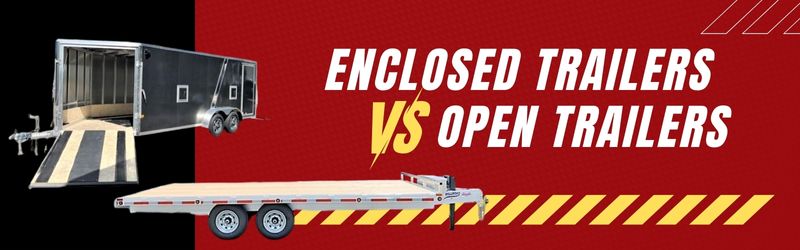
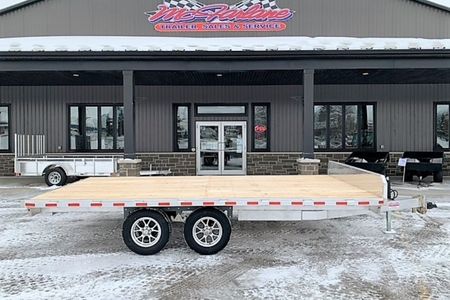
Perfect for new businesses, open utility trailers are simple, affordable, and easy to use. They provide quick access to your tools and handle bulky items like branches, soil, and debris with ease. However, they don’t protect your equipment from rain or theft, so you’ll need to secure everything and avoid overnight storage. For general landscaping and lighter tools, open trailers are a cost-effective, hassle-free option.
Enclosed Landscape Trailers
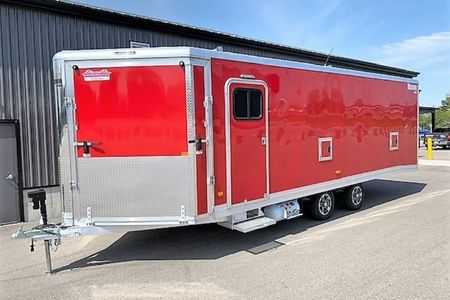
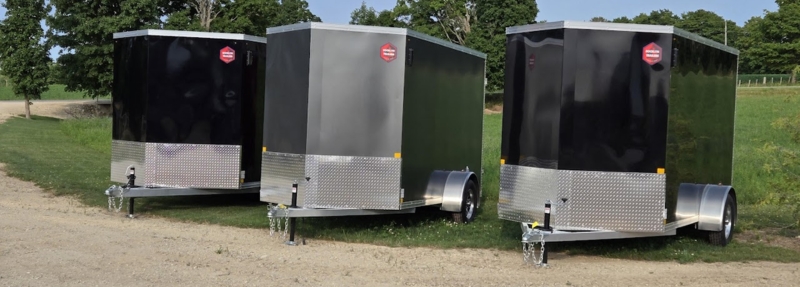
Enclosed trailers act as mobile storage units, keeping your gear safe from rain, dust, and theft. They’re more expensive and heavier than open trailers, but the added security and weather protection are worth it. Plus, you can use the exterior walls for marketing by turning them into a mobile billboard. Perfect for landscapers who want peace of mind and a professional edge.
Dump Trailers
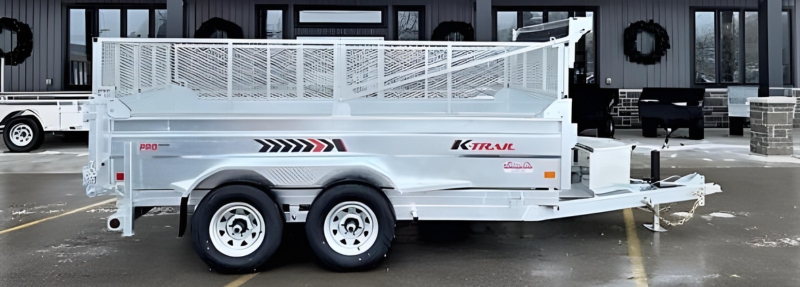
If debris removal is a big part of your work, dump trailers are a game-changer. The hydraulic lift makes unloading soil, mulch, gravel, and branches fast and easy. With tie-down points for heavy equipment, these trailers are more expensive, but they save time and effort on frequent cleanups.
Tilt or Equipment Trailers
Tilt trailers are ideal for heavy machines like mowers or compact tractors. The deck lowers to the ground, so no ramps are needed, making loading faster and safer. While some designs lack side rails, they’re perfect if heavy equipment is a daily part of your work. Tilt trailers save time and reduce the risk of accidents on the job.
Size, Strength, and Structure Matter More Than You Think
Picking the right size and structure means looking at more than just length and width. You need something that carries your equipment safely, handles bumps and turns, and stays steady at highway speeds.
Picking the Right Size
Small setups like 6′ x 10′ work for city jobs or single-mower crews. Larger sizes like 7′ x 16′ or more work better for companies with multiple machines and a lot of materials. You want enough space to work comfortably without struggling to fit your items.
A setup that’s too small slows you down, increases stress, and forces you to make more trips. A setup that’s too big can be harder to store and move in tight job sites. Balance is the key.
Single vs. Tandem Axles
Choosing between single and tandem axles affects how much weight you can carry and how stable the setup feels.
Here’s what to keep in mind:
- Single-axle designs are lighter, easier to move, and usually cost less. They work well for small equipment. But they can feel less stable on the highway and can’t handle very heavy loads.
- Tandem-axle designs spread out the weight. They’re steadier, especially when fully loaded. They can handle heavier equipment and long-distance travel but cost more and require more strength to move around job sites.
Materials That Match Your Work
Steel setups are strong and reliable. They hold up well to long-term use, especially for heavy-duty work. Aluminum is lighter and resists rust, making it a great option for reducing wear on your towing vehicle. Decking can be made of steel or pressure-treated wood, and each brings different strength levels depending on your work style.
Safety Features You Should Not Overlook
You may think safety is mostly about how you drive, but the setup itself plays a huge role in preventing mishaps. A safe design protects your team, your equipment, and others on the road.
Below are key safety details that matter for any landscaping business.
- Know Your Towing Limits: Your towing vehicle needs to match your setup. If your fully loaded weight is too heavy, you put strain on your brakes and engine. Checking your vehicle’s manual tells you the exact limits, and staying under those limits keeps you legal and safe.
- Brakes, Lighting, and Visibility: Tandem-axle designs usually need their own brake system. Electric brakes help you stop smoothly and prevent skidding. Good lighting and reflectors help other drivers see you in rain, snow, or low light.
- Ramps, Tie-Downs, and Tool Storage: You want strong ramps that don’t bend or slip when you load mowers or machines. Tie-down points keep your equipment from shifting during turns. Lockable toolboxes help protect items that thieves target most often.
- A Spare Tire Saves Your Day: Roadside delays can ruin your schedule. Having a spare tire and proper tools helps you get moving again quickly.
Features That Make Daily Work Easier
The right design doesn’t just carry your gear, it helps you work faster and stay organized. Small details like shelf placement, tie-down spots, ramp angles, and deck height make a big difference when you load and unload equipment multiple times per day.
Some landscapers like built-in racks for trimmers, blowers, and gas cans. Some prefer low deck heights for easier loading. Others want reinforced sides for hauling soil or mulch. When you choose features that match your workflow, you save time and energy every day.
Thinking About Future Growth
Your business may start with one mower and a few hand tools, but it won’t stay that way forever. Your setup should support bigger jobs, new machines, and added workers. You want something that grows with you instead of holding you back.
Planning ahead gives you space to take on new contracts and seasonal opportunities. It also prevents you from buying something new too soon. When you choose carefully now, your investment lasts longer and keeps your business moving forward.
Smart Choices Lead to Stronger Landscaping Work
Your equipment is a major part of your success. When you use smart landscape trailer buying tips, you protect your gear, save money, and make your work easier. Utility trailers for landscaping and commercial landscape trailers come in many types, and the right choice depends on your daily workflow, your safety needs, and your long-term plans.
We help with all of this at McFarlane Trailers in New Hamburg, Ontario. Contact us to learn more about finding the best match for your growing business.