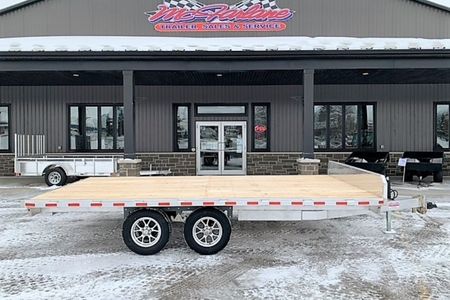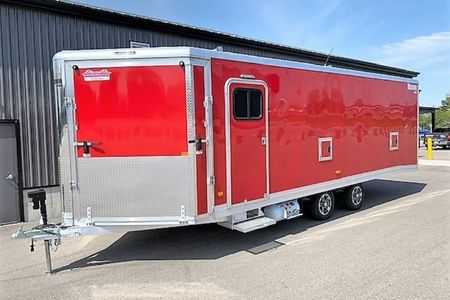
Top 5 Trailer Types for Farming in Ontario and How to Choose the Right One

 Top 5 Trailer Types for Farming in Ontario and How to Choose the Right OneOntario agriculture rarely looks the same from one week to the next. One day, you’re moving equipment between fields. Next, you’re hauling feed, animals, seed, or building materials across the property. Add in changing weather, soft ground, and long seasonal workdays, and your hauling setup becomes one of the most important pieces of equipment you own.At McFarlane Trailers in New Hamburg, Ontario, we help local producers find reliable trailer solutions that match real-world workloads, whether you run livestock, crops, or a mixed operation.Not every trailer is built for every job. The best choice depends on what you move most often, your terrain, and how frequently you tow. Below are five of the most useful trailer styles for Ontario operations, plus practical tips to help you pick the right one. You’ll also see why many customers choose Frontier, K-Trail and One-Sixteen trailers for strength, smart design, and long-term value.

1. Livestock Trailers for Safe, Low-Stress Animal Transport

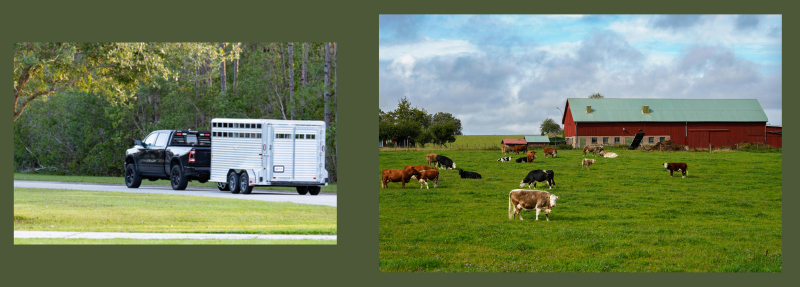
Safely transporting animals is paramount. That's why livestock trailers from brands like Frontier are engineered with features to improve airflow, prevent slipping, and keep animals secure during loading, transit, and unloading.Look for features that support safety and control:
  • Strong frame construction with smooth interior surfaces
  • Proper gate placement to reduce crowding
  • Good ventilation for warm, humid days
  • Divider options to separate groups when needed
Common uses include:
  • Moving cattle, pigs, sheep, or goats between fields
  • Trips to auctions, processors, or veterinary appointments
  • Managing different sizes or groups with dividers
For Ontario conditions, aluminum construction is a major plus—lighter towing and better corrosion resistance in wet, messy environments. Frontier offers both bumper pull and gooseneck options depending on your towing setup and load requirements.

2. Dump Trailers for Bulk Materials and Fast Unloading

If you handle bulk materials regularly, a dump trailer can save hours of labour across the season. Hydraulic lift systems make unloading controlled and efficient without needing extra equipment to empty the load.This style is ideal for:
  • Grain or feed (quick unloading at storage or feeding areas)
  • Manure or compost (heavy loads that you don’t want to shovel)
  • Gravel, soil, and wood chips for lanes, pads, and maintenance
  • Storm cleanup debris after high winds or heavy weather
What to prioritize:
  • Reliable hydraulic system and battery setup
  • Side height and bed capacity that match your usual loads
  • Strong frame and quality gate hardware
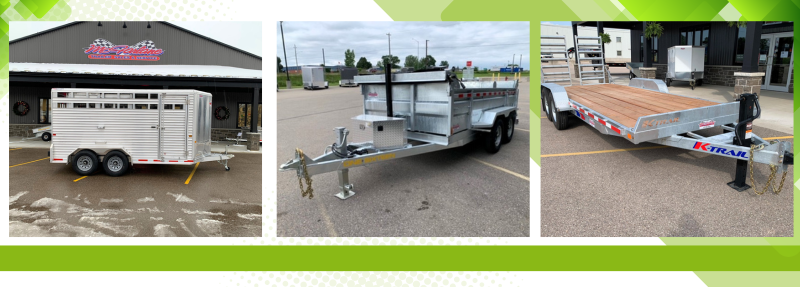
Frontier dump models are known for solid construction and dependable lift systems—making them a go-to choice for Ontario producers who want versatility and time savings.Flatbed and Equipment Trailers for Maximum Flexibility

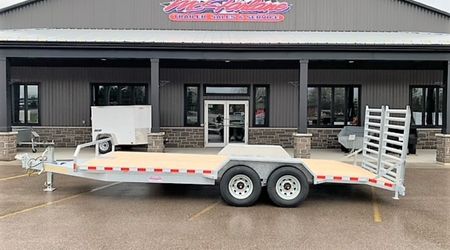
3. Flatbed and Equipment Trailers for Maximum Flexibility

When your hauling needs change week to week, K-Trail trailers are hard to beat. Open decks make it easy to load machinery, pallets, and materials without special modifications.Best for moving:
  • Tractors, skid steers, loaders, ATVs, and compact equipment
  • Fencing supplies, pallets, and building materials
  • Seed, tools, and general supplies
Smart features to look for:
  • Ramps or a tilt deck for safer loading
  • Proper deck length and payload capacity for your equipment
  • Balanced weight distribution and quality tie-down points
If you want easier towing and better fuel efficiency, lightweight Frontier aluminum equipment trailers are a strong option, especially when hauling frequently across rural roads or between properties.

4. Enclosed Cargo Trailers for Weather Protection and Secure Storage

Ontario weather can change fast, and not everything should ride in the open. Enclosed cargo trailers protect tools, feed, seed, and equipment from rain, snow, road spray, and theft—while also functioning as mobile storage during busy seasons.Great for:
  • Feed, seed, and bagged supplies
  • Tools, parts, and repair gear
  • Sensitive equipment that needs to stay dry and secure
Key advantages:
  • Lockable doors for added security
  • Reduced weather exposure for longer tool life
  • A clean, organized way to transport supplies between locations
Frontier enclosed aluminum models resist rust and reduce maintenance, making them a dependable choice for long-term use.

5. Hay and Bale Trailers for Efficient Field Work

For livestock operations, moving hay is a regular task, especially during harvest. Hay and bale trailers are designed to carry large round or square bales efficiently, with layouts that help keep loads stable.Typically used for:
  • Round bales, square bales, and straw for bedding
  • Fast field loading and unloading during tight weather windows
  • Reducing trips by maximizing deck space and stability
Features that help:
  • Bale racks or side rails to reduce shifting
  • Deck sizing that matches the bale type you handle most
  • Durable frames that hold up to repeated heavy loads
When timing matters in hay season, the right trailer setup can make a noticeable difference in speed and safety.

How to Choose the Right Trailer for Your Operation

The best trailer isn’t the biggest one; it’s the one that matches your day-to-day work. Before buying, work through these five essentials:

1) What you haul most often

Animals, equipment, bulk material, supplies, or hay, your “top job” should guide the trailer style.

2) Load size and weight

Confirm payload needs and match them to:
  • Axle count (single, tandem, triple)
  • Brakes and suspension
  • Tongue weight and towing capacity

3) Loading and unloading requirements

Think about what makes the job safer and faster:
  • Ramps vs. tilt deck
  • Rear gate style
  • Hydraulic lift for bulk material
4) Terrain and conditions

Soft ground, uneven lanes, and seasonal mud require strong components, tires, suspension, and frame quality matters.

5) Material choice: aluminum vs. steel

Aluminum (like many Frontier models) can reduce towing weight and help resist corrosion, especially helpful in wet, high-use conditions.

Built for Ontario Work, Season After Season

Ontario operations don’t slow down just because conditions change. Having the right trailer helps you stay productive through planting, harvesting, livestock transport, and property maintenance without losing time to the wrong setup.Frontier, K-Trail, and One-Sixteen trailers are designed with Canadian conditions in mind, combining lightweight aluminum construction with practical features that stand up to real workloads.If you’re comparing options and want help choosing the best match for your equipment, towing vehicle, and workload, contact McFarlane Trailers in New Hamburg, Ontario. We’ll walk you through the right trailer type and specifications for Frontier, K-Trail, or One-Sixteen models so you can invest with confidence.

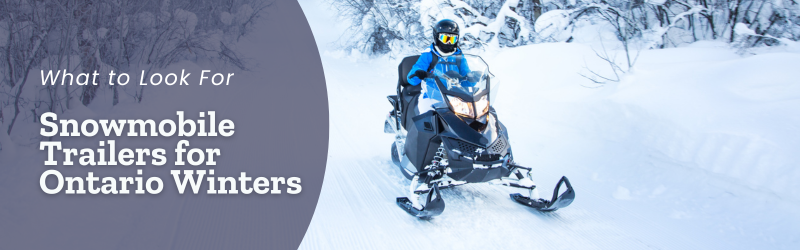
Snowmobile Trailers for Ontario Winters: What to Look For

 Snowmobile Trailers for Ontario Winters What to Look ForWinter in Ontario hits fast, and your sled needs the right setup to handle snow, ice, and long drives to the trails. Choosing the right snowmobile trailer can feel overwhelming, but it’s key to keeping your sled safe and ready all season long.At McFarlane Trailers, we know what it takes to tackle Ontario winters. From picking the right size and materials to understanding safety features, this guide will help you choose a strong, winter-ready trailer that protects your investment.Learn how to avoid common mistakes, compare enclosed haulers, and find the perfect trailer to keep you moving through Ontario’s toughest conditions.

Why You Need the Right Features for Ontario Winters

Ontario winters bring deep snow, freezing nights, blowing ice, and road salt that eats away at anything unprotected. When you travel with your sled, the conditions change fast. You might start on clear pavement and end up on snowy backroads full of slush and salt spray. You need something built to handle all of it.A winter-ready snowmobile trailer protects your sled from:
  • Moisture
  • Road salt
  • Stone chips
  • Ice buildup
  • Sudden temperature changes
These things can wear down your sled long before the season ends. You want something strong enough to keep your machine safe and sealed tight so nothing gets inside. That’s why enclosed snowmobile haulers work so well for Ontario riders. They block the cold, keep snow out, and give you a clean and dry space for your gear.

Look for Strong Construction and Winter-Proof Materials

Ontario winters are tough on metal and wood. When you compare snowmobile trailers in Ontario, watch for materials that last longer in cold, wet weather.Steel is strong and stable, but road salt and moisture can cause rust if the coating wears off. Good models use high-quality paint or powder coating to block rust and protect the frame.Aluminum is lighter, doesn’t rust, and holds up well in winter. Many riders like it because it’s easier to tow, especially on long drives.For flooring, you want something that won’t get slippery when wet. Some riders use modular tiles because they provide grip, drain water, and make cleanup easier after a messy ride day.

Door Seals and Venting Make a Bigger Difference Than You Think

Your gear gives off moisture. Your sled brings in snow. Ontario roads throw salt and slush in every direction. If the doors and vents aren’t built well, everything inside gets wet, damaged, or rusty.Look for:
  • Tight door seals that block ice and slush
  • Roof vents that reduce moisture inside
  • Side vents so air can move and prevent fog and mould
These small features protect your sled more than most riders realize. A winter-ready snowmobile trailer must keep moisture out and let trapped air escape.

Check Size and Weight Before You Buy

Snowmobile models come in different lengths, and so do transport options. Before you start shopping, measure your sled and think about how many machines you want to bring on a trip.Here’s a simple guide:
  • One Sled: 10–12 ft
  • Two Sleds: 12–14 ft
  • Three Sleds: 16–18 ft
The total weight matters too. Your tow vehicle must be able to handle everything safely. Always make sure your vehicle’s towing capacity is higher than the full load of your setup. Many drivers forget to include gear weight—helmets, bags, fuel cans, and tools add up fast.Good weight distribution also matters. Keep about 60% of the weight toward the front so the unit stays stable on the road.

Tires, Axles, and Suspension Make Winter Driving Safe

Ontario roads change from dry to icy in minutes. Good tires, strong axles, and solid suspension help you stay in control the whole time.Look for these features:
  • All-Season or Winter-Rated Tires: These give you better grip on snow and slush. Check tread depth and pressure before every trip.
  • A Spare Tire: Winters can be unforgiving. A flat in the cold is worse when you’re far from home.
  • Strong Axles: Salt and slush can cause corrosion. Inspect axles often and choose something built for heavy use.
  • Good Springs or Torsion Suspension: A smooth suspension keeps your sled steady, reduces bouncing, and protects your machine on rough roads.
These things make your winter trips safer and help your gear last longer.

Loading Features Can Save Time and Keep You Safe

A winter-ready snowmobile trailer should make loading and unloading simple, even when your boots are full of snow and your gloves are stiff from the cold.Look for:
  • Strong drive-on/drive-off ramps
  • Good grip on ramp surfaces
  • Wide rear openings for easier loading
  • Interior lighting so you can see at night
  • Side doors for quick access to gear
If you load in the dark or after a long ride, these features can make a big difference.

Tie-Down Systems That Keep Your Sled Secure

Your sled needs to stay still during travel. The right tie-down system keeps it from sliding or tipping.A good setup includes:
  • E-Track or L-Track Systems: They let you change the tie-down points quickly.
  • Strong D-Rings: These are mounted to the floor and let you secure your sled tight.
  • Quality Straps: Winter straps shouldn’t freeze, fray, or get brittle.
Never choose something without enough ways to secure your sled. Safety should come first.In-content-Snowmobile Trailers For Ontario Winters

Insulation and Interior Protection for Harsh Winters

If you travel long distances, or store your machine inside all winter, insulation is worth the money. It keeps moisture down and protects your sled from frost.Many enclosed snowmobile haulers use insulated walls and ceilings so the inside stays dry and stable. Some even include coated floors to block moisture and make cleaning simple.This helps keep your sled ready to ride and prevents damage over time.

Stone Guards and Exterior Protection

Ontario roads are full of stones, salt chunks, and debris. When you start comparing snowmobile trailers in Ontario, look for front stone guards. These metal shields block rock chips and salt spray that can damage the front panel.You may also want:
  • Mud Flaps: They reduce road spray behind your tow vehicle.
  • Roof Protection: Snow and ice can build up in early winter storms.
These little add-ons help your investment last longer.

Security Features for Overnight Travel

Sleds are valuable, and theft can happen fast, especially during winter trips when you make quick stops for food or fuel. This is why strong locks and safe doors matter so much. A winter-ready setup should protect your sled even when you are not standing beside it. Good security keeps your gear safe from people who may try to break in, whether you stop at a gas station or park at a trail entrance.When you travel often or leave your unit parked at a lodge overnight, security becomes even more important. You want solid rear and side doors, upgraded latch systems, and designs that are harder for thieves to pry open. These features give you peace of mind and help make sure your sled is ready and waiting for your next ride.

A Simple Pre-Trip Checklist for Ontario Riders

Before every winter ride, check these things:
  • Lights: Make sure brake, turn, and marker lights work.
  • Hitch and Ball Connection: It should be tight and matched to the correct size.
  • Chains: Cross them under the tongue.
  • Tire Pressure: Cold air lowers PSI fast.
  • Lug Nuts: Salt can cause them to seize.
  • Doors and Locks: Make sure all seals latch tight.
  • Ramp Hinges: A quick spray keeps them moving smoothly in the cold.
This helps prevent delays and keeps you safe on the road.

A Winter Setup You Can Count On

When you know what to look for in snowmobile trailers in Ontario, you feel more confident choosing the right fit for your sled and your winter adventures. A good winter-ready snowmobile trailer keeps your machine dry, safe, and protected from harsh weather. Strong ramps, good insulation, solid venting, and secure tie-downs all help you travel with less stress. Enclosed snowmobile haulers offer extra protection in deep winter conditions, and they work well for long trips across the province.If you want help comparing options or choosing the best setup for your needs, contact us to learn more. Our team at McFarlane Trailers in New Hamburg, Ontario, can walk you through models built for Canadian winters and help you find the right fit for your sled.

One-Sixteen Trailers: A Reliable Partner for Flatbed and Equipment Transport

 One-Sixteen Trailers_ A Reliable Partner for Flatbed and Equipment TransportHauling should be simple, safe, and reliable—no matter what you're moving or where the job takes you. Whether it's construction, landscaping, farming, or equipment delivery, you need a trailer that handles heavy loads without slowing you down. That’s why One-Sixteen Trailers are trusted across Ontario for flatbed transport. Built for real-world work and tough conditions, these trailers deliver performance you can count on.One-Sixteen trailers are designed to handle everything from skid steers and building supplies to small tractors and pallets. They load easily, stay steady on the road, and tackle gravel, steep sites, and long highway hauls without missing a beat. Businesses rely on them to keep up during busy seasons, and the feedback is clear: these trailers are built strong, smart, and made to last.At McFarlane Trailers in New Hamburg, Ontario, we’re proud to carry One-Sixteen models. In this blog, we’ll break down why they stand out, what features matter most for flatbeds, and how they make equipment transport safer and smoother every day.

Built for Real Work: Why One-Sixteen Stands Out

One-Sixteen Trailers are built with the needs of working Canadians in mind. They aren’t flashy. They aren’t complicated. They’re dependable and when you’re hauling equipment, dependability is everything.Flatbeds need strength, and One-Sixteen gives you that with solid frames, reinforced decks, and high load capacities. This matters because many businesses move machines that shift weight when loading or unloading.A strong model helps you with:
  • Better Load Control: When the frame doesn’t flex, your equipment stays balanced, especially during quick stops or tight turns. This stability means you spend less time adjusting straps or worrying about shifting weight as you drive. It also reduces the chance of small movements turning into dangerous sway on the highway. Better control gives you more confidence when hauling heavy or awkward equipment.
  • Long-Term Durability: Heavy daily use won’t wear down the deck as quickly, which helps protect your investment. One-Sixteen uses tough materials that hold up against weather, mud, gravel, and constant loading. This saves you money on repairs and keeps the trailer working longer without major maintenance. Durability also means your equipment has a safe platform every time you load up.
  • Safer Hauling Conditions: Strong structural components reduce sway and improve towing stability. This helps you avoid sudden jerks or side-to-side movement, especially on uneven roads or in windy conditions. A safer setup protects you, your tow vehicle, and the equipment you're carrying. With fewer risks on the road, each trip feels smoother and more controlled.
You get a confident hauling setup every time you hit the road.

Easy Loading for Busy Workdays

Loading is one of the most important parts of flatbed trailer transport, and One-Sixteen focuses on making this step simple and safe.A smart deck height makes a huge difference when loading equipment with wheels or tracks. One-Sixteen models keep the deck as low as possible so machines roll on without steep angles. This helps with:
  • Fewer slip risks. Shallow angles reduce sudden jerks or slides.
  • Better control. Operators feel more confident driving equipment onto the deck.
  • Less strain on machines. Lower angles mean less stress on hydraulic systems and engines.
Strong, well-placed ramps also help keep the loading process smooth, saving time on every job.

Support for Many Types of Equipment

You may haul different loads throughout the week. One-Sixteen gives you the flexibility to carry a wide range of items without needing a second setup.These models support:
  • Landscaping tools
  • Compact tractors
  • Building materials
  • Pallets and supplies
  • Small excavators
  • Movers and commercial machines
The versatility makes One-Sixteen ideal when your business handles many tasks in many locations.

Road Stability That Protects Your Equipment

Hauling equipment means travelling through busy city streets and rural roads, and you want stability that keeps your load protected the whole way. One-Sixteen gives you that support with strong, reliable suspension systems made for real working conditions. You feel the difference right away because the trailer handles bumps, dips, and uneven ground without sending that shock through your load.Better suspension also keeps your equipment from bouncing or shifting during the drive. That means fewer adjustments, less movement, and a safer trip overall. It helps your tow vehicle too, because strong suspension takes on more of the impact and reduces the strain on your truck. When you’re travelling over gravel, soft ground, or rough terrain, the trailer stays steady so you stay in control.Every part of the suspension system is designed to make long drives easier and safer. You get smoother handling, better balance, and more confidence every time you haul.

Features That Support Everyday Work

Flatbeds need to do more than carry weight. They need to support different job types and handle the moment-to-moment demands of field work.One-Sixteen includes smart features like:
  • Durable decking that resists wear from equipment teeth, wheels, and treads.
  • Secure tie-down points placed in useful locations so you can strap down loads quickly.
  • Open design for easy cleanup after jobs involving dirt, mulch, gravel, or debris.
  • Steel construction that stands up against Canadian weather conditions and seasonal changes.
These small details add up and help you stay efficient throughout the workday.

A Good Fit for Many Industries

You may run a landscaping crew, a construction team, a farm, or a repair service. One-Sixteen models support all of them by offering flexible hauling that adapts to each job. You get a setup that stays dependable no matter what you’re moving or how often you haul.

Landscaping and Grounds Work

You often move mowers, trimmers, mulch, soil, and other materials. A strong flatbed helps you keep everything organized and easy to unload at each site. Because the deck is open and sturdy, you can load several tools at once without worrying about damage or shifting.

Construction and Contracting

You bring generators, compressors, lumber, or compact machines to job sites. The reinforced deck keeps heavy loads supported, even when equipment has uneven weight. This kind of strength helps you work faster because you’re not stopping to rearrange or secure items again.

Agriculture and Farming

You haul light machinery, fencing, pumps, supplies, and seasonal materials. A durable flatbed helps you move everything across long distances, even over rough rural roads. Farmers appreciate the steady performance because it reduces downtime and keeps daily tasks on schedule.

Equipment Repair and Delivery

You need stability for heavy machines and tools. The low deck height and safe tie-down system keep everything steady during travel, making delivery smoother for both you and your customers. It also reduces the risk of damage to expensive equipment.Every industry gets the same benefit: a reliable model that works as hard as you do. And when you have dependable hauling, you spend more time getting work done and less time dealing with problems on the road.In-content-One-Sixteen Trailers A Reliable Partner for Flatbed and Equipment Transport

Why Reliability Matters for Flatbed Trailer Transport

When your business depends on equipment, your hauling setup becomes part of your daily routine. You need something that works every time without struggles, breakdowns, or unsafe conditions. A reliable flatbed helps you stay on schedule, avoid unexpected delays, and keep every job running smoothly.Strong flatbed trailer transport also protects your equipment and reduces repair costs. It keeps workers safer on the road, prevents roadside issues, and supports long-term business growth. One-Sixteen trailers are built with these priorities in mind, giving you a setup you can count on day after day.

Long-Term Value You Can Count On

A great trailer isn’t just about how it performs in the first few months. It’s about how the frame, deck, axles, and other parts hold up after years of regular use. That long-term strength is where One-Sixteen really stands out. High-quality materials mean fewer repairs, longer-lasting decks that resist moisture, and steady performance in every season.You also get better resale value if you ever choose to upgrade. When a model holds up well, it saves you money year after year and reduces the stress of constant maintenance. One-Sixteen is built to give you that kind of long-term value, making it a smart choice for anyone who depends on their hauling setup.

How One-Sixteen Supports Safe Work Environments

Safety matters on every job site, especially when machines and heavy loads are involved. One-Sixteen helps support safer work by offering:
  • Stable towing for better control
  • Strong tie-downs for secure loads
  • Predictable braking and handling
  • Clear visibility across the flat deck
  • Dependable ramps for safer loading
Every part is designed to make hauling feel smoother and safer for your entire team.

Your Next Hauling Partner Starts Here

When you use One-Sixteen, you get more than a product. You get a dependable work partner built for long days, heavy loads, and the unique demands of Canadian job sites. These models support safe, steady, and efficient equipment hauling solutions while giving you confidence in every haul.If you’re looking for dependable flatbed trailer transport and want a model built for real work, One-Sixteen is a strong choice. These trailers offer strength, safe loading, stability, and long-term value for many industries.To explore your options, you can contact us to learn more. Our team at McFarlane Trailers in New Hamburg, Ontario is ready to help you find the right setup for your equipment hauling solutions as your trusted Ontario trailer dealer.

How to Pick the Perfect Landscape Trailer for Your Growing Business

 Landscape Trailer Buying TipsGrowing your landscaping business takes hard work—and the right tools. Choosing the perfect hauler for your equipment is one of the biggest decisions you'll make early on. You need something strong, reliable, and built to handle your daily jobs.Finding the right landscape trailer isn’t just about size or cost. It’s about fitting your equipment, handling weight safely, and leaving room for growth. The right trailer keeps you organized, helps you work faster, and reduces stress during busy weeks.At McFarlane Trailers in New Hamburg, Ontario, we help businesses like yours find the perfect setup for long-term success. Choosing the right hauler now saves you time, money, and headaches down the road.Seeing What Your Business Really NeedsYour perfect fit starts with knowing what you use most. Some companies haul one mower and a few tools, while others need space for multiple machines, materials, and job-site supplies. When you know what you’re carrying, you can choose something that handles the load safely and doesn’t limit your workflow.Think about everything you haul in a normal week. Some tools are light. Some are large and awkward. Some machines are heavy and need stable loading space. When you put all of this together, you get a better idea of the space and strength you need. You also create a safer work plan because the right setup prevents tipping, shifting, and damage.Many landscaping business owners choose something “just big enough,” and within a year, they run out of room. New machines, new jobs, and new equipment often show up faster than expected. If you plan for a little extra space now, you avoid buying another unit too soon. You also give yourself room to take bigger jobs that help your business grow.In-content-Landscape Trailer Buying Tips

Choosing the Right Type of Landscape Setup

Once you know your equipment, you can match it with the right design. Different models work better for different kinds of jobs, and knowing the pros and cons helps you make smarter choices. Utility trailers for landscaping and commercial landscape trailers each serve unique purposes, and the best one for your business depends on how you work.Below is a clear breakdown you can use while comparing your options.

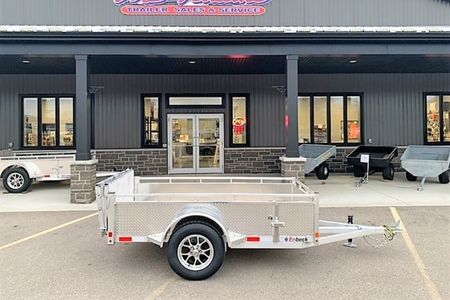
Open Utility Trailers

Perfect for new businesses, open utility trailers are simple, affordable, and easy to use. They provide quick access to your tools and handle bulky items like branches, soil, and debris with ease. However, they don’t protect your equipment from rain or theft, so you’ll need to secure everything and avoid overnight storage. For general landscaping and lighter tools, open trailers are a cost-effective, hassle-free option.

Enclosed Landscape Trailers

Enclosed trailers act as mobile storage units, keeping your gear safe from rain, dust, and theft. They’re more expensive and heavier than open trailers, but the added security and weather protection are worth it. Plus, you can use the exterior walls for marketing by turning them into a mobile billboard. Perfect for landscapers who want peace of mind and a professional edge.

Dump Trailers

If debris removal is a big part of your work, dump trailers are a game-changer. The hydraulic lift makes unloading soil, mulch, gravel, and branches fast and easy. With tie-down points for heavy equipment, these trailers are more expensive, but they save time and effort on frequent cleanups.

Tilt or Equipment Trailers

Tilt trailers are ideal for heavy machines like mowers or compact tractors. The deck lowers to the ground, so no ramps are needed, making loading faster and safer. While some designs lack side rails, they’re perfect if heavy equipment is a daily part of your work. Tilt trailers save time and reduce the risk of accidents on the job.

Size, Strength, and Structure Matter More Than You Think

Picking the right size and structure means looking at more than just length and width. You need something that carries your equipment safely, handles bumps and turns, and stays steady at highway speeds.

Picking the Right Size

Small setups like 6' x 10' work for city jobs or single-mower crews. Larger sizes like 7' x 16' or more work better for companies with multiple machines and a lot of materials. You want enough space to work comfortably without struggling to fit your items.A setup that’s too small slows you down, increases stress, and forces you to make more trips. A setup that’s too big can be harder to store and move in tight job sites. Balance is the key.

Single vs. Tandem Axles

Choosing between single and tandem axles affects how much weight you can carry and how stable the setup feels.Here’s what to keep in mind:
  • Single-axle designs are lighter, easier to move, and usually cost less. They work well for small equipment. But they can feel less stable on the highway and can’t handle very heavy loads.
  • Tandem-axle designs spread out the weight. They’re steadier, especially when fully loaded. They can handle heavier equipment and long-distance travel but cost more and require more strength to move around job sites.

Materials That Match Your Work

Steel setups are strong and reliable. They hold up well to long-term use, especially for heavy-duty work. Aluminum is lighter and resists rust, making it a great option for reducing wear on your towing vehicle. Decking can be made of steel or pressure-treated wood, and each brings different strength levels depending on your work style.

Safety Features You Should Not Overlook

You may think safety is mostly about how you drive, but the setup itself plays a huge role in preventing mishaps. A safe design protects your team, your equipment, and others on the road.Below are key safety details that matter for any landscaping business.
  • Know Your Towing Limits: Your towing vehicle needs to match your setup. If your fully loaded weight is too heavy, you put strain on your brakes and engine. Checking your vehicle’s manual tells you the exact limits, and staying under those limits keeps you legal and safe.
  • Brakes, Lighting, and Visibility: Tandem-axle designs usually need their own brake system. Electric brakes help you stop smoothly and prevent skidding. Good lighting and reflectors help other drivers see you in rain, snow, or low light.
  • Ramps, Tie-Downs, and Tool Storage: You want strong ramps that don’t bend or slip when you load mowers or machines. Tie-down points keep your equipment from shifting during turns. Lockable toolboxes help protect items that thieves target most often.
  • A Spare Tire Saves Your Day: Roadside delays can ruin your schedule. Having a spare tire and proper tools helps you get moving again quickly.

Features That Make Daily Work Easier

The right design doesn’t just carry your gear, it helps you work faster and stay organized. Small details like shelf placement, tie-down spots, ramp angles, and deck height make a big difference when you load and unload equipment multiple times per day.Some landscapers like built-in racks for trimmers, blowers, and gas cans. Some prefer low deck heights for easier loading. Others want reinforced sides for hauling soil or mulch. When you choose features that match your workflow, you save time and energy every day.

Thinking About Future Growth

Your business may start with one mower and a few hand tools, but it won’t stay that way forever. Your setup should support bigger jobs, new machines, and added workers. You want something that grows with you instead of holding you back.Planning ahead gives you space to take on new contracts and seasonal opportunities. It also prevents you from buying something new too soon. When you choose carefully now, your investment lasts longer and keeps your business moving forward.

Smart Choices Lead to Stronger Landscaping Work

Your equipment is a major part of your success. When you use smart landscape trailer buying tips, you protect your gear, save money, and make your work easier. Utility trailers for landscaping and commercial landscape trailers come in many types, and the right choice depends on your daily workflow, your safety needs, and your long-term plans.We help with all of this at McFarlane Trailers in New Hamburg, Ontario. Contact us to learn more about finding the best match for your growing business.

Choosing Between Enclosed and Open Trailers: What’s Best for Your Needs?

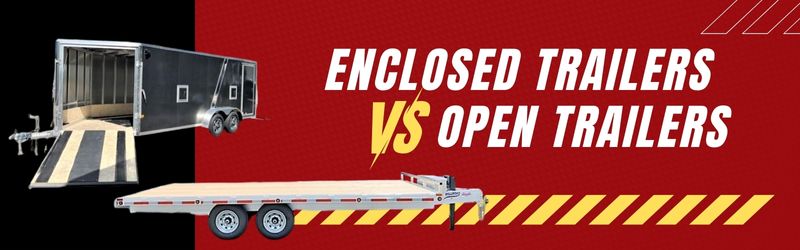
 Choosing Between Enclosed and Open Trailers_ Whats Best for Your NeedsChoosing between enclosed and open trailers can feel overwhelming, but it doesn’t have to be. Whether you’re hauling tools, furniture, or outdoor gear—or need something reliable for your small business—the right trailer should fit your work, budget, and daily routine perfectly.Enclosed trailers offer extra protection, while open trailers make loading easier. Factors like price, weather, storage, and safety all play a role in your decision. Both options have their pros and cons, and the key is understanding which one truly suits your needs.This guide gives you clear, no-pressure insights to help you decide with confidence. By the end, you’ll know what features matter most and which trailer is the best fit for your work style.

How Each Option Works in Everyday Life

The biggest question to ask when comparing enclosed vs open trailers is simple: What do you haul, and how do you want to protect it?Your answer shapes everything.An open design works well when you need fast loading, light weight, or lower cost. An enclosed design makes sense when you want security, weather protection, or a cleaner space for tools and equipment. Each type offers real strengths, and understanding them helps you pick the best trailer type in Ontario for your daily tasks.Some people use open models for work because they load large items like lumber, pipes, or machines. Others choose enclosed designs because they need a safe, locked space for expensive tools or gear. This choice depends on how you want to use it, how far you travel, and how often you load and unload.In-content_ open

Why Open Models Fit So Many Situations

Open designs are popular because they make hauling simple. They are easier to move, easier to load, and often easier to afford. If you want a smooth experience and you don’t haul weather-sensitive items, this may be the right path for you.What makes open designs useful?You get fast access to your load. You don’t deal with doors, locks, or tight spaces. You can lift or place things right from the side. This makes it great for people who haul large or odd shapes that don’t fit cleanly inside a box.Loading is easier for many items, such as:
  • ATVs, snowmobiles, or outdoor gear. These items handle weather and dirt well, so you don’t need full coverage.
  • Lumber, sheet material, or building supplies. These pieces are often long, tall, or wide, and an open design makes handling simple.
  • Yard equipment like mowers or leaf vacuums. You may load and unload them many times a day. Open access helps save time.
Another benefit is lower weight. Lighter designs help you save fuel, which matters when gas prices go up. They also pull easier behind smaller vehicles, making travel smoother for new drivers.When cost is important, an open option often becomes the first choice because it gives good performance at a lower starting price.

Why Enclosed Models Offer Extra Protection

You may want to keep your tools or gear safe from weather, theft, and road debris. If that’s the case, enclosed models solve many problems before they happen. They also work as secure storage spaces when you’re off the road.Why do enclosed designs work well? You get full protection from rain, snow, wind, dust, and salt. This matters in Canada, where weather changes fast and road spray is common. If you haul things that cannot get wet or dirty, this helps protect your investment.People who choose enclosed models often haul:
  • Valuable tools or job supplies. You need a safe space that locks when you leave the job site or park overnight.
  • Electronics or sensitive machines. Weather, dust, and moisture can cause real damage.
  • Furniture, décor, or personal goods. These items move cleaner and safer inside an enclosed space.
With enclosed models, you also get a bonus benefit: a full wall surface you can use for storage, shelving, or even branding if you run a business. Some people even turn enclosed designs into mobile workshops or small office spaces on the go.The trade-off is weight and cost. These designs weigh more and cost more because of the added material. Still, the extra protection often pays off when you carry important or fragile cargo.

Thinking About Your Daily Routine

You want your choice to match your habits. That means thinking about how you load your items, how often you haul, and how far you travel.Ask yourself:
  • Do I need fast loading every day?
  • Does my cargo need to stay dry and hidden?
  • Do I move things that stick out or don’t stack well?
  • Will I store tools inside full-time?
  • Do I need something I can lock?
Your answers help you see whether enclosed vs open trailers fits your life better. Many people choose open designs because they use them for heavy or bulky things. Others choose enclosed because they want peace of mind and a clean interior space they can organize.

Cost and Value Over Time

Price matters no matter what you haul. Open designs usually cost less at first, which helps when you're working with a tight budget. They also have fewer parts to maintain.Enclosed designs cost more upfront but give you extra value in the protections they offer. They often keep items safe from damage, which can save money over time. You might spend more at first but lose less from damage, rust, or theft.Think about what you want long-term. It’s not just about saving money today. It’s about keeping your tools and gear safe for years.

How Each Option Handles Ontario Weather

Ontario weather changes fast. Some days are mild. Others bring heavy rain, snow, or salt-covered roads. When picking the best trailer type in Ontario, think about the weather you face most often.Open designs handle wind and rain well when you haul sturdy items. They don’t trap moisture, which helps keep rust away. They also stay lighter in winter because snow doesn’t build up inside.Enclosed designs shine in harsh weather. They protect your load from freezing temperatures, heavy rain, blowing dust, and debris. They also keep tools locked away when you stop at gas stations or stores during bad weather.The weather in your region plays a big part in this decision, especially if you work year-round.

Who Each Option Works Best For

You want something that supports your work, not something that slows you down. Here is a simple look at who tends to choose each type.Open models work best when:
  • You haul big or odd-shaped items
  • You want lower cost
  • You load and unload often
  • You want better fuel efficiency
  • You move durable items that don’t need protection
Enclosed models work best when:
  • You haul tools or expensive equipment
  • You want full weather protection
  • You need a secure place to store gear
  • You want a clean, organized space inside
  • You care about privacy or branding
Both types serve different needs. The right one is the one that matches your daily tasks the closest.

What to Look For When Comparing Choices

A good trailer buying guide always covers the features you should check before you pick anything. You want solid construction, safe tie-down points, a strong frame, good tires, and easy ramp access. Think about how your load moves and how you want to secure it.Look at weight limits, storage space, and how your vehicle handles towing. These details help you choose a setup that feels safe and easy every time you hit the road.

A Smart Choice Starts With the Right Fit

You deserve a simple and clear path when choosing between enclosed vs open trailers. You now know how each type works, what each one protects, and who each one helps the most. If you want more help using this trailer buying guide or want the best trailer type in Ontario for your needs, you can contact us to learn more.We’re here at McFarlane Trailers in New Hamburg, Ontario, ready to help you make the right choice with confidence.