Safety Tips for Towing Your New Enbeck Trailer
August 12, 2025 by Kyle McFarlane
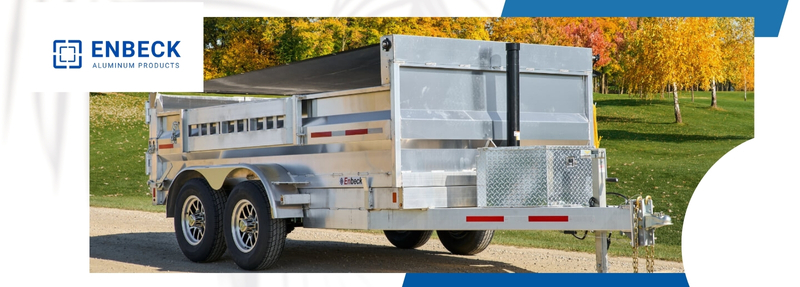
Towing a trailer is an exciting way to bring along everything you need, from work gear to outdoor essentials. But to make sure your trip goes smoothly, it’s important to follow safety tips for towing your new Enbeck trailer. Whether you’re a seasoned hauler or towing for the first time, knowing the right practices is key to keeping your cargo secure and your driving experience stress-free.
Enbeck trailers are built with lightweight aluminum, making them durable and easier to tow than heavier trailers. However, this design also affects how your trailer handles on the road. From figuring out the best way to load your trailer to checking your hitch and lights, there are important steps to take before driving off. That’s where we come in! At McFarlane Trailers, we’re here to guide you through Enbeck trailer towing guidelines that’ll help you be prepared for any trip.
Throughout this guide, we’ll cover the most important tips, like checking your towing capacity, ensuring even weight distribution, inspecting brakes, and much more. Following these steps can help protect your trailer and make towing safer for everyone on the road. Stay with us for everything you need to know!
Know Your Towing Limits
Before you even start packing up your trailer, it’s critical to check if your vehicle is ready for the job. Overloading your trailer or vehicle can cause handling issues, extra wear on your brakes, and even serious accidents.
Start by confirming your vehicle’s towing capacity. You can find this information in your vehicle’s owner’s manual. It’s equally important to check the Gross Vehicle Weight Rating (GVWR) and Gross Axle Weight Rating (GAWR) of your trailer. These numbers, typically listed on the trailer itself, tell you how much weight the frame and axles can handle.
Make sure your hitch and tow package align with your trailer’s weight and size. Choosing the wrong equipment is an often-overlooked mistake that can lead to instability or even damage while on the road.
By taking the time to verify these details, you’re making sure the foundation for a great towing experience is solid.

Load Smart, Drive Safe
Loading a trailer isn’t just about stacking things neatly. How you distribute your cargo determines how stable your trailer is on the road. Poorly balanced trailers can sway, make turning tricky, and even cause accidents.
Follow the 60/40 rule. This means about 60% of your cargo weight should be in the front half of your trailer, closest to the hitch. This keeps the weight balanced and prevents it from pulling the back end of your vehicle.
Once loaded, secure everything using tie-down straps, D-rings, and wheel chocks. This step helps keep your cargo in place, even if you hit a bump or take a sharp turn. The last thing you want is for things to shift mid-trip.
By paying extra attention to how you pack your trailer, you’re setting the stage for a safe ride.
Tires and Brakes Matter
Your tires and brakes are the unsung heroes of any towing setup. Neglecting to check them before every trip could turn even a short drive into a risky venture.
First, inspect the tire pressure and tread on both your trailer and towing vehicle. Properly inflated tires with good tread ensure your setup grips the road securely. Underinflated or worn tires can lead to blowouts or skidding, especially during wet weather or sudden stops.
Next, make sure your brake systems are in top condition. When you’re towing a trailer, your vehicle carries extra weight, which means your brakes work harder than usual. For heavier trailers, consider using an electronic brake controller to help share the stopping power.
Lastly, don’t forget to inspect components like wheel bearings and suspensions from time to time. These parts experience wear and tear faster under the added pressure of towing, and catching a small issue early can save you from costly repairs.
Taking five minutes to check your tires and brakes may feel like an extra step, but it’s a step that keeps you and your cargo safe on the road.
Secure Your Hitch Every Time
The hitch and safety chains are literally the connection between your trailer and your vehicle, so locking them into place properly can’t be stressed enough.
Start by confirming that the hitch ball and coupler are securely locked together. Then double-check that the lever on the coupler is fully closed; this prevents the trailer from popping off while driving.
Always connect safety chains in a crisscross pattern under the hitch. This setup keeps the trailer from hitting the ground if it disconnects while driving. Using the recommended tongue weight is another key step; too much or too little weight on the hitch can cause your trailer to sway.
Properly securing your hitch and safety chains takes just a few minutes but provides long-lasting peace of mind.
Don’t Overlook Your Lights and Mirrors
Visibility is key when towing, not just for you but for other drivers, too. Adjusting your mirrors and ensuring your lights work properly keeps everything in clear view and communicates your actions to those around you.
Your side mirrors should give you a clear line of sight down both sides of your trailer and the road behind you. If your standard mirrors aren’t large enough, consider installing towing mirrors that extend your field of view.
Before you drive off, test your brake lights, reflectors, and turn signals. Damaged or dim lights make it harder for other drivers to predict your movements, increasing the odds of collisions. Also, if you’re towing at night, keep your trailer lights clean and unobstructed for maximum visibility.
By ensuring that both you and your trailer are easy to see, you’re setting yourself and everyone else up for a safer trip.
Slow and Steady Wins the Race
When you’re towing a trailer, how you drive makes all the difference. A few small adjustments to your driving habits can save you from big headaches down the road.
- Avoid Sudden Movements: Speeding up too quickly or slamming on the brakes can destabilize your trailer, causing swaying or worse. Accelerate and decelerate gradually to keep everything under control.
- Keep a Safe Distance: A heavier load means it’ll take longer to stop. Leave plenty of space between you and the car ahead to account for this.
- Navigate with Caution: Slow down significantly when taking sharp turns or driving on steep hills. Wet or icy roads also call for reduced speeds to prevent slipping.
Driving carefully doesn’t just protect your trailer; it makes the entire experience more enjoyable.
Master Parking and Backing Up
Parking or reversing with a trailer can be intimidating, but it gets easier with practice and preparation. Settle your nerves by following these steps.
- Park on Flat Ground: Uneven surfaces can cause your trailer to roll when parked. Always engage the parking brake before stepping away.
- Use Extra Help: If you have a spotter or backup camera, take advantage of the extra visibility. These tools can keep you from misjudging distances or hitting obstacles.
- Go Slow While Reversing: Sharp angles can cause a jackknife, which is when the trailer folds awkwardly toward your vehicle. Take your time and make small adjustments as needed.
Parking and reversing with intention make life much easier, no matter where you’re headed.
Drive Confidently with McFarlane Trailers
Safe towing practices for Enbeck trailers aren’t just nice to follow—they’re your key to a smooth, hassle-free experience. By going through essential steps like checking your towing limits, loading evenly, and inspecting brakes and lights, you can hit the road confidently every time. These Enbeck trailer towing guidelines protect not just your cargo but also your trailer and towing vehicle, ensuring they stay in great shape for years to come.
Following trailer towing safety tips not only makes your trips safer, they also make towing a lot less stressful. Taking the time to do simple checks and adjustments now can prevent bigger problems later. Whether you’re heading out for work or fun, knowing that you’ve followed these guidelines lets you focus on the road ahead without worry.
At McFarlane Trailer Sales in New Hamburg, Ontario, we’re here to help you make the most of your Enbeck trailer. We offer a wide selection of Enbeck trailers designed for safe, reliable towing. If you’re ready to explore your options or just need some expert advice, reach out to us today! Contact us to learn more and discover how McFarlane Trailers can help you tow with confidence.