The Benefits of All-Aluminum Trailers: Lightweight, Rust-Free, and Built to Last
February 10, 2026 by Kyle McFarlaneYou know how hard Canadian weather can be on equipment. Rain, snow, road salt, and long winters all take a toll over time. If you haul gear, materials, or machines, the type of hauling setup you choose matters more than ever. That is why many people are turning to all-aluminum trailers for everyday and heavy-duty use.
When you compare options side by side, the difference becomes clear. Lightweight utility trailers made from aluminum are easier to tow, easier on your vehicle, and simpler to live with year after year. They also hold up better in harsh conditions, which makes rust-resistant trailers a smart choice for Ontario roads.
At McFarlane Trailers in New Hamburg, Ontario, we help customers understand why aluminum has become such a popular option. Below, we walk through the key benefits, explain how aluminum compares to steel, and help you decide if this type of build is right for your needs.
Lightweight Design Makes Everyday Hauling Easier
You feel the difference the moment you tow an aluminum-built unit. Because aluminum weighs much less than steel, there is less strain on your vehicle from the start. This makes everyday hauling smoother, especially on long drives or uneven roads.
A lighter build also improves fuel efficiency. When your vehicle pulls less weight, it uses less fuel over time. This adds up quickly if you haul often for work, recreation, or farm use. Many people notice savings at the pump within the first season.
Another benefit is payload flexibility. Since the hauling unit itself weighs less, more of the allowed weight can be used for cargo. This is one reason all-aluminum trailers are popular for equipment, supplies, and materials that push weight limits.
Key advantages of a lighter build include:
- Easier towing and better handling
- Less wear on brakes, suspension, and tires
- Improved fuel efficiency over time
These benefits make aluminum a strong choice for both new and experienced haulers.
Rust-Resistant Construction Handles Canadian Conditions
You do not need to be told how tough Canadian weather can be. Moisture, snow, and road salt are part of everyday life for much of the year. Steel builds often show wear quickly under these conditions, especially underneath and around joints.
Aluminum behaves differently. It does not rust the way steel does. Instead, it forms a thin protective layer that helps prevent corrosion from spreading. This is why rust-resistant trailers are so well-suited for Ontario use.
Over time, this resistance means fewer repairs and less maintenance. You are not dealing with flaking metal, rust holes, or repeated coatings just to keep things usable. The surface holds up better, even when exposed to wet roads or stored outdoors.
Why does corrosion resistance matter?
- Better performance in snow, rain, and road salt
- Less long-term maintenance
- Cleaner appearance year after year
For many buyers, this alone makes aluminum worth serious consideration.
Built to Last with Less Ongoing Maintenance
You want equipment that works when you need it, not something that demands constant attention. Aluminum builds are known for long service life because they resist common causes of failure like corrosion and warping.
This durability shows up over time. Owners often find they spend less on repairs and upkeep compared to steel options. There is no need for repainting, rust treatment, or patching weak spots caused by corrosion.
Even after years of use, aluminum units tend to hold their shape and strength. This makes them a strong long-term investment, especially for people who haul regularly or rely on their equipment for work.
Long-term benefits include:
- Fewer repairs caused by corrosion
- Lower maintenance costs
- Longer usable lifespan
When you look beyond the upfront price, aluminum often delivers better value over time.
Strong Enough for Real-World Loads
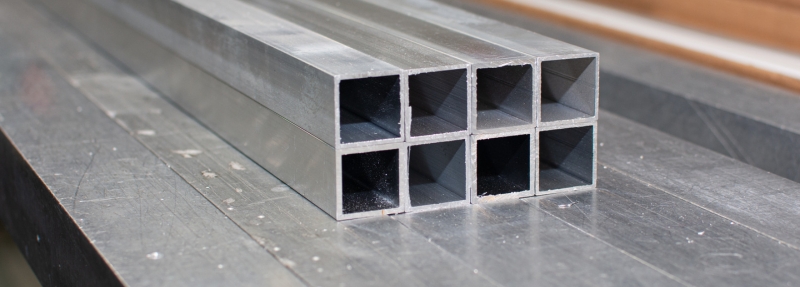
You may hear that aluminum is lighter and assume it is weaker. In reality, modern aluminum alloys are engineered to handle heavy loads while staying rigid and stable. This balance of strength and weight is one reason aluminum has become so common in commercial hauling.
Design matters here. Well-built aluminum frames distribute weight evenly and resist flexing under pressure. This allows them to carry equipment, materials, and cargo safely without compromising performance.
Brands like Mission, Enbeck, and Canada Trailer focus on reinforced designs that work in real Canadian conditions. These builds are made for uneven terrain, frequent use, and changing loads.
The result is confidence. You get strength where it matters, without carrying extra weight you do not need.
Easier Towing Improves Control and Safety
You notice better control when towing lighter equipment. Steering feels more responsive, braking distances improve, and the vehicle handles hills and corners with less effort.
This matters for safety, especially in heavy traffic or poor weather. A lighter setup places less demand on your tow vehicle, which reduces stress during sudden stops or sharp turns.
Better balance also reduces sway. When weight is managed properly, towing feels more stable, even at highway speeds. For many drivers, this makes hauling less stressful and more predictable.
These improvements help both experienced and occasional users feel more confident on the road.
Higher Resale Value Over Time
You may not think about resale on day one, but it matters down the road. Aluminum units tend to keep their value better than steel ones because they age more gracefully.
Without rust damage or structural decay, they remain attractive to future buyers. This makes them easier to sell and often commands a higher price when it is time to upgrade.
This resale strength adds to the overall value equation. Lower maintenance costs and higher resale combine to make aluminum a smart long-term choice.
Popular Aluminum Brands to Know
You have more choices than ever when it comes to aluminum options. Several trusted brands focus on quality construction and features designed for Canadian use.
Common aluminum brands include:
- Mission: Known for enclosed cargo options with efficient designs.
- Enbeck: Canadian-built units designed for tough winter conditions.
- Canada Trailer: Focused on payload efficiency and corrosion resistance.
Each brand offers different layouts, features, and build styles. Understanding these differences helps match the right unit to your needs.
How to Choose the Right Aluminum Option
You start by thinking about how you will use it most often. Will you haul equipment, supplies, or general cargo? Different designs suit different jobs.
Weight capacity matters next. A lighter frame allows a more usable payload, but axle ratings still need to match your loads. You also want to consider access features like ramps, tie-downs, and deck layout.
The environment plays a role, too. If you drive year-round or store equipment outdoors, corrosion resistance becomes even more important.
Choosing carefully upfront saves time, money, and frustration later.
A Smart Choice for Long-Term Use
You want hauling equipment that works with you, not against you. All-aluminum trailers offer a clear mix of strength, efficiency, and durability that fits Canadian conditions well.
From easier towing to lower maintenance and better resale, the benefits add up quickly. Lightweight utility trailers and rust-resistant trailers continue to gain popularity for good reason.
If you are exploring aluminum options, our team at McFarlane Trailers in New Hamburg, Ontario, can help you compare brands like Mission, Enbeck, and Canada Trailer. We focus on matching you with the right solution for how you actually haul.
Contact us to learn more about aluminum options and find a setup built to last.