Archives for August 2025

Understanding GVWR and Payload Capacity for Your Trailer

 Banner - Understanding GVWR and Payload Capacity for Your TrailerTowing a trailer comes with big responsibilities, and it all starts with knowing your trailer’s limits. Understanding weight limits is key to staying safe, protecting your trailer, and staying legal on the road. Two important terms you’ll hear are GVWR and payload capacity—but what do they mean?GVWR (Gross Vehicle Weight Rating): This is the maximum weight your trailer can handle, including the trailer itself and everything you load onto it.Payload Capacity: This is the weight of your cargo after subtracting the trailer’s weight.Knowing these numbers is essential for making smart decisions and avoiding problems like overloaded axles, blown tires, or unsafe braking. At McFarlane Trailers in New Hamburg, Ontario, we’re here to help you figure it all out so your trailer is up to the job.We’ll break down how to calculate your load limit, the difference between GVWR and payload capacity, and what factors can affect your trailer’s weight ratings. Plus, we’ll highlight common mistakes to avoid.Whether you’re towing for work or fun, understanding these basics will make towing safer and easier.

What is GVWR (Gross Vehicle Weight Rating)?

GVWR, or Gross Vehicle Weight Rating, is the maximum weight your trailer can safely carry, including the trailer itself and your cargo. It’s a safety guideline set by manufacturers to ensure you don’t overload your trailer. If you push past this limit, you risk serious problems like tire blowouts, brake failure, or even structural damage to your trailer.You’ll find the GVWR on the information label attached to your trailer, often near the hitch or on the manufacturer’s plaque. It's also listed in the owner's manual. For example, if your trailer’s GVWR is 7,000 pounds, this means both the trailer and anything loaded onto it can't weigh more than 7,000 pounds combined. Staying within this limit keeps your trailer and everyone on the road safer.Understanding GVWR is one of the first steps in choosing the right trailer for your needs. It makes towing stress-free and helps avoid unnecessary wear and tear, or worse, costly breakdowns.

What is Payload Capacity?

Payload capacity refers to how much weight your trailer can carry on top of its own weight. This doesn’t include the trailer itself – it’s just about the cargo. If you overload the payload, you’re putting your tires, axles, and suspension in harm's way.Want to calculate payload capacity? Subtract the empty weight of the trailer (also called curb weight) from the GVWR. For example, if a trailer’s GVWR is 10,000 pounds and the empty trailer weighs 3,000 pounds, your payload capacity is 7,000 pounds. That’s the weight you can load onto it safely.Knowing your payload capacity is important because it keeps your equipment in working order and helps avoid fines for overweight loads. When you understand this, choosing the right piece of equipment becomes a lot easier.In content -Understanding GVWR and Payload Capacity for Your Trailer

The Key Difference Between GVWR and Payload Capacity

Many people mix up GVWR and payload capacity, but they aren’t the same. GVWR includes the total weight of your trailer and everything on it – the entire package. Payload capacity only looks at how much your cargo can weigh – it’s the leftover space after accounting for the trailer's own weight.Here’s a handy way to remember it: GVWR is the big picture, and payload capacity is just part of it. You need to know both to tow safely. For example, exceeding your payload capacity might wear out your axles, but if you exceed the GVWR, you risk damaging your entire trailer. Keeping both in check helps prevent accidents and makes sure your trailer has a long, healthy life.Understanding these terms isn’t just about following labels. It’s about protecting your investment, staying legal, and enjoying peace of mind while towing.

How to Calculate Safe Load Limit

Calculating your trailer’s safe load limit is easier than it might seem.First, start by finding the GVWR, which is clearly listed on your trailer’s information sticker or in the owner’s manual. Once you locate this number, the next step is to check the empty weight, also known as the curb weight. This is how much the equipment weighs on its own, without any cargo loaded onto it.From there, it's just a bit of simple math. Subtract the empty weight from the GVWR, and the result will give you the payload capacity—that’s how much weight you can safely load onto the trailer. Don’t forget to also double-check your tow vehicle’s capacity to make sure it can handle the combined weight of the trailer and its cargo.Keeping these numbers in mind ensures that your load is balanced and avoids issues like trailer sway or equipment damage on the road. With just a little effort, you can tow with confidence and avoid unnecessary problems!

Factors That Affect GVWR and Payload Capacity

Several factors play a role in determining GVWR and payload capacity. Here’s what you need to know:
  • Axle Strength: The more axles your trailer has, or the stronger they are, the more weight it can support. High-rated axles are critical for heavier loads.
  • Trailer Construction: Heavier-duty materials like steel are often used in trailers with higher GVWR. Aluminum trailers, while lighter, may not support the same weight.
  • Braking System: A trailer with brakes can handle heavier loads since braking power increases control, especially at higher weights. This improves safety significantly.
  • Tire Load Rating: Tires have weight limits, too. They must be rated to support the trailer's full weight, including the cargo. Using mismatched tires can end in dangerous blowouts.
Understanding these factors ensures you choose the right trailer for your needs, protecting both your investment and your safety.

Common Mistakes to Avoid

Loading a trailer isn’t just about tossing items in and hitting the road. Avoid these common mistakes to tow safely and efficiently:
  • Ignoring the GVWR Label: Always check the GVWR before loading your trailer. This number is your go-to guide for weight limits and ratings. Ignoring it puts your trailer at risk.
  • Forgetting Cargo Weight: Don’t estimate – know the real weight of your cargo. Underestimating it can lead to overloading and expensive penalties (or repairs).
  • Overloading the Trailer: Adding more weight than the trailer can handle isn’t just unsafe – it’s illegal. Overloading can lead to equipment failure, fines, or accidents.
  • Not Balancing the Load: Unevenly distributed weight can cause sway, making it hard to control while driving. Always aim for even, balanced loading.
Avoiding these mistakes ensures smooth rides and a long lifespan for your equipment. They’re simple steps that save you big later on.

Drive Smart, Tow Safe – Contact Us Today!

Understanding the difference between GVWR and payload capacity is the key to safe and legal towing. It helps you make better choices, avoid overloading, and keep your trailer in great shape. Always check your trailer’s weight ratings before loading cargo, and ensure everything stays within the proper limits. Small steps like these can prevent big issues down the road.At McFarlane, we’re here to make towing simple and stress-free. Whether you’re hauling light loads or need heavy-duty performance, we offer a range of equipment designed to meet different trailer weight limits. Our team is ready to guide you in understanding trailer load ratings and finding the perfect one to match your needs.If you’re ready to explore better towing options, we’re just a call or visit away. Contact us to learn more about our high-quality trailers, or stop by today. Find the right trailer for your hauling needs and tow with confidence!

Canada Trailer Tilt Trailers: The Ultimate Solution for Loading Heavy Equipment

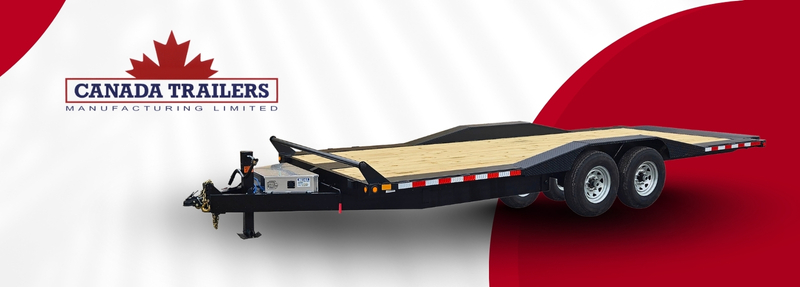
 Canada Trailers tilt trailer for heavy equipment hauling in CanadaMoving heavy equipment is no small task. It takes skill and the right tools to get machines safely on and off a trailer. And let's be honest, traditional ramps can make the process slow and risky. This is where Canada Trailer tilt trailers come in. These trailers are designed to make equipment transport a breeze. They’re the ultimate heavy equipment loading solution because they’re safer, faster, and much easier to use. Whether you’re transporting machinery to a job site or hauling it across the country, these trailers are ready for the challenge.At McFarlane, we trust Canada Trailer tilt trailers for Canadian terrain because they handle the toughest conditions. Built to last in bad weather, these trailers are strong, easy to use, and dependable.Below, we’ll explain how tilt trailers work, what makes them so special, and why they’re the top choice for hauling heavy equipment.

What Makes Tilt Trailers Ideal for Heavy Equipment?

If you’re looking for a safer and easier way to move heavy machinery, tilt trailers are the way to go. These trailers skip the hassle of traditional ramps by using a tilt system instead. How does it work? Its bed tilts down, creating a flat path for equipment to roll on or off. This means you no longer have to struggle with angles or unstable ramps.There are two types of tilt systems available—hydraulic and gravity-powered. Both make the loading process smooth and controlled. With hydraulic systems, the tilt is powered and precise, while gravity systems rely on the natural movement of the machinery. Either way, you get a simple, worry-free experience.Tilt trailers are also built to ensure stability during transport. Once your equipment is loaded, the trailer keeps everything locked in place. This design reduces the risk of shifting or sliding, protecting you, your load, and others on the road. Whether you’re transporting construction equipment or personal tools, tilt trailers make the job safer and easier.

Built for Canadian Terrain and Weather Conditions

When you work in Canada, you’re no stranger to tough conditions. Snow, rain, mud, and rough ground are part of the daily grind. That’s why Canada Trailers products are made to handle it all. They aren’t just durable—they’re specifically built for Canadian terrain and weather.The materials used are corrosion-resistant, meaning they won’t wear out quickly, even in snow or freezing temperatures. The frames and axles are heavy-duty, so they can endure bumpy terrain without bending or breaking. Plus, the trailers are ready for long trips, no matter how bad the road or weather gets.At McFarlane Trailers, we’ve seen these trailers perform in all sorts of conditions. Whether it’s icy job sites or rainy highways, Canada Trailer tilt trailers are built to deliver. You don’t just get a trailer; you get a reliable partner that stands up to anything Canadian weather throws at it.

Increased Efficiency and Ease of Use

Tilt trailers aren’t just tough—they’re also smartly designed to save you time and energy. Loading heavy equipment is often a long and tiring process, but with a tilt trailer, it’s quicker and simpler.Thanks to the tilt bed, you can load and unload machinery faster. There’s no need to wrestle with ramps or spend extra time setting up your equipment. The trailer does most of the work, so you save not only effort but also valuable hours. If you’re running a business, this efficiency can make a big difference in how quickly you complete jobs.Another major benefit is the improved weight balance. This equipment is designed to keep your load stable during transport, reducing swaying and giving you a smoother towing experience. Safety and ease of use go hand-in-hand here, making this equipment ideal for anyone managing heavy equipment.With tilt trailers, moving machinery doesn’t have to feel like such a chore. They simplify everything and keep you moving forward, whether your project is big or small.

Versatile Applications for Various Industries

Tilt trailers aren’t just for one type of job—they’re useful across multiple industries. Their versatility makes them a great choice for all kinds of equipment transport needs. Here’s how different industries use this equipment:
  • Construction: Construction sites require heavy machinery like excavators, backhoes, and skid steers. Tilt trailers can handle these large loads with ease. Their smooth tilt systems save workers time, so they can get started on projects faster.
  • Landscaping: Landscapers often need to transport mowers, compact loaders, and bulk materials. With a tilt trailer, moving equipment between job sites becomes quick and painless. The durability also ensures it can handle long days of work.
  • Agriculture: Farmers rely on tilt trailers to haul tractors, balers, and other machinery. It’s ideal for moving heavy equipment across fields or between farms. Their reliable construction makes them essential for the busy demands of farming.
  • Automotive and Commercial Use: From transporting cars to delivering industrial tools, tilt trailers shine in commercial settings. Mechanics and dealers appreciate their simple design, while businesses benefit from their ability to carry everything from vehicles to equipment.
No matter the industry, tilt trailers provide a dependable solution for hauling heavy loads. They’re versatile, easy to use, and perfect for all kinds of tasks.Canada Trailers tilt trailer with hydraulic system for heavy equipment loading

Key Features of Canada Trailers

When it comes to choosing a tilt trailer, the features make all the difference. Canada Trailers products are packed with details that set them apart from the competition.First, they come in various sizes and weight capacities. Whether you need to move lighter machinery or haul loads up to 24,000 pounds, there’s a model that works for you. They’re built tough for both small and large jobs.Second, you can choose between hydraulic and gravity tilt options. Both systems are smooth and make loading easy, so you can pick the one that fits your needs best. They’re designed with simplicity in mind, keeping the process simple and quick.Another standout feature is the reinforced frames and axles. These provide the strength needed to safely support heavy machinery. On top of that, this equipment come with durable tires and braking systems that ensure stability and safety during highway travel.Overall, these features combine to make Canada Trailers a reliable and long-lasting option for anyone who needs to haul heavy equipment. With this company, you get strength, safety, and ease of use in one neat package.

Quick Safety Tips for Towing Tilt Trailers

Using a tilt trailer comes with some responsibilities. To ensure every trip is safe and productive, keep these quick safety tips in mind:
  • Distribute Weight Properly: Make sure the weight of your equipment is balanced evenly across the trailer. This keeps the load steady and prevents swaying during transport.
  • Inspect the Tilt System: Before each trip, check that the tilt mechanism (hydraulic or gravity) is working correctly. A quick inspection ensures you won’t run into issues midway through the job.
  • Secure Your Load: Always use tie-down straps and safety chains to keep your equipment in place. This prevents shifting during travel, keeping the trailer stable and the road safe.
  • Perform Regular Maintenance: Check the tires, brakes, and hitch connection on a routine basis. Your trailer will last longer and operate more safely if you take good care of it.
Following these tips will help you get the most out of your trailer while keeping everyone safe on the road.

Haul Smarter with Canada Trailers

Canada Trailers makes moving heavy equipment easier than you might’ve thought possible. They’re the ultimate heavy equipment loading solution, built tough for Canadian terrain and ready to handle any challenge. With features that combine durability, efficiency, and ease of use, these trailers deliver real value for anyone needing dependable transport.At McFarlane Trailers in New Hamburg, Ontario, we’re proud to offer a variety of tilt trailer models. Whether you’re in construction, agriculture, or any other industry, we’ve got the right trailer for you. They provide efficient equipment for transport in Canada and solve the challenges of heavy equipment loading.Are you ready to make transporting machinery safer and easier? Contact us today to learn more about our selection of Canada Trailer tilt trailers. Get ready to haul with confidence and take the stress out of moving heavy loads!

Safety Tips for Towing Your New Enbeck Trailer

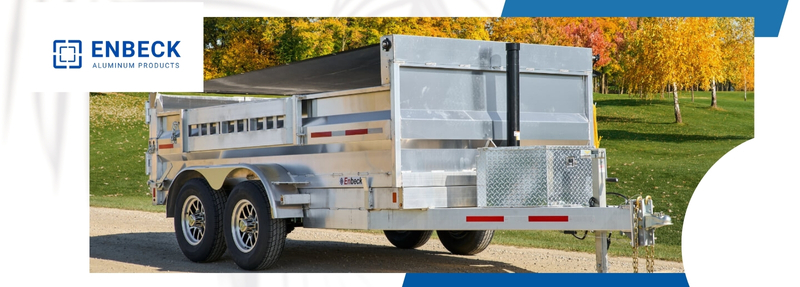
 Enbeck aluminum tandem axle dump trailer with side rails, parked outdoors in autumn – McFarlane Trailer Sales OntarioTowing a trailer is an exciting way to bring along everything you need, from work gear to outdoor essentials. But to make sure your trip goes smoothly, it’s important to follow safety tips for towing your new Enbeck trailer. Whether you’re a seasoned hauler or towing for the first time, knowing the right practices is key to keeping your cargo secure and your driving experience stress-free.Enbeck trailers are built with lightweight aluminum, making them durable and easier to tow than heavier trailers. However, this design also affects how your trailer handles on the road. From figuring out the best way to load your trailer to checking your hitch and lights, there are important steps to take before driving off. That’s where we come in! At McFarlane Trailers, we’re here to guide you through Enbeck trailer towing guidelines that’ll help you be prepared for any trip.Throughout this guide, we’ll cover the most important tips, like checking your towing capacity, ensuring even weight distribution, inspecting brakes, and much more. Following these steps can help protect your trailer and make towing safer for everyone on the road. Stay with us for everything you need to know!

Know Your Towing Limits

Before you even start packing up your trailer, it’s critical to check if your vehicle is ready for the job. Overloading your trailer or vehicle can cause handling issues, extra wear on your brakes, and even serious accidents.Start by confirming your vehicle's towing capacity. You can find this information in your vehicle's owner’s manual. It’s equally important to check the Gross Vehicle Weight Rating (GVWR) and Gross Axle Weight Rating (GAWR) of your trailer. These numbers, typically listed on the trailer itself, tell you how much weight the frame and axles can handle.Make sure your hitch and tow package align with your trailer's weight and size. Choosing the wrong equipment is an often-overlooked mistake that can lead to instability or even damage while on the road.By taking the time to verify these details, you’re making sure the foundation for a great towing experience is solid.Enbeck aluminum tandem axle flatbed trailer with wooden deck and loading ramps – McFarlane Trailer Sales Ontario

Load Smart, Drive Safe

Loading a trailer isn’t just about stacking things neatly. How you distribute your cargo determines how stable your trailer is on the road. Poorly balanced trailers can sway, make turning tricky, and even cause accidents.Follow the 60/40 rule. This means about 60% of your cargo weight should be in the front half of your trailer, closest to the hitch. This keeps the weight balanced and prevents it from pulling the back end of your vehicle.Once loaded, secure everything using tie-down straps, D-rings, and wheel chocks. This step helps keep your cargo in place, even if you hit a bump or take a sharp turn. The last thing you want is for things to shift mid-trip.By paying extra attention to how you pack your trailer, you’re setting the stage for a safe ride.

Tires and Brakes Matter

Your tires and brakes are the unsung heroes of any towing setup. Neglecting to check them before every trip could turn even a short drive into a risky venture.First, inspect the tire pressure and tread on both your trailer and towing vehicle. Properly inflated tires with good tread ensure your setup grips the road securely. Underinflated or worn tires can lead to blowouts or skidding, especially during wet weather or sudden stops.Next, make sure your brake systems are in top condition. When you're towing a trailer, your vehicle carries extra weight, which means your brakes work harder than usual. For heavier trailers, consider using an electronic brake controller to help share the stopping power.Lastly, don’t forget to inspect components like wheel bearings and suspensions from time to time. These parts experience wear and tear faster under the added pressure of towing, and catching a small issue early can save you from costly repairs.Taking five minutes to check your tires and brakes may feel like an extra step, but it’s a step that keeps you and your cargo safe on the road.

Secure Your Hitch Every Time

The hitch and safety chains are literally the connection between your trailer and your vehicle, so locking them into place properly can’t be stressed enough.Start by confirming that the hitch ball and coupler are securely locked together. Then double-check that the lever on the coupler is fully closed; this prevents the trailer from popping off while driving.Always connect safety chains in a crisscross pattern under the hitch. This setup keeps the trailer from hitting the ground if it disconnects while driving. Using the recommended tongue weight is another key step; too much or too little weight on the hitch can cause your trailer to sway.Properly securing your hitch and safety chains takes just a few minutes but provides long-lasting peace of mind.

Don’t Overlook Your Lights and Mirrors

Visibility is key when towing, not just for you but for other drivers, too. Adjusting your mirrors and ensuring your lights work properly keeps everything in clear view and communicates your actions to those around you.Your side mirrors should give you a clear line of sight down both sides of your trailer and the road behind you. If your standard mirrors aren’t large enough, consider installing towing mirrors that extend your field of view.Before you drive off, test your brake lights, reflectors, and turn signals. Damaged or dim lights make it harder for other drivers to predict your movements, increasing the odds of collisions. Also, if you’re towing at night, keep your trailer lights clean and unobstructed for maximum visibility.By ensuring that both you and your trailer are easy to see, you’re setting yourself and everyone else up for a safer trip.

Slow and Steady Wins the Race

When you’re towing a trailer, how you drive makes all the difference. A few small adjustments to your driving habits can save you from big headaches down the road.
  • Avoid Sudden Movements: Speeding up too quickly or slamming on the brakes can destabilize your trailer, causing swaying or worse. Accelerate and decelerate gradually to keep everything under control.
  • Keep a Safe Distance: A heavier load means it’ll take longer to stop. Leave plenty of space between you and the car ahead to account for this.
  • Navigate with Caution: Slow down significantly when taking sharp turns or driving on steep hills. Wet or icy roads also call for reduced speeds to prevent slipping.
Driving carefully doesn’t just protect your trailer; it makes the entire experience more enjoyable.

Master Parking and Backing Up

Parking or reversing with a trailer can be intimidating, but it gets easier with practice and preparation. Settle your nerves by following these steps.
  • Park on Flat Ground: Uneven surfaces can cause your trailer to roll when parked. Always engage the parking brake before stepping away.
  • Use Extra Help: If you have a spotter or backup camera, take advantage of the extra visibility. These tools can keep you from misjudging distances or hitting obstacles.
  • Go Slow While Reversing: Sharp angles can cause a jackknife, which is when the trailer folds awkwardly toward your vehicle. Take your time and make small adjustments as needed.
Parking and reversing with intention make life much easier, no matter where you’re headed.

Drive Confidently with McFarlane Trailers

Safe towing practices for Enbeck trailers aren’t just nice to follow—they’re your key to a smooth, hassle-free experience. By going through essential steps like checking your towing limits, loading evenly, and inspecting brakes and lights, you can hit the road confidently every time. These Enbeck trailer towing guidelines protect not just your cargo but also your trailer and towing vehicle, ensuring they stay in great shape for years to come.Following trailer towing safety tips not only makes your trips safer, they also make towing a lot less stressful. Taking the time to do simple checks and adjustments now can prevent bigger problems later. Whether you’re heading out for work or fun, knowing that you’ve followed these guidelines lets you focus on the road ahead without worry.At McFarlane Trailer Sales in New Hamburg, Ontario, we’re here to help you make the most of your Enbeck trailer. We offer a wide selection of Enbeck trailers designed for safe, reliable towing. If you’re ready to explore your options or just need some expert advice, reach out to us today! Contact us to learn more and discover how McFarlane Trailers can help you tow with confidence.

The Advantages of One Sixteen Tandem Axle Trailers for Heavy-Duty Hauling

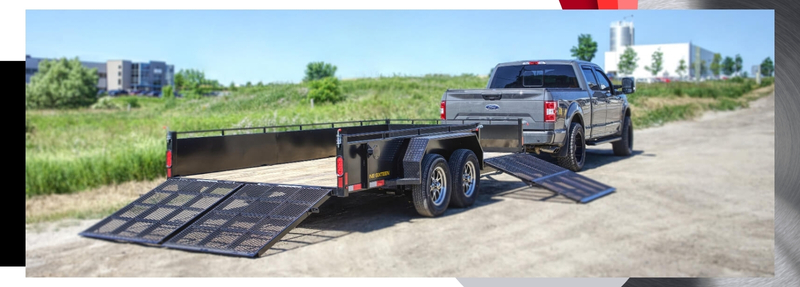
 One Sixteen tandem axle utility trailer attached to a Ford pickup truck with loading ramps extended, ideal for heavy-duty hauling in Ontario – McFarlane Trailer SalesWhen it comes to hauling heavy loads, having the right trailer can make all the difference. If you’ve struggled with single-axle trailers or felt like your hauling setup wasn’t getting the job done efficiently, it’s time to upgrade to a tandem-axle trailer. Specifically, One Sixteen tandem axle trailers are designed for those who need durability, reliability, and ease of use. These trailers take heavy-duty hauling to another level with their ability to handle larger loads, improved fuel efficiency, and enhanced maneuverability in tight spaces.At McFarlane Trailers in New Hamburg, Ontario, we’ve seen firsthand how One Sixteen tandem axle trailers can transform the way businesses and individuals transport their materials. Whether you're a contractor moving bulky equipment, a landscaper hauling heavy supplies, or a business owner with daily hauling needs, these trailers are a game-changer. Throughout this blog, we'll break down the specific advantages that make these trailers stand out. Keep reading to learn how increased payload capacity, superior stability, and smart design make them worth considering for your next trailer purchase.

Increased Payload Capacity for Heavy Loads

When hauling heavy cargo, having extra capacity is a must. That’s where tandem axle trailers truly shine. Here’s how they help with heavier loads:
  • More Even Weight Distribution: With two axles instead of one, the weight gets spread out more evenly across the trailer. This means heavier items like construction equipment or large quantities of materials can be hauled without straining one specific section of the trailer. Tandem axles handle all that weight much better compared to single-axle.
  • Higher Gross Vehicle Weight Rating (GVWR): What does this mean for you? It simply means you can safely haul more weight. A high GVWR is especially useful when you need to transport big, heavy items regularly.
  • Ideal for Professionals: Whether you run a landscaping business or you're hauling supplies for a big project, extra payload capacity means more trips saved. Contractors, farmers, and anyone with heavy loads benefit hugely from the extra strength these trailers provide.
With the increased payload capacity for heavy loads, you’ll get the most out of every trip, and you won’t have to worry about overloading your trailer. It’s a smart and efficient choice for anyone tackling big jobs.

Improved Stability for Safer Hauling

Safety is always a top concern on the road, and that’s where One Sixteen tandem axle trailers offer a huge advantage. These provide improved stability, keeping your cargo secure no matter where you’re driving.
  • Four Wheels Mean Better Balance: With two axles supporting four wheels, balance is vastly improved. This design reduces the chance of tipping or swaying even when hauling heavy loads at high speeds.
  • Less Risk of Trailer Sway: Sway is less likely with tandem axles, which is a big plus if you’re moving across highways or rough roads. This stability makes every haul safer for you and everyone else on the road.
  • Handles Difficult Terrain Better: Single-axle can struggle on uneven or bumpy roads, but tandem-axle excels here. Their stability ensures smooth performance even on challenging surfaces.
By reducing trouble spots like swaying and poor balance, these trailers make hauling much safer. Knowing your cargo is stable allows you to focus on getting the job done without any added stress.

Enhanced Maneuverability in Tight Spaces

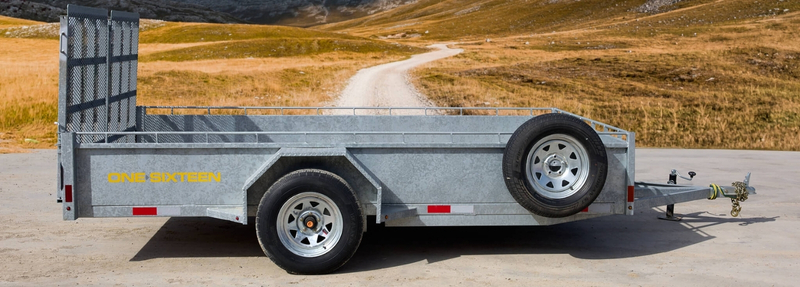
Working in small or crowded spaces can feel like a headache when you're using the wrong trailer. But that’s where tandem axle step up—they’re built to handle tight areas and make your job easier.Thanks to their smart design, these trailers distribute weight more evenly. This makes turning, even in narrow spots, much smoother. Reversing isn’t as stressful either because the balanced weight helps you stay in control.If you’re dealing with steep inclines or sharp corners, these trailers give you an edge. They’re steady and allow for better precision, which is exactly what you need when you’re on a busy construction site or navigating a rugged farm road.These trailers also shine in crowded or tricky locations. Picture a job site where space is limited or uneven terrain is unavoidable—tandem axle trailers can handle it all with ease.Simply put, having a trailer you can rely on makes working in tough spaces a breeze. Tandem axle trailers like those from One Sixteen are perfect for making your hauling jobs simpler and way more efficient.Galvanized One Sixteen tandem axle utility trailer with spare tire, designed for heavy-duty hauling, parked on a rural road – McFarlane Trailer Sales Ontario

Built for Durability and Long-Term Use

If you deal with heavy loads every day, you need equipment that can handle the pressure. That’s why durability is a must for any trailer, and One Sixteen tandem axle trailers are built to go the distance.First off, these trailers are made with tough, heavy-duty steel frames. They’re designed to take on the wear and tear of daily hauling without breaking down. You can count on them to stand strong even after years of hard use.What’s more, the finishes on these trailers—whether galvanized or powder-coated—are there to fight off rust and corrosion. Rain, snow, or shine, these trailers stay in great shape without the hassle of constant touch-ups or repairs.And when it comes to the floor and axles, you’ve got reinforcement that can handle the heaviest of loads. Whether you’re moving equipment or bulk materials, these features make sure your trailer is always dependable.Choosing a One Sixteen tandem axle isn’t just about solving a short-term need—it’s about investing in equipment built to last. Reliable, strong, and resistant to the elements, these trailers are ready to meet the demands of your toughest jobs.

Improved Fuel Efficiency and Reduced Wear

Fuel costs aren’t usually the first thing you think about when buying a trailer, but they can make a big difference. That’s where tandem axle trailers surprise you—they actually help save money over time.One key reason is that they’re easier on your towing vehicle. The weight is spread out more evenly, so your truck doesn’t have to work as hard. This not only makes hauling feel smoother but also improves your fuel efficiency, saving you money at the pump.Plus, tandem axle trailers allow you to carry more without overloading. Unlike single axle trailers that might guzzle fuel when packed too full, these trailers keep things efficient and cost-effective trip after trip.Another big bonus? Less wear and tear. Tires, brakes, and suspensions hold up better because the weight is distributed smarter. That means fewer trips to the mechanic and more money staying in your pocket.With better fuel use and less strain on your equipment, tandem axle are a smart investment for frequent haulers. They help you get the job done while keeping operating costs down—it’s a win-win all around!

Versatility for Various Hauling Needs

Not sure if a tandem axle is right for you? Its versatility might just convince you. These trailers are built to fit into so many different jobs and industries, making them a smart choice for all kinds of hauling tasks.One of the best parts about these trailers is the variety of sizes and styles available. Need something big for heavy construction equipment? There’s a trailer for that. Want something more compact for landscaping tools? They’ve got you covered. It’s all about finding the one that matches your needs.When it comes to what you can haul, the sky’s the limit. These trailers are tough enough to handle everything from large machinery to vehicles and even bulky materials. Wherever the job takes you, tandem axle trailers are ready for it.And if you want to make your trailer even more useful, there are plenty of handy add-ons. Options like ramps, tie-downs, and brakes take functionality to the next level. You can customize it to perfectly fit your work.No matter the task, tandem axle gives you the flexibility you’re looking for. With so many options and features, it’s easy to find the right one to tackle whatever hauling job comes your way.

Hit the Road With the Best in Hauling

When it comes down to it, One Sixteen tandem axle makes heavy-duty hauling safer, easier, and more efficient. They offer some of the best features out there, including enhanced maneuverability in tight spaces, increased payload capacity for heavy loads, and improved fuel efficiency and stability. Whether you’re a contractor, business owner, or someone with major hauling needs, these trailers are designed to deliver.At McFarlane Trailers in New Hamburg, Ontario, we take pride in offering some of the best trailer solutions for both professionals and outdoor enthusiasts. Our team is here to help you find the perfect trailer designed to meet your hauling needs and exceed your expectations. Interested in learning more? Contact us today to explore the options and get advice tailored to you.Don’t wait to upgrade your hauling game—visit us at McFarlane Trailer Sales and see how a One Sixteen tandem axle trailer can transform the way you work. With better stability, durability, and capacity, these trailers aren’t just a purchase—they’re an investment in efficiency and success.