 Choosing between enclosed and open trailers can feel overwhelming, but it doesn’t have to be. Whether you’re hauling tools, furniture, or outdoor gear—or need something reliable for your small business—the right trailer should fit your work, budget, and daily routine perfectly.Enclosed trailers offer extra protection, while open trailers make loading easier. Factors like price, weather, storage, and safety all play a role in your decision. Both options have their pros and cons, and the key is understanding which one truly suits your needs.This guide gives you clear, no-pressure insights to help you decide with confidence. By the end, you’ll know what features matter most and which trailer is the best fit for your work style.
How Each Option Works in Everyday Life
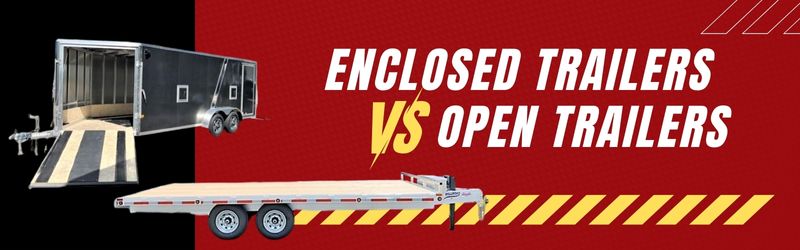
The biggest question to ask when comparing enclosed vs open trailers is simple: What do you haul, and how do you want to protect it?Your answer shapes everything.An open design works well when you need fast loading, light weight, or lower cost. An enclosed design makes sense when you want security, weather protection, or a cleaner space for tools and equipment. Each type offers real strengths, and understanding them helps you pick the best trailer type in Ontario for your daily tasks.Some people use open models for work because they load large items like lumber, pipes, or machines. Others choose enclosed designs because they need a safe, locked space for expensive tools or gear. This choice depends on how you want to use it, how far you travel, and how often you load and unload.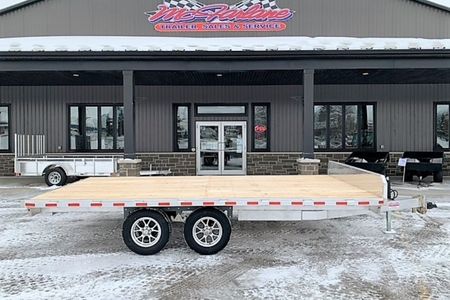
Why Open Models Fit So Many Situations
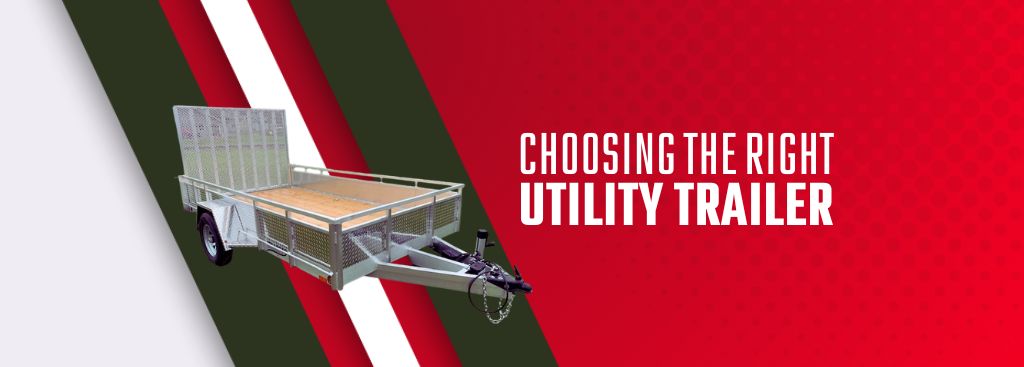
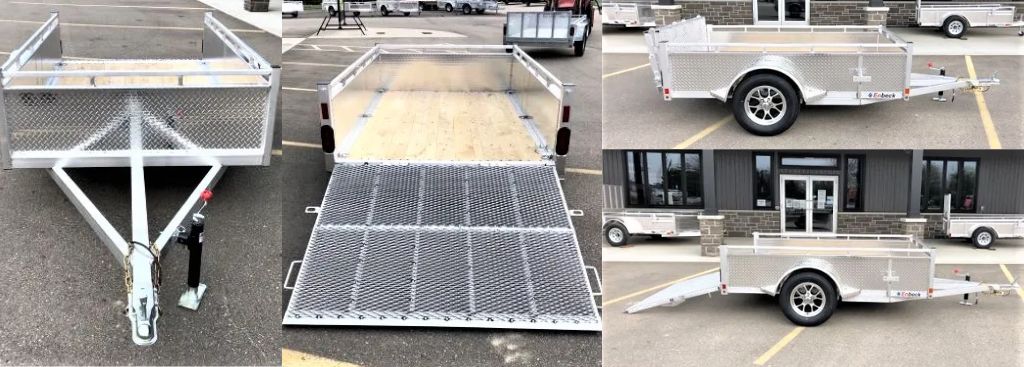
Open designs are popular because they make hauling simple. They are easier to move, easier to load, and often easier to afford. If you want a smooth experience and you don’t haul weather-sensitive items, this may be the right path for you.What makes open designs useful?You get fast access to your load. You don’t deal with doors, locks, or tight spaces. You can lift or place things right from the side. This makes it great for people who haul large or odd shapes that don’t fit cleanly inside a box.Loading is easier for many items, such as:- ATVs, snowmobiles, or outdoor gear. These items handle weather and dirt well, so you don’t need full coverage.
- Lumber, sheet material, or building supplies. These pieces are often long, tall, or wide, and an open design makes handling simple.
- Yard equipment like mowers or leaf vacuums. You may load and unload them many times a day. Open access helps save time.
Why Enclosed Models Offer Extra Protection
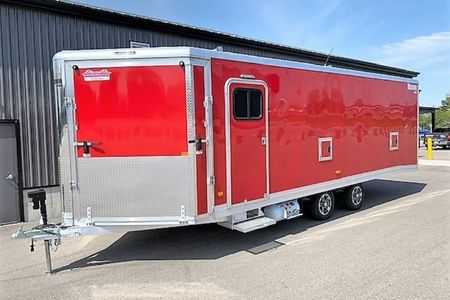
You may want to keep your tools or gear safe from weather, theft, and road debris. If that’s the case, enclosed models solve many problems before they happen. They also work as secure storage spaces when you’re off the road.Why do enclosed designs work well? You get full protection from rain, snow, wind, dust, and salt. This matters in Canada, where weather changes fast and road spray is common. If you haul things that cannot get wet or dirty, this helps protect your investment.People who choose enclosed models often haul:- Valuable tools or job supplies. You need a safe space that locks when you leave the job site or park overnight.
- Electronics or sensitive machines. Weather, dust, and moisture can cause real damage.
- Furniture, décor, or personal goods. These items move cleaner and safer inside an enclosed space.
Thinking About Your Daily Routine
You want your choice to match your habits. That means thinking about how you load your items, how often you haul, and how far you travel.Ask yourself:- Do I need fast loading every day?
- Does my cargo need to stay dry and hidden?
- Do I move things that stick out or don’t stack well?
- Will I store tools inside full-time?
- Do I need something I can lock?
Cost and Value Over Time
Price matters no matter what you haul. Open designs usually cost less at first, which helps when you're working with a tight budget. They also have fewer parts to maintain.Enclosed designs cost more upfront but give you extra value in the protections they offer. They often keep items safe from damage, which can save money over time. You might spend more at first but lose less from damage, rust, or theft.Think about what you want long-term. It’s not just about saving money today. It’s about keeping your tools and gear safe for years.How Each Option Handles Ontario Weather
Ontario weather changes fast. Some days are mild. Others bring heavy rain, snow, or salt-covered roads. When picking the best trailer type in Ontario, think about the weather you face most often.Open designs handle wind and rain well when you haul sturdy items. They don’t trap moisture, which helps keep rust away. They also stay lighter in winter because snow doesn’t build up inside.Enclosed designs shine in harsh weather. They protect your load from freezing temperatures, heavy rain, blowing dust, and debris. They also keep tools locked away when you stop at gas stations or stores during bad weather.The weather in your region plays a big part in this decision, especially if you work year-round.Who Each Option Works Best For
You want something that supports your work, not something that slows you down. Here is a simple look at who tends to choose each type.Open models work best when:- You haul big or odd-shaped items
- You want lower cost
- You load and unload often
- You want better fuel efficiency
- You move durable items that don’t need protection
- You haul tools or expensive equipment
- You want full weather protection
- You need a secure place to store gear
- You want a clean, organized space inside
- You care about privacy or branding